

Main Event: The Perseid Meteor Shower
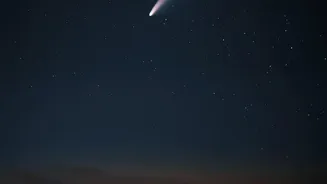
The highlight of August is undoubtedly the Perseid meteor shower, one of the best and brightest of the year. Caused by debris left behind by the Comet Swift-Tuttle, this shower is famous for its fast, bright meteors and fireballs. In 2026, the peak occurs
on the night of August 12-13. The best part? This year's peak coincides with the new moon on August 12, creating ideal, dark-sky conditions for viewing. Under a clear, dark sky away from city lights, you could see between 50 and 75 meteors per hour. For the best show, find a comfortable spot after midnight and give your eyes about 30 minutes to adjust to the darkness. Look towards the constellation Perseus, but meteors can appear anywhere in the sky.
A Parade of Planets
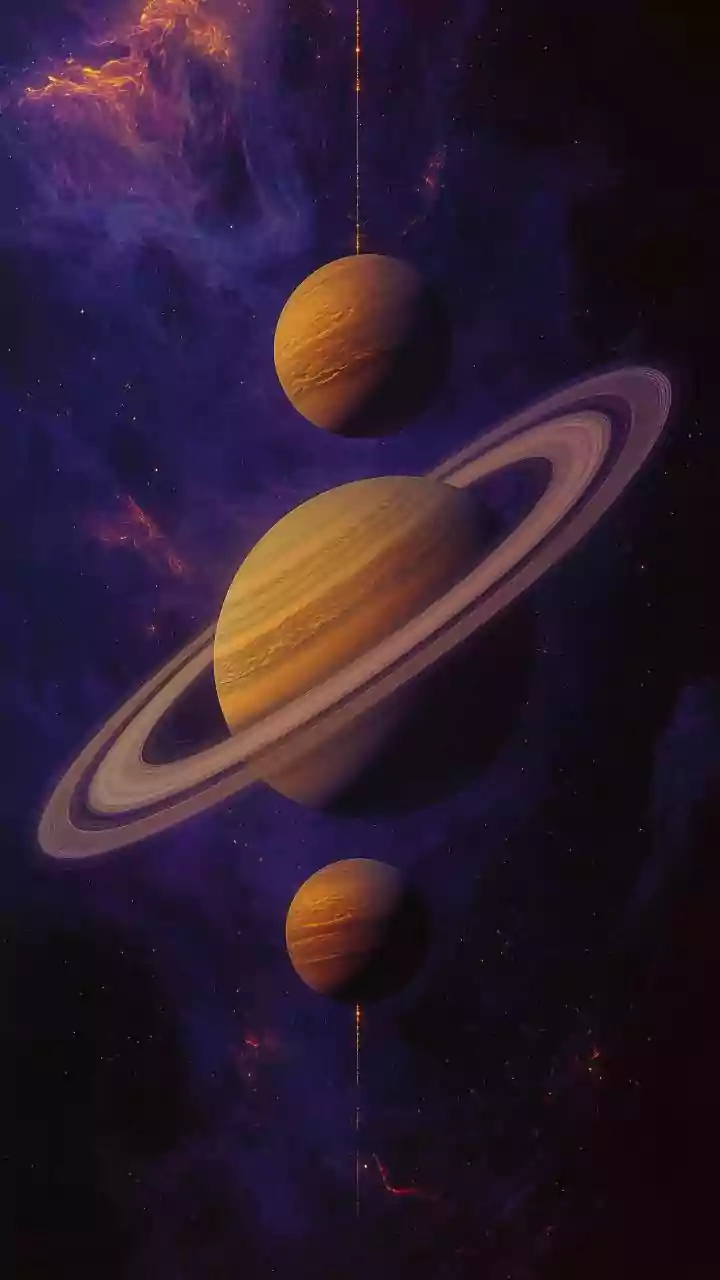
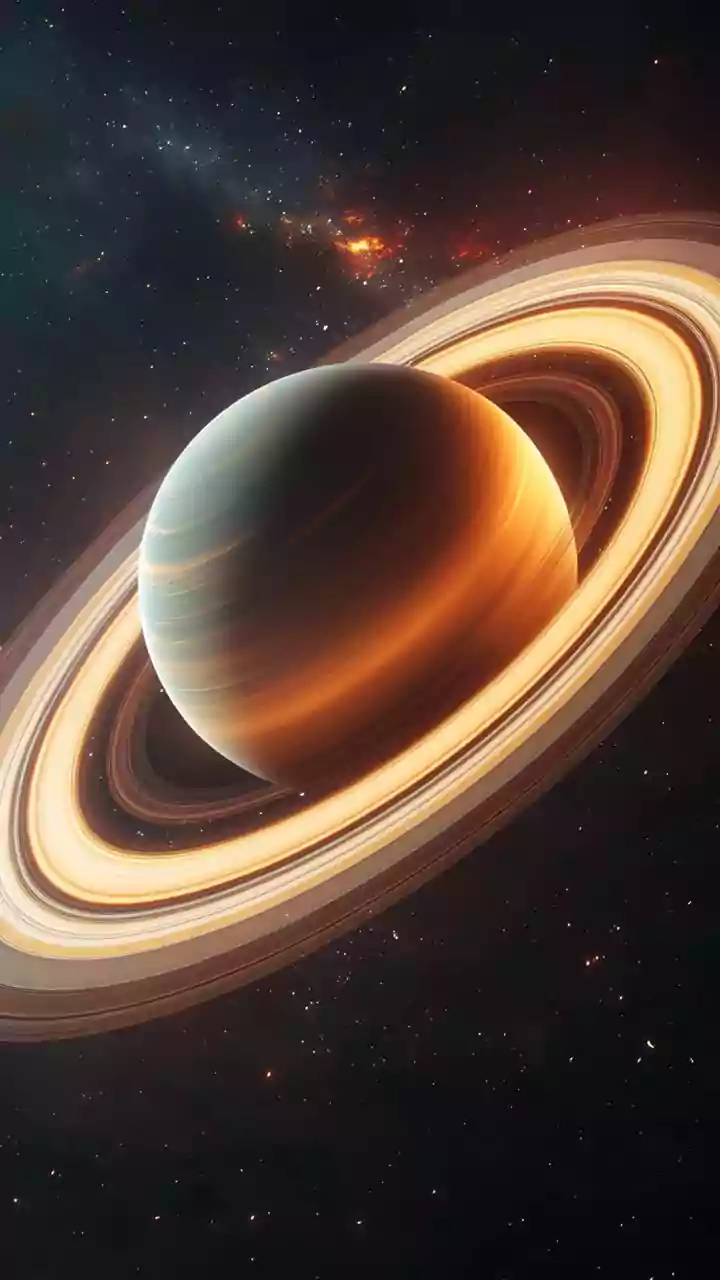
August 2026 is a fantastic month for planet-watchers. Several planets will be visible to the naked eye throughout the month. Super-bright Venus will dominate the western sky in the early evening. Yellowish Saturn will rise in the east in the evening, becoming a prominent feature of the pre-dawn sky. Reddish Mars can be spotted in the east before dawn. A special treat occurs around August 11-12, with a pre-dawn alignment of six planets, though only Mercury, Jupiter, Mars, and Saturn will be easily visible without a telescope. On August 9, you can see the Moon appear close to Mars before sunrise, creating a beautiful pairing.
Mark Your Lunar Calendar
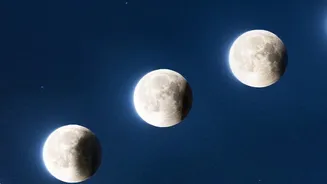
The Moon's phase plays a crucial role in stargazing. The New Moon on August 12 provides the darkest skies, making it perfect for the Perseids. This New Moon is also when a total solar eclipse will occur, though it won't be visible from India. As the month progresses, the waxing crescent moon will offer beautiful sights. For instance, on August 15, the crescent Moon will appear near the brilliant Venus in the west after sunset. The month closes with a Full Moon on August 28, which is sometimes called the Sturgeon Moon. This full moon will coincide with a partial lunar eclipse, however, this event will also not be visible from India.
Your Stargazing Toolkit
You don't need expensive equipment to enjoy the night sky. The most important tool is a dark location, far from the glare of city lights. Find an open area like a park, a rooftop, or a field with a clear view of the sky. Give your eyes at least 20-30 minutes to fully adapt to the darkness—avoid looking at your phone screen. If you need a light, use a red torch to preserve your night vision. Get comfortable on a blanket or reclining chair. While your eyes are all you need for meteor showers, a pair of binoculars can enhance your view of the planets and the Moon's craters. There are also many stargazing apps available that can help you identify constellations and planets in real-time.