




Following the October Sun
As the seasons shift, so does the sun's path. The intense, overhead sun of summer gives way to a gentler, more angled light. Observe your balcony to see how the sunlight patterns have changed. Areas that were once in deep shade might now get a few hours
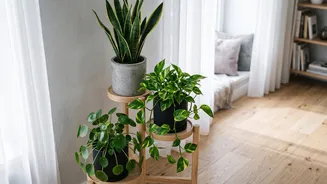
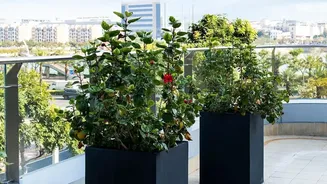
of precious morning sun, while previously sun-scorched spots may be cooler. This is the time to rearrange your pots. Sun-loving plants like hibiscus, bougainvillea, and most flowering annuals should be moved to the brightest spots to maximize the 4-6 hours of light they need. For balconies that have lost direct sun, consider rotating pots every few days to ensure even growth. Plants that prefer indirect light, such as ferns and many indoor palms, will be much happier now.
The Art of Post-Monsoon Watering
With cooler temperatures and less intense sunlight, your plants' water needs will decrease significantly compared to the summer months. The biggest mistake in October is to continue with a summer watering schedule, which can lead to overwatering and root rot. The golden rule is to check the soil before you water. Poke your finger about an inch or two into the soil; if it feels dry at that depth, it's time to water. If it’s still damp from the previous watering or recent rains, wait another day. Morning is the best time to water, as it allows the leaves to dry before nightfall, reducing the risk of fungal diseases. For most balcony pots, watering every few days is usually sufficient in October, but always let the soil be your guide.
Why Drainage Is Everything
After months of heavy monsoon rain, soil in pots can become compacted, and drainage holes can get clogged. Good drainage is crucial to prevent waterlogging, which suffocates roots. Now is the perfect time for a drainage check-up. Gently tilt your pots to ensure water can flow out freely. If a pot seems to hold water for too long, its drainage hole might be blocked. You can use a small stick to gently clear any obstruction. For future potting, always use a well-draining potting mix—never heavy garden soil, which compacts easily. A simple but effective trick is to place your pots on small bricks or 'pot feet' to elevate them slightly, allowing excess water to escape and air to circulate underneath.
October's Planting and Care List
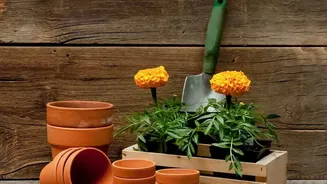
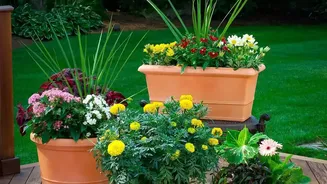
October is the ideal time to sow seeds for winter flowers and vegetables. The soil is still warm enough for germination, and the upcoming cool weather will help these plants flourish. Consider planting popular winter flowers like marigolds, petunias, pansies, and calendula. It's also the perfect season to start a small kitchen garden with leafy greens like spinach (palak), coriander (dhania), and fenugreek (methi), or root vegetables like carrots. For your existing plants, this is a good time to prune away any dead or yellowing leaves left over from the monsoon. A light feed with compost or a balanced liquid fertilizer will give them a boost for the new growing season.
Keeping Pests in Check
The change in season can sometimes bring out pests like aphids and spider mites, which thrive in conditions that are not too hot or cold. Regularly inspect your plants, especially the undersides of leaves, for any signs of infestation. Many common pests can be managed with simple, organic solutions. A spray of neem oil solution or a gentle wash with insecticidal soap can effectively control most common balcony pests. Encouraging beneficial insects by planting flowers like marigolds can also help create a natural defence system for your garden. Good air circulation is key, so avoid overcrowding your plants.