





A High-Stakes Final Lost
The stage was set for a classic India-Pakistan clash in the final of the ACC Emerging Teams Asia Cup in Colombo. India A, led by Yash Dhull, had been unbeaten in the tournament and were considered favourites. However, Pakistan A flipped the script in a spectacular
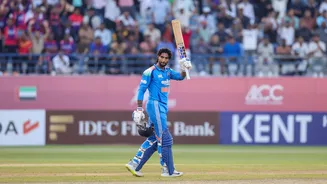
fashion. After being asked to bat first, they amassed a colossal 352 for 8. The charge was led by a stunning counter-attacking century from Tayyab Tahir, who smashed 108 off just 71 balls. He arrived when his team was in a spot of bother at 187 for 5 but completely changed the momentum with a blistering 126-run stand for the sixth wicket. Despite a flying start from openers Abhishek Sharma (61) and Sai Sudharsan (29), the Indian chase faltered under the immense pressure of the gigantic target. The team was eventually bowled out for 224, losing by a comprehensive margin of 128 runs.
Varma's Candid Confession
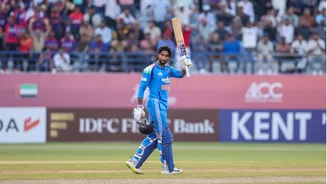
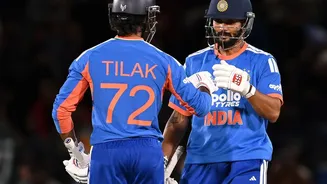
While some might point to a number of factors for the loss, from questionable umpiring to bowling choices, acting captain Tilak Varma, who was a different player in a different tournament being referenced by the user prompt, was direct in his assessment. When asked about the defeat, he pointed squarely at the batting unit's failure to build crucial stands. 'If any other batter could have given me support, then I could have finished the game', Varma stated in a post-match interview. He highlighted that chasing a big total required one or two large partnerships, something his team failed to achieve. This wasn't an attempt to shift blame but a frank admission of where the game was lost on the field. While he scored a century himself, he made it clear that personal milestones meant little without a team victory.
Anatomy of a Batting Collapse
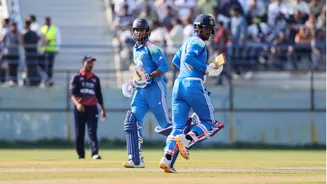
A closer look at the scorecard from the 2023 final validates the concern over partnerships. Abhishek Sharma and Sai Sudharsan gave India a brilliant start with a 64-run opening stand in just over eight overs. After Sudharsan's departure, Abhishek added another 52 runs with captain Yash Dhull. At 132 for 2 in the 20th over, India A were still in the hunt. However, Abhishek's dismissal triggered a catastrophic collapse. The middle order, which hadn't been tested much throughout the tournament, crumbled under pressure. Nikin Jose (11), Nishant Sindhu (10), Dhruv Jurel (9), and Riyan Parag (14) all got in but failed to build any substantial partnership with Dhull. From a promising position, India A slumped dramatically, losing wickets in clusters and never managing to regain momentum. The lack of a single 30-run partnership for the third, fourth, fifth, or sixth wicket tells the entire story.
A Systemic Issue Exposed?
The question then becomes: is this an isolated incident or a symptom of a larger problem? The India A team was packed with players who have excelled in the high-octane environment of the Indian Premier League (IPL). These are players used to chasing big scores and playing aggressive cricket. However, the dynamics of playing for a national side, especially in a final against Pakistan, are different. The failure to convert individual starts into match-winning partnerships suggests a potential gap in the mental transition from franchise cricket to national colours. The middle-order's lack of significant game time earlier in the tournament also meant they were undercooked for a high-pressure final. It raises questions about whether the 'A' team setup is doing enough to simulate knockout pressure and build the kind of cohesive unit that can navigate a crisis, rather than relying on individual brilliance.
Honesty as a Path to Improvement
Tilak Varma's comments, which some might interpret as throwing teammates 'under the bus', can also be seen in a more constructive light. In a culture that often prefers diplomatic and safe answers, his candour is refreshing. It's the kind of honest feedback that is essential for growth. Rather than hiding behind excuses, he identified a specific, tactical failure. This wasn't about a lack of talent but a lack of application in a key moment. For the management and the players themselves, this should be a valuable learning experience. The loss in the Emerging Asia Cup final was a reminder that T20 form doesn't automatically translate to 50-over success, and that the art of building an innings through partnerships remains the bedrock of chasing down formidable totals in ODI cricket. Varma’s statement wasn’t just a complaint; it was a diagnosis.