

The New Digital Marketplace
The hunt for vintage and pre-loved clothing in India has moved from dusty street markets to the glossy, fast-paced world of social media. Instagram, in particular, has become the epicentre of this movement, hosting thousands of digital thrift stores run
by young, enterprising sellers. These platforms operate with the logic of modern e-commerce, using visually appealing posts and time-sensitive "drops" to sell curated collections of clothing. Shoppers set alarms and turn on notifications, ready to type "sold" in the comments the second a coveted piece is released, turning shopping into a thrilling, competitive sport. This digital-first approach has made thrifting more accessible and appealing to a generation that discovers trends on their phones.
More Than Just a Bargain
While affordability is certainly a draw for students and young professionals, the motivations behind modern thrifting run much deeper. For many, it's a conscious rejection of the fast-fashion industry, which is notorious for its environmental impact and labour practices. By choosing second-hand, shoppers are participating in a circular economy, reducing textile waste and giving clothes a second life. This aligns with a growing environmental consciousness among India's youth, who are increasingly seeking sustainable alternatives in all aspects of their lives. Thrifting has transformed from being seen as a necessity to becoming a badge of honour—a statement of responsible consumption.
The Quest for Individuality
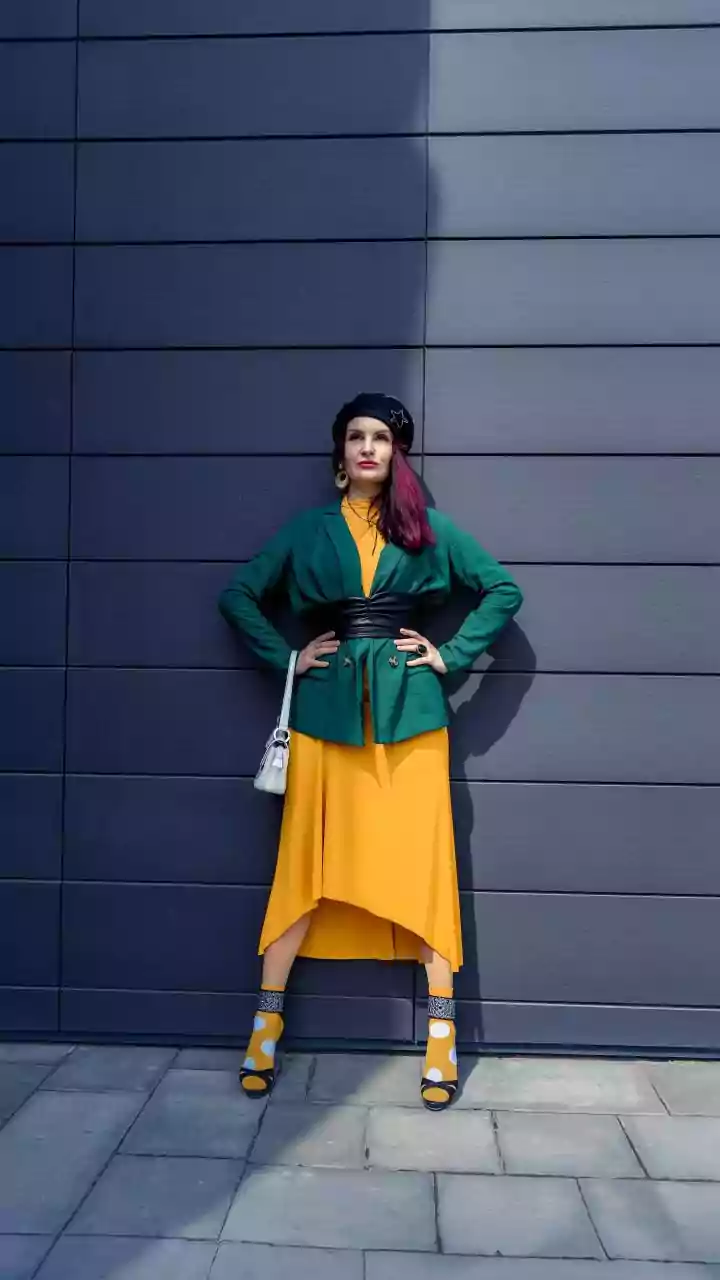
In a world where fast-fashion retailers stock the same items globally, thrifting offers an antidote: uniqueness. Urban youth are turning to pre-loved clothing in search of one-of-a-kind pieces that allow them to express their personal style and stand out from the crowd. The appeal lies in the "treasure hunt"—the excitement of discovering a rare '80s band t-shirt, a perfectly worn-in denim jacket, or a Y2K-era accessory that no one else will have. These are not just clothes; they are pieces with a history and a story, allowing the wearer to build a wardrobe that feels truly personal and curated. This desire for individuality has helped dismantle the old stigma once associated with wearing second-hand items.
Defining "Vintage" in the Indian Context
The term "vintage" in Indian thrifting is fluid and exciting. It can mean anything from '90s streetwear and oversized graphic tees to Y2K-inspired tops and cargo pants. It also includes discovering and upcycling traditional garments. Young Indians are finding creative ways to give heirloom pieces a modern twist, such as turning old saris into contemporary dresses or pairing handloom fabrics with Western silhouettes. This fusion of old and new, traditional and modern, is a hallmark of the trend. The items being sourced aren't always truly "pre-owned"; some sellers curate collections from export surplus, clearance stock, or small-batch artisans, broadening the definition of what a thrift store can offer.