




An Unusually Wet Upper Atmosphere
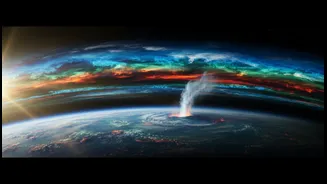
Think of the stratosphere as an atmospheric desert. It begins about 12 kilometres above Earth's surface, and it contains the crucial ozone layer that protects us from the sun's harmful radiation. Unlike the turbulent, weather-filled troposphere below
it, the stratosphere is incredibly stable and dry. Water vapour from Earth's surface generally gets trapped at a boundary called the tropopause, which acts as a cold lid, freezing out most moisture before it can ascend. However, recent scientific findings show that this barrier isn't as impenetrable as once thought. Certain powerful events can act like express elevators, punching through the tropopause and delivering huge quantities of water vapour directly into this dry realm. This is significant because water vapour, while essential for life below, acts as a powerful greenhouse gas when it reaches the stratosphere. An increase in stratospheric water can trap heat, potentially influencing global temperatures and climate patterns in ways scientists are only now beginning to understand.
How Wildfires Create Their Own Storms
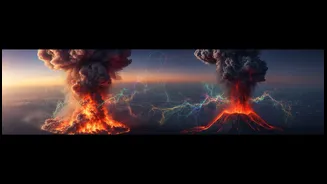
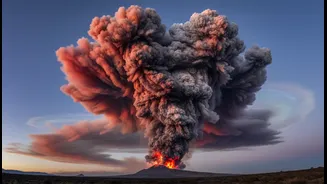
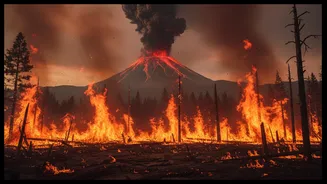
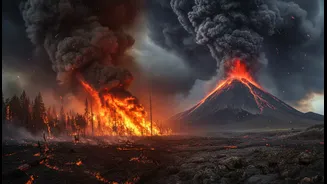
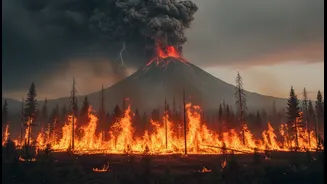
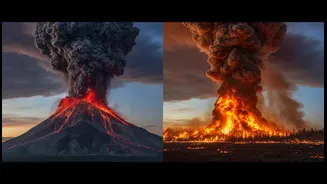
One of the key culprits is a phenomenon known as a pyrocumulonimbus cloud, or pyroCb. These are not ordinary storm clouds; they are fire-triggered thunderstorms. When a wildfire becomes intense enough, the extreme heat creates a powerful updraft, sucking smoke, ash, and moisture high into the atmosphere. This updraft is so violent that it can create its own weather system, complete with lightning. These fiery storms can act as a chimney, funnelling huge plumes of smoke and water vapour directly into the lower stratosphere. Studies following major fire events, like those in Australia and North America, have shown that these injections are not just isolated blips. The smoke particles can contribute significantly to the aerosol content of the stratosphere, and the accompanying water vapour represents a previously underappreciated pathway for moisture to reach these high altitudes. As climate change potentially increases the frequency and intensity of extreme wildfires, this process could become an even more important factor in our planet's atmospheric chemistry.
When Volcanoes Erupt Water
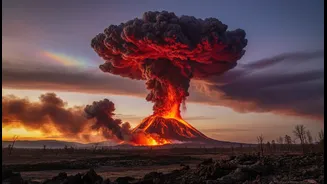
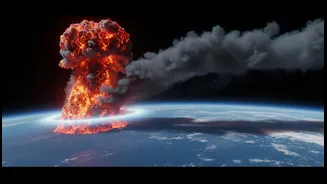
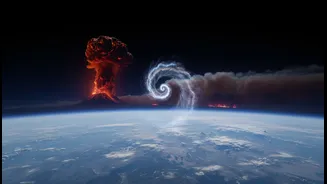
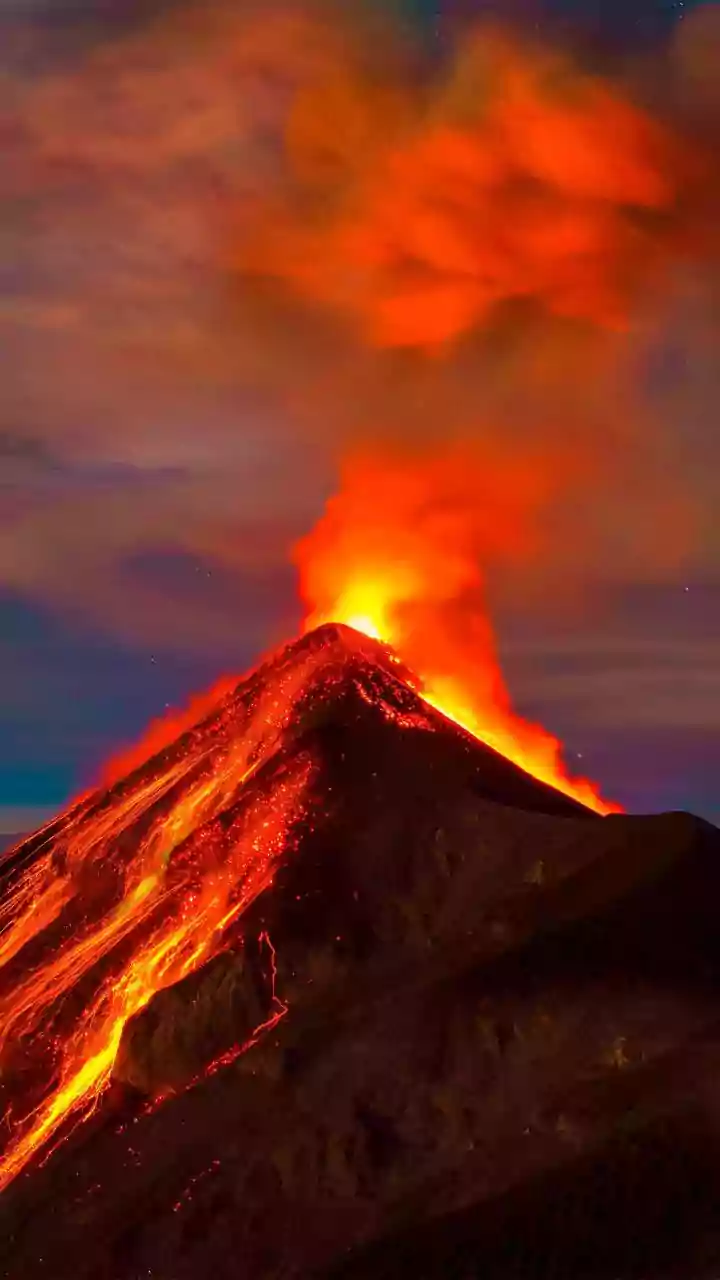
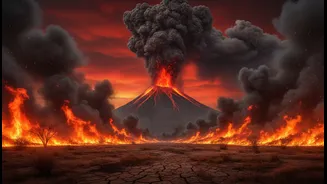
While land-based volcanoes are known for injecting cooling sulphur-based aerosols into the stratosphere, underwater eruptions present a different and dramatic scenario. The 2022 eruption of the Hunga Tonga-Hunga Ha'apai volcano provided a stunning real-world laboratory. Because the volcano's caldera was at a specific depth—not too deep, not too shallow—the eruption superheated and vaporised a colossal amount of seawater, blasting it into the atmosphere. NASA scientists estimated the event sent around 150 million metric tons of water vapour into the stratosphere, enough to fill over 58,000 Olympic-sized swimming pools. This single event increased the total amount of water in the stratosphere by about 10%. Unlike typical volcanic eruptions that have a temporary cooling effect by blocking sunlight with ash and sulphur, the massive injection of water vapour—a heat-trapping gas—from Hunga Tonga is expected to have a net warming effect on the surface that could last for several years.
The Consequences of a Moist Stratosphere
So, why does a little extra water so high up matter? First, as a greenhouse gas, stratospheric water vapour traps heat, contributing to surface warming. This creates a feedback loop: a warmer surface can lead to conditions that allow more water vapour into the stratosphere, which in turn causes more warming. Second, this additional moisture can disrupt the delicate chemical balance of the stratosphere. It can enhance chemical reactions that destroy ozone, potentially slowing the recovery of the ozone layer. The water from the Hunga Tonga eruption, for example, is believed to have contributed to a larger-than-usual Antarctic ozone hole in the years following the event. It also affects the formation and size of aerosol particles, which play a complex role in reflecting or absorbing the sun's energy. Scientists are now working to incorporate these findings into climate models to get a more accurate picture of future climate change.