





An Undersea Drama Unfolds
Deep beneath the surface of the southern Indian Ocean lies a vast underwater mountain range called the Southeast Indian Ridge. This ridge marks the boundary where two of Earth's massive tectonic plates, the Australian and Antarctic plates, are slowly
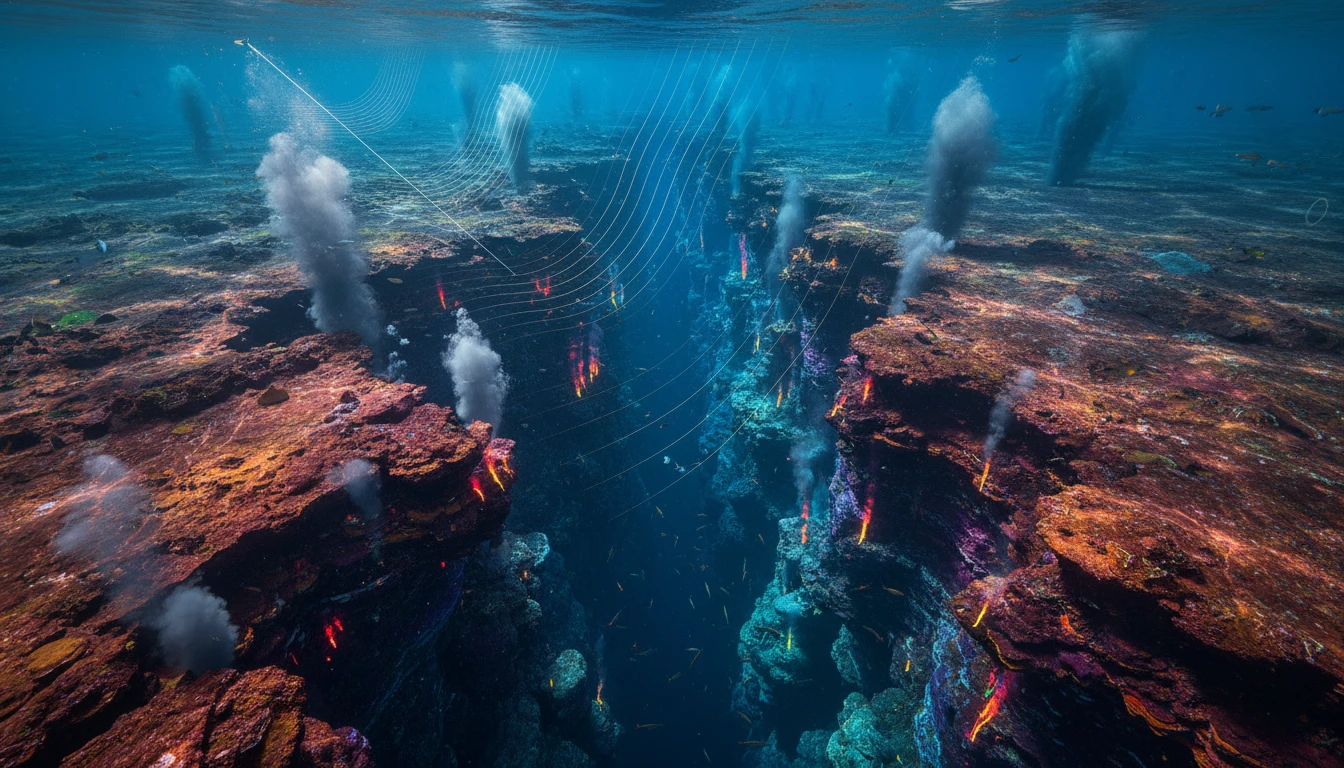
pulling apart. This process, known as seafloor spreading, is a fundamental force that shapes our planet, driving continental drift and creating new oceanic crust. For decades, scientists understood this happens, but they had never witnessed a major spreading event in real-time. That all changed in April 2024, thanks to a combination of incredible foresight and a bit of luck. An international team of researchers had deployed a sophisticated network of over 20 instruments just two months earlier, hoping to monitor the ridge's activity.
Capturing a 'Quantum' Event
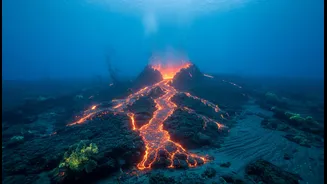
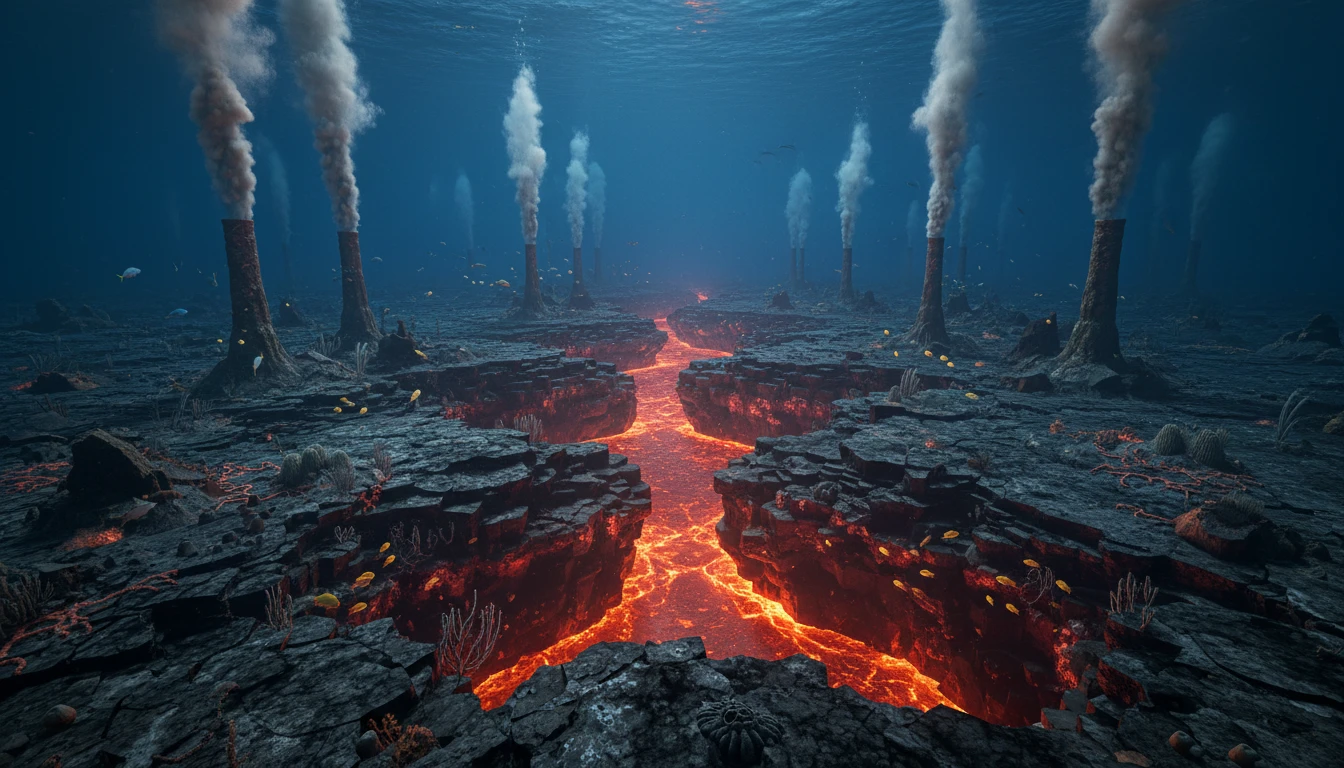
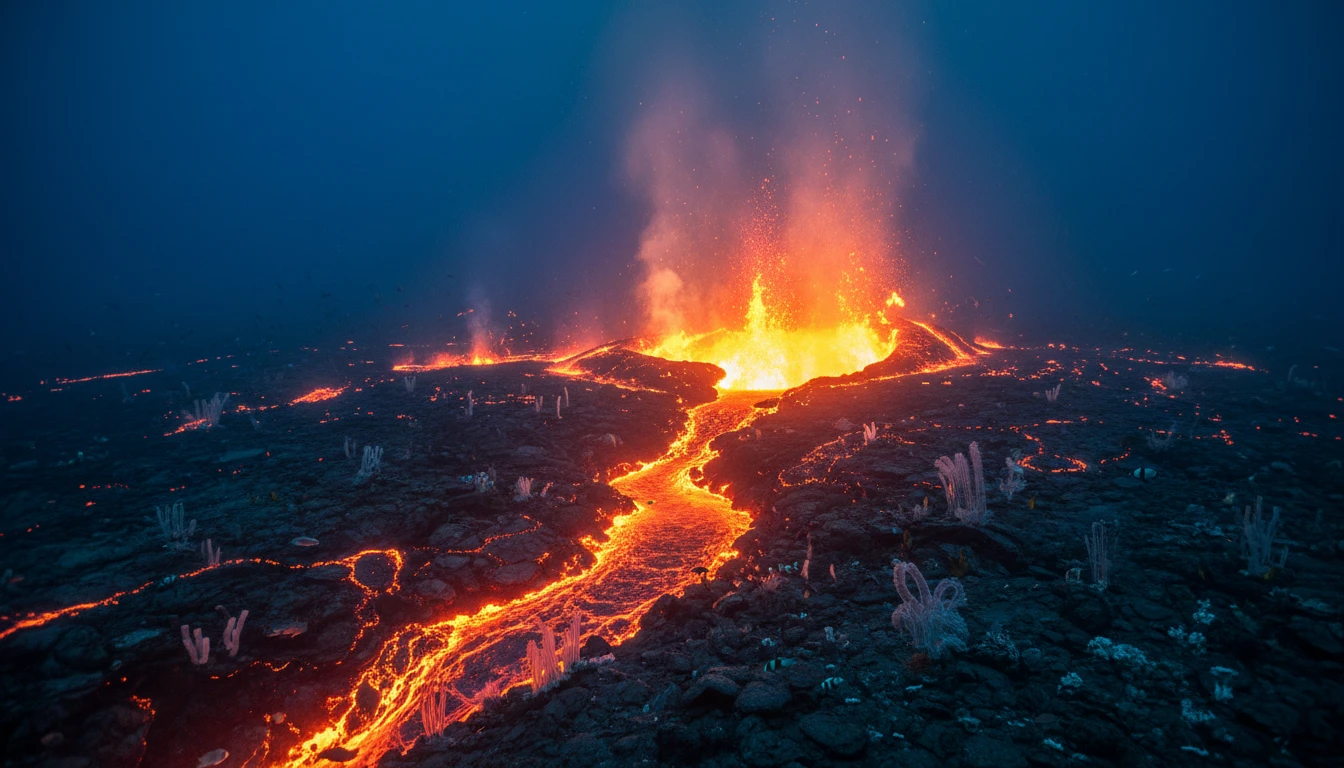
On April 26, 2024, the instruments began to record a dramatic sequence of events. A swarm of earthquakes rippled along the ridge, and within days, the seafloor tore apart. Acoustic beacons measured a horizontal separation of over two meters, while pressure gauges recorded the valley floor sinking by about four meters. This geologic drama was accompanied by a massive eruption, with an estimated 160 million cubic meters of lava pouring onto the seabed—enough to build a new piece of Earth's crust. Scientists described this not as a slow, steady crawl, but as a 'quantum' event, where decades' worth of accumulated stress is released in a matter of days. The entire episode compressed between 30 and 60 years of normal plate movement into a single, brief, and violent episode.
Why This Discovery Matters
Observing this process live for the first time is a holy grail for geologists. It provides unprecedented insight into how two-thirds of our planet's surface is formed. One of the most significant findings is the role of magma in 'silent' or aseismic slip. For years, a 'seismic deficit' has puzzled scientists: the observed movement of tectonic plates was far greater than what could be accounted for by recorded earthquakes alone. This new data shows that the movement of magma itself can cause the crust to stretch and slip without triggering tremors. This discovery helps solve that long-standing mystery and fundamentally changes our understanding of how tectonic plates move.
The Indian Context and Beyond
For India, which sits atop the Indian Plate, understanding these tectonic forces is crucial. The same process of plate movement, though different in specifics, pushed the Indian subcontinent into Asia, creating the Himalayas. While the event at the Southeast Indian Ridge poses no immediate threat, the research provides vital data for refining models of plate tectonics globally. This knowledge is essential for assessing long-term geological hazards. Furthermore, these deep-sea events have broader implications. They release heat and chemicals that influence deep-ocean currents and support unique ecosystems that thrive without sunlight. Mapping these active zones is also critical for protecting vital underwater infrastructure, like the fibre-optic cables that power our global internet and financial systems.