




The Dawn of a New Era
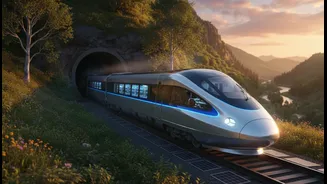
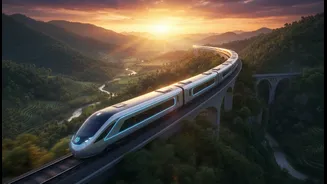
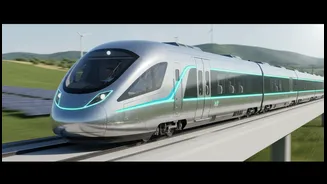
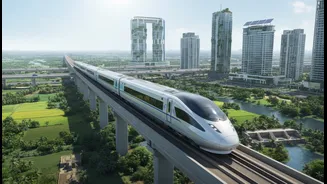
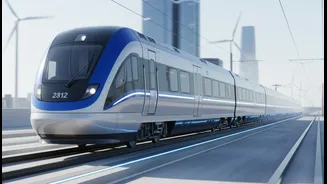
India is set to mark a major milestone in sustainable transport with the inauguration of its first hydrogen-powered train. Prime Minister Narendra Modi is expected to flag off the train from Jind in Haryana on July 17, 2026. Following the launch, the train will
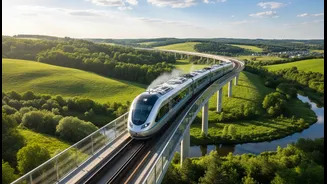
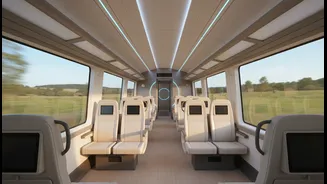
begin commercial operations on the nearly 90-kilometre Jind-Sonipat route. This 10-coach train, a retrofitted Diesel Electric Multiple Unit (DEMU), represents a significant achievement under the 'Make in India' initiative and places India in an elite group of countries, including Germany and China, that are pioneering hydrogen rail technology.
How Do Hydrogen Trains Work?
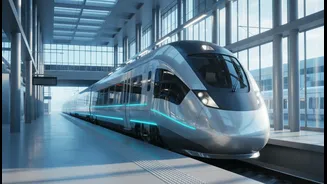
Unlike conventional diesel trains that burn fossil fuels, a hydrogen train functions like a power plant on wheels. It uses hydrogen fuel cells to generate electricity through a chemical reaction between hydrogen and oxygen. This process powers the train's motors, with the only byproduct being water vapour, resulting in zero harmful emissions. The train is equipped with a 1,200-kilowatt propulsion system and can reach speeds of up to 75 km/h in service, having been tested at speeds up to 120 km/h. After one refuelling, which will take place at a dedicated facility in Jind, the train is expected to travel approximately 250 km.
The 'Hydrogen for Heritage' Vision
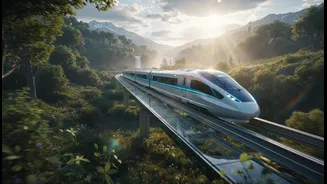
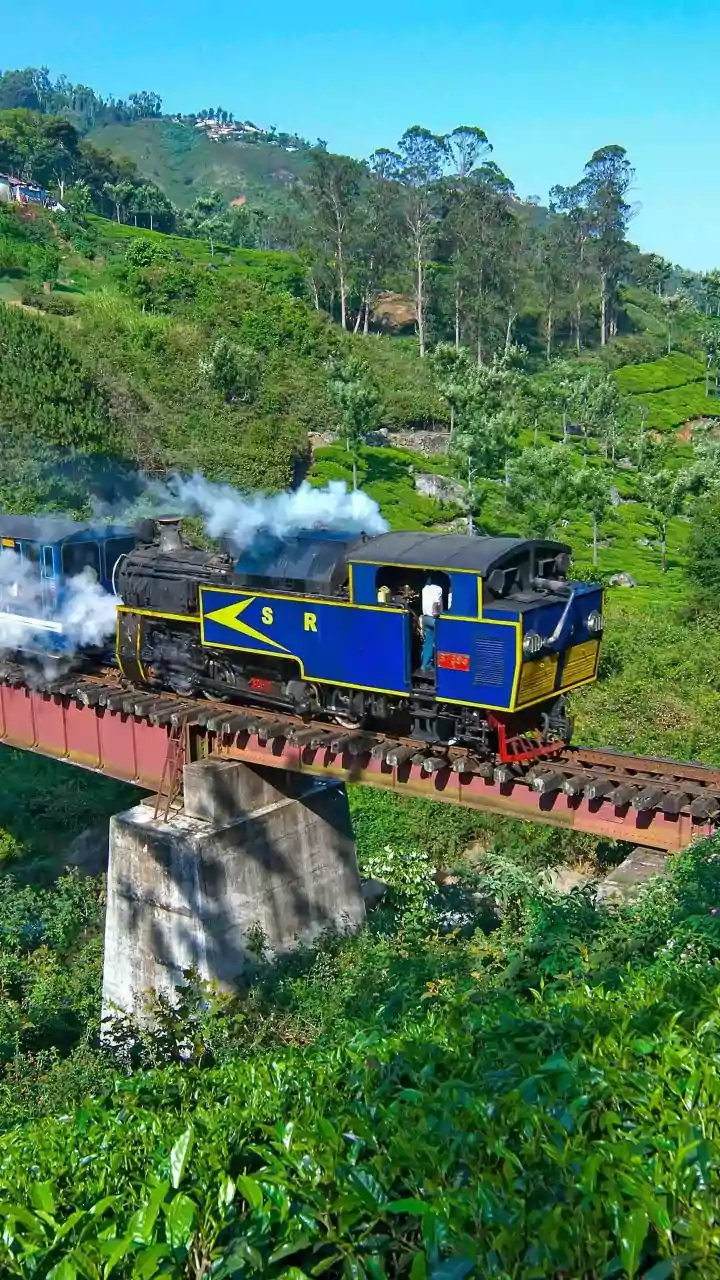
While the first route is a standard broad-gauge line, this launch is a critical test for the broader 'Hydrogen for Heritage' project. This ambitious plan aims to run 35 hydrogen trains on India's iconic and ecologically sensitive heritage and hill routes, such as the Kalka-Shimla, Darjeeling Himalayan, and Nilgiri Mountain Railways. The idea is to preserve the charm of these historic lines while eliminating the pollution from old diesel engines, offering tourists a cleaner, quieter travel experience. This pilot project's success on the Jind-Sonipat line is crucial for the future rollout on these cherished routes.
The Road Ahead: Costs and Challenges
The path to a hydrogen-powered railway is not without its challenges. The initial costs are substantial, with each retrofitted train estimated to cost around ₹80-89 crore and the necessary ground infrastructure costing another ₹70 crore per route. A major hurdle is the cost and availability of green hydrogen—hydrogen produced using renewable energy. Currently, it is significantly more expensive than diesel or electricity. Furthermore, while the train's core technology is a domestic achievement, there is still some reliance on imported components for the fuel-cell systems. Scaling up production of green hydrogen and developing a robust, nationwide refuelling infrastructure are key challenges that must be addressed for widespread adoption.
A Greener Future for Indian Railways
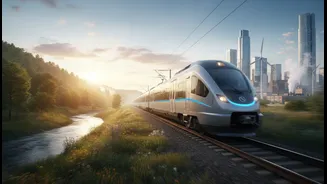
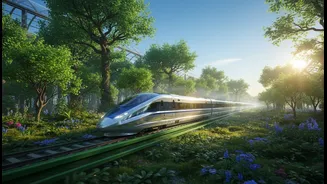
This hydrogen train project is a cornerstone of Indian Railways' ambitious goal to become a 'Net Zero Carbon Emitter' by 2030. While the organisation has already made huge strides by electrifying nearly 98% of its broad-gauge network, hydrogen offers a clean solution for routes where electrification is difficult or not cost-effective. The successful deployment of hydrogen trains, starting with the Jind-Sonipat line, will not only reduce the railway's dependence on diesel but also serve as a powerful symbol of India's commitment to tackling climate change and innovating for a sustainable future.