







The Official Forecast
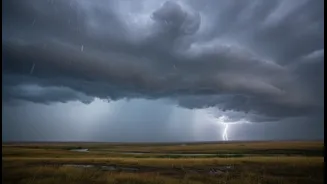
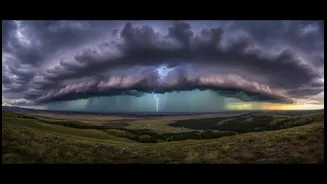
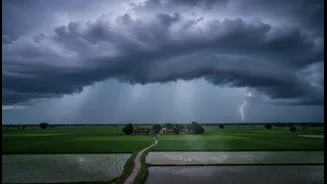
The India Meteorological Department (IMD) has issued alerts for heavy to very heavy rainfall across several parts of North India for the weekend of July 12-14, 2026. Active monsoon conditions, influenced by a combination of weather systems including a monsoon trough
and western disturbances, are fueling this intense spell. The forecast indicates widespread rainfall, thunderstorms, and gusty winds, with the most severe conditions expected in the Himalayan states and adjoining plains. Officials have warned that this weather pattern is likely to persist for the next few days.
High-Risk Zones for Travellers
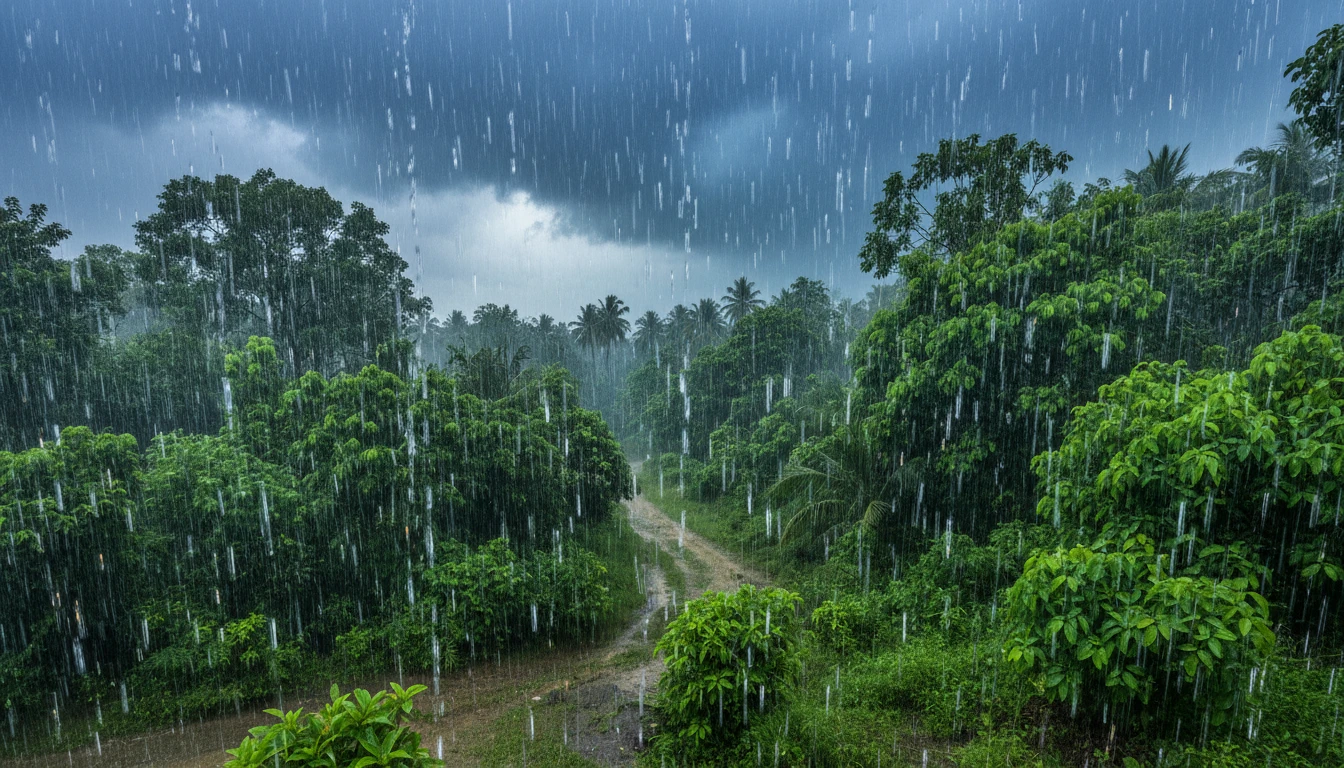
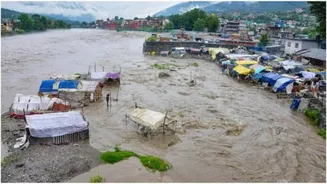
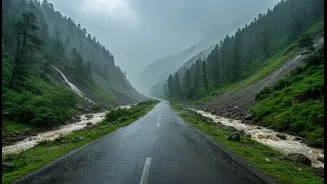
The hilly states of Uttarakhand and Himachal Pradesh are on high alert. These popular tourist destinations are particularly vulnerable to landslides, flash floods, and road blockages during heavy downpours. In recent days, heavy rains have already caused significant disruptions, with dozens of roads, including national highways leading to pilgrimage sites like Yamunotri, being shut down. Punjab, Haryana, Chandigarh, and parts of Uttar Pradesh are also expected to receive heavy rainfall, leading to potential waterlogging in low-lying urban areas and traffic snarls on major highways. Even Delhi-NCR is under a yellow alert for heavy showers, which could impact local and outbound travel.
Potential Dangers on the Road
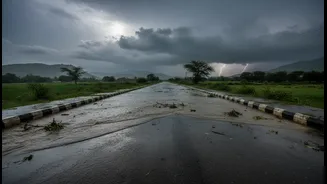
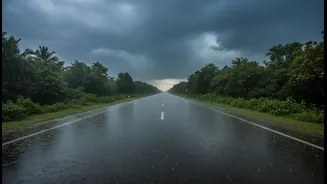
Travelling during this period carries significant risks. The primary concerns in mountainous regions are landslides and flash floods, which can occur with little warning. Heavy rain drastically reduces visibility and makes roads slippery, increasing the chance of accidents. Waterlogged underpasses and flooded roads can trap vehicles and cause long traffic jams, turning a short trip into a lengthy ordeal. Authorities have specifically warned tourists and pilgrims to exercise extreme caution, check local conditions before travelling, and be prepared for long delays.
Official Advice: Reconsider and Stay Safe
Government agencies and local authorities are advising people to reconsider non-essential travel, especially to hilly areas, until the weather improves. For those who must travel, it is crucial to stay updated with the latest IMD alerts and local traffic advisories. Avoid driving at night in the hills, do not stop near landslide-prone zones, and ensure your vehicle is in good condition with a full tank of fuel. It's also wise to inform family or friends of your travel itinerary and carry an emergency kit with essentials like dry food, water, a first-aid kit, and power banks.
Are There Safer Alternatives?
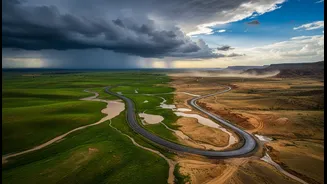
If your heart is set on a getaway, consider destinations less affected by this weather pattern. While North India's hills are risky, locations in Rajasthan or parts of Madhya Pradesh might offer a better experience, where the monsoon transforms the arid landscape into a lush panorama. Alternatively, exploring local attractions within your city that come alive during the monsoon, such as parks and historical monuments, can be a safer and equally enjoyable option. For those connecting between major cities like Delhi, Agra, or Chandigarh, train travel, particularly on services like the Vande Bharat Express, could be a more reliable alternative to braving the rain-soaked highways.