






Tyres: Your Only Grip on Reality
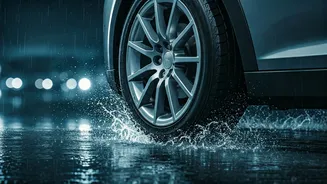
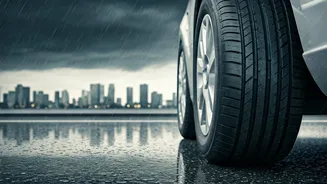
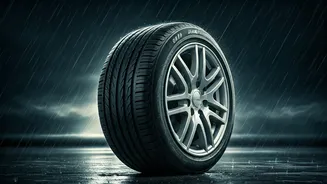
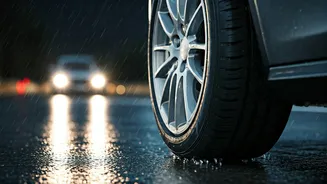
On a wet road, your tyres are the single most critical safety component. Water on the road surface acts as a lubricant, drastically reducing the friction your car needs to steer and stop. The deep grooves in your tyres, known as treads, are designed to channel
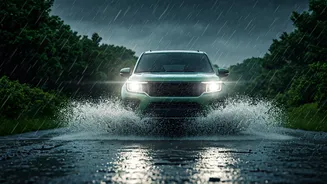
this water away, allowing the rubber to maintain contact with the asphalt. When tyres are worn, these channels are too shallow to clear the water effectively. This can lead to a dangerous phenomenon called aquaplaning, where the tyre loses contact with the road entirely and skims on the water's surface, resulting in a complete loss of control. Before the monsoon intensifies, check your tyre tread depth; a minimum of 3mm is advisable for wet conditions. Also, ensure your tyres, including the spare, are inflated to the manufacturer's recommended pressure, as incorrect pressure can affect handling and braking.
Brakes: Stopping Power When It Matters Most
Braking distance on a wet road can be double or even triple that on a dry one. The layer of water reduces the grip your tyres have, meaning the braking system has to work much harder to slow the vehicle down. If your brake pads are worn or the brake fluid is old, this problem is dangerously magnified. Worn brake pads take longer to create the necessary friction, while old, contaminated brake fluid can lead to a 'spongy' or unresponsive pedal. Before the season gets underway, have your brake pads, discs, and fluid inspected by a professional. Listen for any squealing or grinding noises when you brake, as these are clear warning signs that your braking system needs immediate attention.
Wipers and Windscreen: Your Window to Safety
If you can't see the road, you can't drive safely. It's a simple truth that becomes critical during a downpour. Wiper blades are made of rubber, which degrades and hardens under the intense summer sun. By the time the monsoon arrives, blades that seemed fine a few months ago may now just smear water across the windscreen instead of clearing it, severely impairing visibility. If your wipers leave streaks, make noise, or skip across the glass, they need to be replaced immediately. It's a small, inexpensive fix that makes a world of difference. Also, ensure your windshield washer fluid is topped up with a proper cleaning solution, not just water, to help clear oily grime thrown up from the road.
Lights and Electricals: See and Be Seen
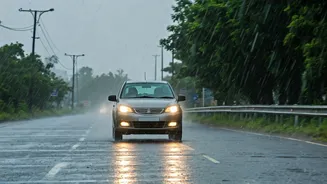
In heavy rain and overcast conditions, visibility drops dramatically for everyone. Your vehicle's lights are not just for you to see the road, but for other drivers to see you. Walk around your car and ensure all lights are functioning correctly: headlights (both low and high beam), tail lights, brake lights, and indicators. Clean the lenses to ensure they aren't covered in a layer of grime that dims their brightness. The monsoon's high humidity and potential for water ingress can also wreak havoc on a car's electrical systems. A weak battery can fail under the increased load of running wipers, lights, and the defogger simultaneously. Check for any corrosion on the battery terminals and make sure connections are secure.