








The Unpredictable Skies: Flight & Train Delays
The most common and immediate impact of heavy monsoon rains is on air and rail travel. [6] Heavy rainfall, low visibility, and strong winds can lead to significant flight delays, last-minute cancellations, and diversions. [4, 13, 14] As seen with recent
disruptions in Mumbai, a single night of intense rain can flood runways and disrupt train services, leaving passengers stranded. [4, 6] Airlines often revise their schedules during this season, but the weather remains unpredictable. [13] A backup plan isn't just about having an alternative route; it's about building flexibility into your itinerary. This could mean booking flights that allow for easy rescheduling, avoiding tight connections, and having the airline's app on your phone for real-time updates. [13, 7] Consider morning departures, as monsoon storms often build up in the afternoon and evening. [13]
On the Ground: Treacherous Roads and Landslides
Once you've landed, ground transportation presents its own set of challenges. Monsoon rains can cause flash floods and landslides, particularly in mountainous and hilly regions like the Western Ghats or the Himalayas. [3, 5] These events can occur with little warning, leading to road closures that can cut off towns and tourist destinations. [3, 5] Recent red alerts in the Mumbai-Pune region, for instance, led to warnings against travel through ghat sections prone to falling rocks and landslides. [5] Driving on your own can be hazardous due to poor road maintenance, severe traffic, and waterlogging. [8] Your backup plan here involves researching your destination's susceptibility to such events, monitoring local weather alerts from authorities like the IMD, and having an alternative destination in mind. [3, 5] If you're renting a car, ensure it has good tyres and working wipers; otherwise, relying on reputable local transport is often a safer bet. [22]
When Paradise Shuts Down: Activity Cancellations
The highlight of a monsoon trip is often the activities—trekking to a roaring waterfall, visiting scenic viewpoints, or enjoying beachside relaxation. However, these are often the first things to be restricted for safety reasons. Authorities may cordon off access to waterfalls or trekking trails at high risk of flash floods. [5] Beaches can become unsafe for swimming, and boat rides may be suspended. [2] Having a backup plan means you won't be left staring at the walls of your hotel room. Research indoor activities like museums, cooking classes, or local markets. [21] Book hotels that offer amenities like a spa, indoor pool, or game room for rainy days. [10, 22] Many resorts and hotels now offer more flexibility with bookings during extreme weather, so it's worth asking about their policies before you confirm. [5]
Staying Healthy: A Non-Negotiable Priority
The monsoon is a breeding season for mosquitoes and waterborne diseases. [12, 18] Dengue and malaria cases often see a spike, and contaminated water or food can lead to gastrointestinal infections, cholera, or typhoid. [12, 18, 9] A health-related backup plan is crucial. Pack a first-aid kit with medications for common ailments like colds and stomach upsets, along with a strong insect repellent. [17, 22] Be vigilant about hygiene; drink only sealed or filtered water and be cautious about street food, especially in areas with waterlogging. [17, 2] Wearing full-sleeved, quick-drying clothes can offer protection from mosquito bites. [18] If you feel unwell, especially with a fever, seek medical advice promptly. [18]
Your Monsoon Action Plan: Building a Safety Net
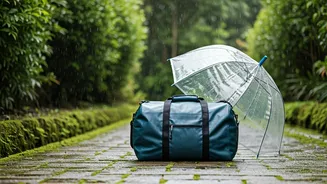
Creating a robust backup plan is about being prepared, not paranoid. Start by packing smart: waterproof bags for your electronics and documents, quick-dry synthetic clothing, and sturdy footwear are essential. [10, 22] Keep some extra buffer days in your itinerary to accommodate potential delays without stress. [13] Always have some cash handy, as heavy rains can lead to power outages affecting ATMs. [11] Before you leave, purchase comprehensive travel insurance that covers weather-related disruptions and cancellations. [7, 11] Share your itinerary with family or friends and keep emergency contact numbers for local authorities saved on your phone. [17] The key is flexibility—being ready to change your plans allows you to embrace the journey, rain or shine. [11, 21]