


India’s Ambitious Venusian Voyage
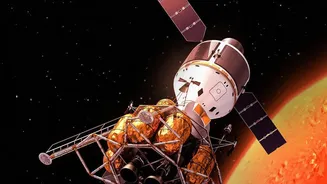
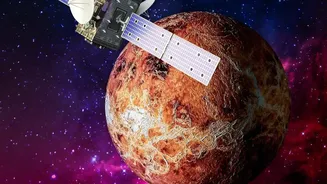
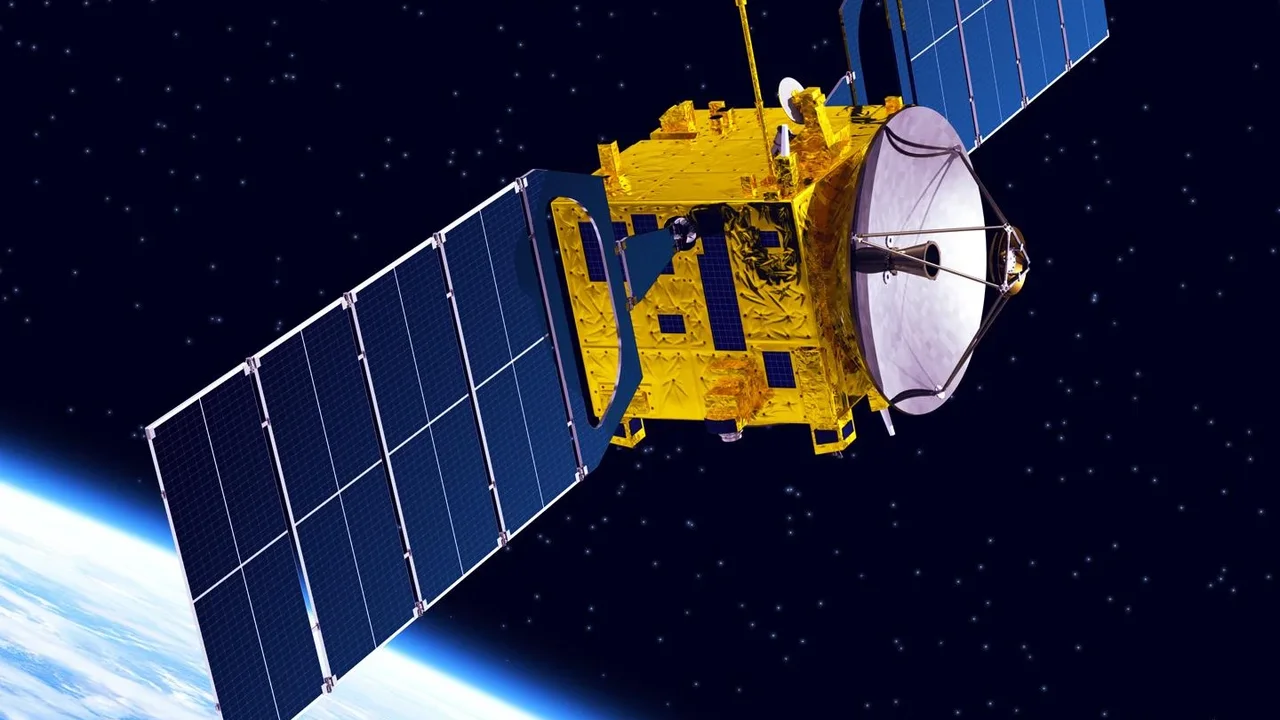
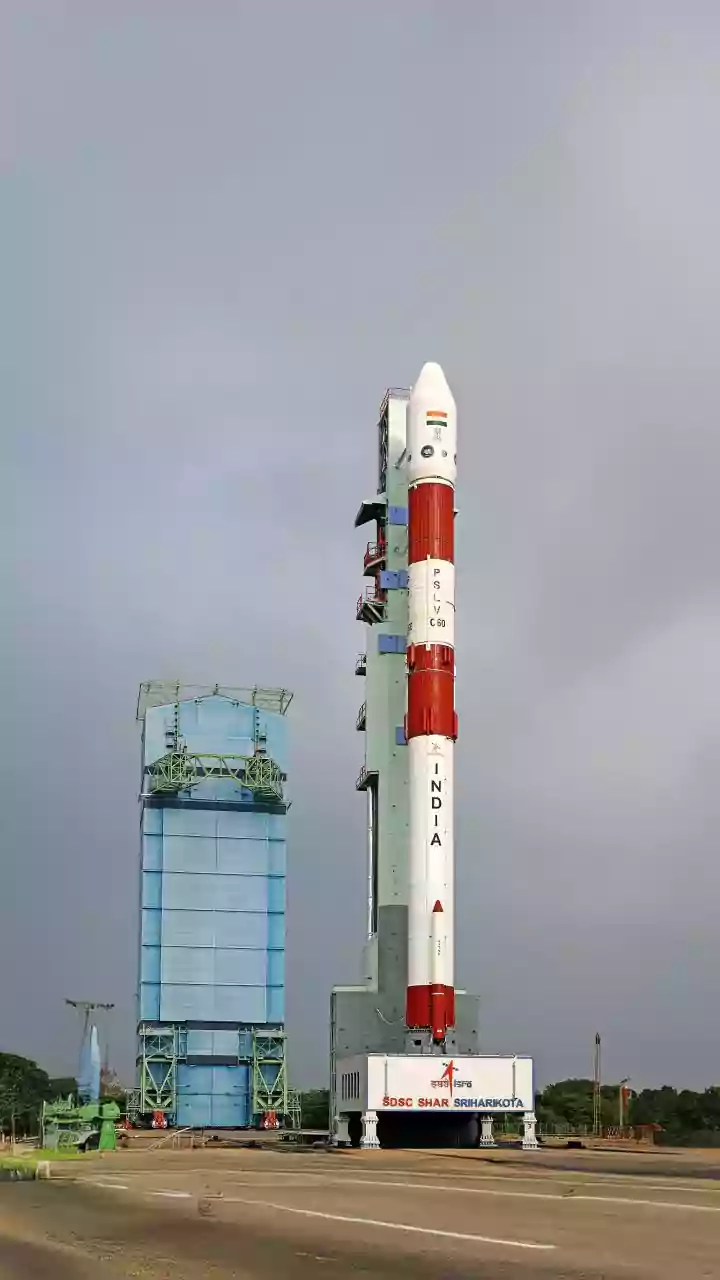
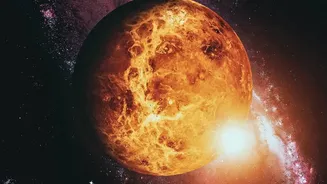
The Indian Space Research Organisation (ISRO) is setting its sights on our nearest planetary neighbour with the Shukrayaan-1 mission, also known as the Venus Orbiter Mission. Scheduled for a launch in March 2028, this landmark project marks India's first
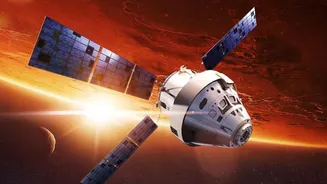
dedicated mission to Venus and its next major interplanetary leap after the highly successful Mangalyaan mission to Mars. The orbiter is designed to spend years studying the planet from above, equipped with a sophisticated suite of instruments to investigate its complex geology and turbulent atmosphere. Its primary goal is to understand the long-standing mysteries of a planet that, despite its similarities in size to Earth, evolved into a completely different and hostile world.
A World of Fire and Acid
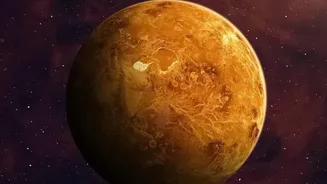
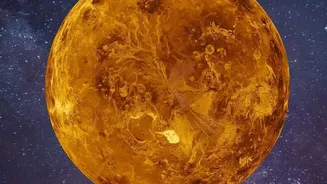
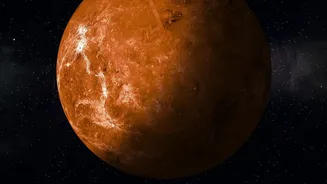
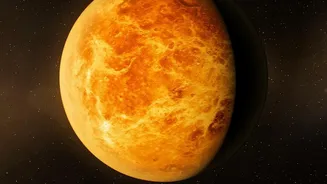
Understanding why a mission to Venus is so significant requires appreciating its extreme nature. The planet’s surface is a nightmarish landscape with temperatures soaring over 460 degrees Celsius, hot enough to melt lead. Its atmosphere is over 90 times denser than Earth's and composed almost entirely of carbon dioxide, creating a runaway greenhouse effect. To make matters worse, Venus is perpetually shrouded in thick, opaque clouds made not of water, but of corrosive sulfuric acid. This hellish environment makes studying the planet incredibly difficult and is why, despite being our neighbour, many fundamental questions about its past and present remain unanswered.
The Sulfur Dioxide Conundrum
Among the many puzzles of Venus, the behaviour of sulfur dioxide (SO2) stands out. This gas is a key ingredient in the formation of the planet's sulfuric acid clouds. However, scientists have observed significant quantities of SO2 in the upper atmosphere, a place where it shouldn't survive for long. At these high altitudes, sunlight triggers chemical reactions that break the gas down. Its continued presence creates a major scientific conundrum: if SO2 is constantly being destroyed, something must be constantly replenishing it. The search for this mysterious source is one of the most compelling reasons to return to Venus.
The Ultimate Smoking Gun for Volcanoes
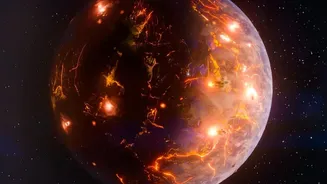
The leading theory to explain the persistent sulfur dioxide is active volcanism. On Earth, volcanoes are a primary source of SO2, spewing it from the planet's interior into the atmosphere. Scientists believe the same process is happening on Venus. If volcanoes on the surface are actively erupting, they would provide a steady supply of SO2, replenishing what is lost to photochemical reactions in the upper atmosphere. Recent analysis of archival radar data from NASA’s Magellan mission has already provided strong evidence of eruptions that occurred in the 1990s. Finding fluctuating hotspots of sulfur dioxide in the atmosphere and correlating them with geological features on the ground would provide the definitive “smoking gun” that Venus is a geologically active world today.
How Shukrayaan Will Hunt for Clues
This is where ISRO’s mission becomes crucial. Shukrayaan-1 will be equipped with instruments designed specifically to map the composition of the Venusian atmosphere, including the concentration and distribution of sulfur dioxide. By monitoring these levels over time, scientists can identify locations where the gas appears in higher concentrations, potentially flagging an active eruption below. Furthermore, the orbiter will carry a high-resolution Synthetic Aperture Radar (SAR), which has the remarkable ability to peer through the dense cloud cover and map the planet’s surface. By combining atmospheric SO2 data with radar images of volcanic structures like calderas and lava flows, the mission can directly link atmospheric changes to geological activity on the ground.
Solving the Mystery of Earth's Twin
Mapping sulfur dioxide isn’t just about finding active volcanoes; it’s about understanding the entire story of Venus. Confirming active volcanism would provide critical insight into how the planet's interior works and how it has shaped its surface over billions of years. This, in turn, helps explain why Venus turned into a toxic greenhouse while Earth remained habitable. The lessons learned from our “evil twin” can help refine our models of planetary evolution and even climate change here on Earth. It provides a natural laboratory for studying how an Earth-sized planet can take a dramatically different evolutionary path.