




The Two-Faced Nature of a Healthy Habit
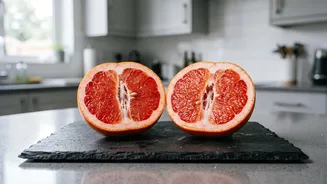
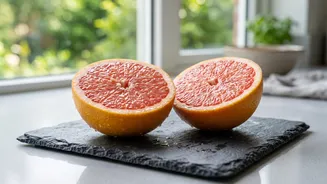
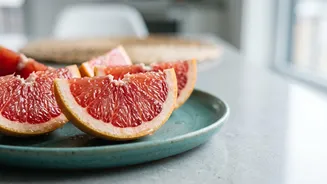
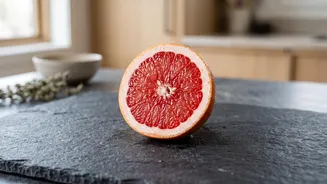
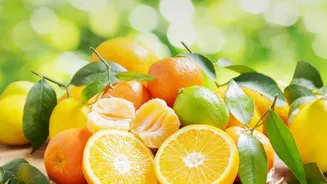
For decades, grapefruit has been the poster child for a strange and potentially dangerous phenomenon: food-drug interaction. While praised for its vitamin C and potassium, this citrus fruit—along with others like Seville oranges (often in marmalade),
pomelos, and limes—contains natural chemical compounds called furanocoumarins. These compounds are the main culprits behind the interaction. They don't play well with a long list of prescription medications. It’s not just grapefruit; to a lesser extent, even apple and orange juices have been shown to affect certain drugs. This interaction can turn a standard, safe dose of medication into one that is either ineffective or dangerously toxic.
A Tale of Two Mechanisms
Citrus juices can disrupt medication in two distinct ways, leading to what doctors call 'therapeutic failure'. The headline's idea of 'blocking entry' primarily refers to one of these pathways. For some drugs, like the common allergy medication fexofenadine (Allegra), compounds in grapefruit, orange, and apple juice can block special proteins in your intestines called transporters (specifically, OATPs). These transporters act like doormen, helping the medication move from your gut into your bloodstream. When the juice blocks these doormen, less of the drug is absorbed, and it may not work as well, if at all. This means you're not getting the therapeutic effect you need. But there is a second, more common, and often more dangerous mechanism. For many other drugs, the furanocoumarins in grapefruit juice inhibit a crucial enzyme in the small intestine called CYP3A4. This enzyme is responsible for breaking down (or metabolizing) a vast number of medications before they even enter your bloodstream. When grapefruit juice knocks out this enzyme, far more of the active drug floods into your system than your body is prepared for. Taking one pill with a glass of grapefruit juice can be like taking several pills with water, leading to an unintentional overdose.
Which Medications Are Affected?
The list of medications known to interact with grapefruit is long and growing, currently standing at over 85. It's crucial to understand that not all drugs in a class will be affected, but entire categories require caution. Key examples include: certain statins for lowering cholesterol like atorvastatin (Lipitor) and simvastatin (Zocor); some blood pressure drugs, particularly calcium channel blockers like nifedipine; medications for anxiety, such as buspirone; immunosuppressants for organ transplant patients, like cyclosporine; and even some antihistamines and drugs for abnormal heart rhythms. The interaction with statins, for example, can increase the risk of serious muscle breakdown and liver damage.
The Danger Is Real and Lingering
The consequences of these interactions are not trivial. Abnormally high drug levels can lead to kidney failure, respiratory distress, gastrointestinal bleeding, and in severe cases, sudden death. What makes it particularly tricky is that the effect of the juice isn't fleeting. The inhibition of the CYP3A4 enzyme is long-lasting. Because the enzyme is essentially destroyed, your body needs to produce more, a process that can take over 24 hours. This means that simply separating your pill and your juice by a few hours isn't enough to prevent the interaction. Even a single glass of grapefruit juice (around 200 ml) can be enough to significantly boost drug levels. The effect can vary from person to person based on the natural amount of the CYP3A4 enzyme in their gut, making the outcome unpredictable.
How to Stay Safe
Given the potential risks, the most important step is communication. Always talk to your doctor or pharmacist about any potential interactions when you are prescribed a new medication. Read the patient information leaflet that comes with your medicine, as it will often contain a specific warning about grapefruit. If your medication is on the interaction list, the safest approach is to avoid grapefruit and its juice altogether. Your doctor may be able to switch you to an alternative drug within the same class that is not affected. Do not assume that all citrus juices are safe; while regular orange juice has less impact, Seville oranges, pomelos, and limes can also pose a risk. The simple act of asking a question can protect you from an entirely preventable and potentially serious medical event.