







The Modern Traveller's Dilemma
The allure of a rock-bottom flight price is hard to resist. In a market as price-sensitive as India, cost has long been the primary driver for booking decisions. However, a shift is underway. Travellers are increasingly weighing the initial savings against
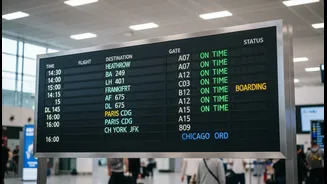
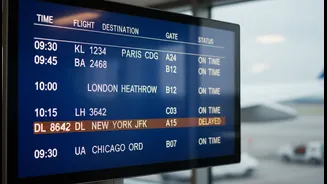
the potential cost of unreliability. A series of widespread flight disruptions in recent years has made passengers acutely aware that delays and cancellations come with their own price tag: missed business meetings, spoiled holiday plans, and the unexpected expense of new tickets or hotel stays. While studies show price remains a key factor, comfort and on-time travel are gaining significant ground, especially as flight prices have risen. This has created a new kind of traveller: one who looks beyond the fare and asks, 'Is this flight likely to get me there on time?'
Understanding On-Time Performance (OTP)
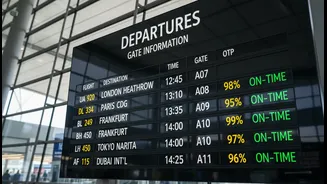
The key metric for flight reliability is On-Time Performance, or OTP. In India, the Directorate General of Civil Aviation (DGCA) defines a flight as 'on-time' if it departs within 15 minutes of its scheduled time. The DGCA releases monthly reports detailing the OTP of major domestic airlines across India's busiest airports. This data provides a transparent report card on how consistently airlines are sticking to their schedules. For example, DGCA data from May 2026 showed significant variations, with the top-performing airline hitting an OTP of 82.8%, while another major carrier lagged at just 26.5%. Seasonal factors like monsoon rains or winter fog in North India can also impact these numbers, causing OTP to drop across the board.
How to Check an Airline's Report Card
Before you book, a few minutes of research can save hours of frustration. The official DGCA reports are the most authoritative source for historical data. These reports are public and can be found online, offering a month-by-month breakdown. As of mid-2026, consistent performers like Akasa Air and IndiGo often lead the OTP charts, with numbers hovering around 80% or higher. Other carriers, including the improving Air India, show more variability. Beyond official reports, several flight tracking websites and apps like FlightAware and FlightStats provide historical data for specific flight numbers. This allows you to check the track record of the exact flight you're considering, giving you a powerful insight into its typical performance.
Beyond the Numbers: Other Clues to Reliability
Official statistics are a great starting point, but other factors provide clues about a flight's likely punctuality. The time of day is crucial; the first flights of the morning generally have the best on-time record because they aren't affected by cascading delays from earlier in the day. Conversely, late-evening flights are more susceptible to accumulated delays. The specific airport also matters. Some airports are more congested and prone to delays than others. For instance, in May 2026, Chennai International Airport had the best OTP in the country at 92.2%, while other major metro airports lagged. Finally, consider the context. Airlines reducing their number of scheduled flights can sometimes lead to more frequent delays for the remaining services.
When Is the Cheapest Ticket Worth the Risk?
Armed with this data, you can make a more strategic choice. Is it ever okay to book that ultra-low-cost, low-OTP flight? It depends entirely on the nature of your trip. If you're on a flexible weekend getaway with no fixed plans, saving money on a flight with a 70% OTP record might be a reasonable gamble. The potential inconvenience of a two-hour delay might be an acceptable trade-off for a significantly cheaper ticket. However, if you are flying for a crucial business meeting, a wedding, or to catch a connecting international flight, the risk is much higher. In these scenarios, paying a small premium for an airline with a consistently high OTP (above 85%) acts as a form of insurance, buying you peace of mind and a much higher probability of arriving as scheduled.