




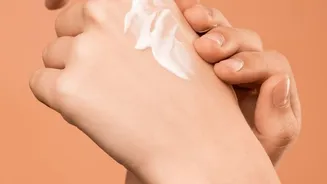


As winter arrives, so does the familiar battle with dry, tight, and flaky skin. The drop in temperature and humidity is often blamed, but the solution might be simpler than you think: taking a closer look at your moisturiser.
Why Winter Wreaks Havoc on Skin
The primary culprit behind
winter skin woes is a lack of humidity. Cold air simply cannot hold as much moisture as warm air. This dry environment effectively pulls water away from your skin's surface in a process called transepidermal water loss. This is made worse by indoor heating, which further strips moisture from the air, creating a double assault on your skin's hydration. This constant dehydration weakens your skin's natural protective layer, known as the skin barrier. When this barrier is compromised, it not only loses water faster but also becomes more vulnerable to external irritants.
The Sneaky Problem with Fragrance
When your skin barrier is already stressed and weakened by winter conditions, it's far more susceptible to irritation. This is where fragrance in skincare becomes a significant issue. Fragrances, whether synthetic or derived from natural essential oils, are a leading cause of skin sensitisation and allergic reactions. The term 'fragrance' or 'parfum' on an ingredient list can hide a complex mixture of potentially dozens of chemicals. These volatile compounds can disrupt the skin's barrier, leading to redness, itching, and increased dryness—exactly what you're trying to combat. Even if you've never had a reaction before, repeated exposure can cause your skin to develop a sensitivity over time. For those with pre-existing conditions like eczema or rosacea, fragranced products can significantly worsen symptoms.
Decoding Moisturiser Ingredients
An effective winter moisturiser works by combining three types of ingredients to support your skin. Understanding these will empower you to choose the best product. Humectants, like hyaluronic acid and glycerin, act like magnets, drawing moisture into the top layer of the skin. Emollients, such as shea butter and ceramides, work to soften and smooth the skin's surface by filling in the gaps between skin cells. They are crucial for repairing the skin barrier. Finally, occlusives, like petrolatum and dimethicone, form a physical barrier on the skin's surface to lock in moisture and prevent it from evaporating. A good winter moisturiser should ideally contain a blend of these ingredients to both add and seal in hydration.
How to Choose the Right Moisturiser
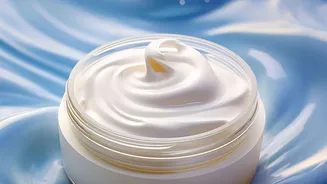
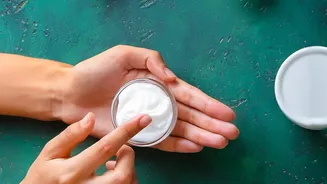
When shopping for a winter moisturiser, your first step should be to look for the words 'fragrance-free' on the label. Be aware that this is different from 'unscented', which may mean that a masking fragrance has been added to cover the smell of the raw ingredients. Next, scan the ingredient list for the heroes of hydration. Look for powerful humectants like glycerin and hyaluronic acid near the top of the list. Seek out barrier-repairing emollients such as ceramides, shea butter, or squalane. For very dry skin, a thicker cream texture, which typically contains more occlusive and emollient ingredients than a lighter lotion, will provide more lasting protection. Applying your moisturiser to damp skin right after a lukewarm shower can help lock in even more hydration.
A Holistic Approach to Winter Skin
While a great fragrance free moisturiser is your best defence, a few other habits can make a big difference. Avoid long, hot showers, as the heat can strip your skin of its natural protective oils. Instead, opt for shorter, lukewarm showers. Consider using a humidifier in your bedroom to add some much needed moisture back into your indoor environment. Also, pay attention to your cleanser; foaming washes can be stripping, so a switch to a gentler, cream based cleanser can help preserve your skin barrier. And don't forget to protect exposed skin like your hands and lips with gloves and a nourishing balm.