


The Golden Goodness of Pumpkin
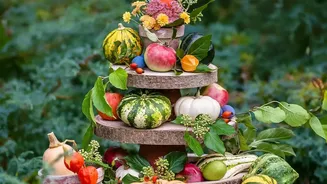
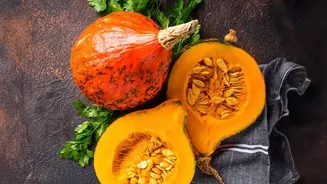
October is the season for golden, sweet pumpkins (kaddu). Far from being just a festive decoration, this versatile vegetable is a powerhouse of nutrients. Its natural sweetness pairs beautifully with a range of Indian spices. Instead of complicated dishes,
think simple. For a quick weeknight meal, a simple pumpkin curry or sabzi is a go-to option. Just sauté cubed pumpkin with onions, tomatoes, and everyday spices like cumin, turmeric, and a touch of garam masala for a dish that comes together in under 30 minutes. You can also add pumpkin puree to dal to make it thicker and naturally sweeter, a trick that works wonderfully with lentils. For a healthy snack, simply roast thin slices of pumpkin with a sprinkle of salt and chilli powder until crisp. It’s a satisfying alternative to fried snacks and celebrates the vegetable in its purest form.
The Versatile Sweet Potato
Sweet potatoes (shakarkandi) are a staple of the cooler months, and October sees the arrival of the fresh harvest. While often enjoyed during fasts, its potential in everyday cooking is immense. Beyond simply boiling, try making a savoury sweet potato sabzi. A quick stir-fry with mustard seeds, curry leaves, green chillies, and a garnish of fresh coconut makes for a delightful side dish that's ready in minutes. For a more snack-oriented approach, a street-style sweet potato chaat is a guaranteed winner. Simply boil or roast cubes of sweet potato, then toss them with chopped onions, tamarind chutney, a sprinkle of chaat masala, and a squeeze of lemon. This preparation balances the natural sweetness of the shakarkandi with tangy and spicy notes. You can also make simple tikkis or patties by mashing boiled sweet potato with spices and shallow-frying them until golden.
Rediscovering Radish
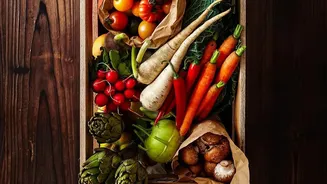
The peppery, pungent flavour of radish (mooli) makes a welcome appearance in October. This humble root vegetable is incredibly versatile and, best of all, you can use the entire plant. The leaves, which are often discarded, are packed with nutrients and can be cooked into a delicious bhurji or stir-fry with garlic and green chillies. The root itself can be used in numerous ways. A simple Indian radish stir-fry, or Mullangi curry, is a quick side dish for rotis or rice. For a cooling element in your meal, grate fresh radish and add it to yogurt to create a simple mooli raita. A little tempering of cumin seeds and mustard seeds in hot oil, poured over the raita, elevates it instantly. And of course, there's the classic mooli paratha, a beloved North Indian breakfast, which makes for a hearty and flavourful meal to start your day.
Go Green with Amaranth Leaves
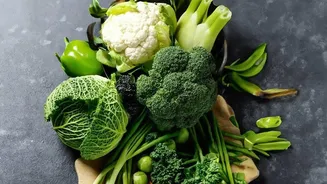
As we transition out of the monsoon, leafy greens like amaranth (chaulai or laal maath) become widely available. These greens are celebrated for their high iron content and distinct, earthy flavour. One of the simplest ways to prepare them is a quick stir-fry or bhaji. Sautéing the chopped leaves with plenty of garlic, onions, and a few green chillies is a classic Maharashtrian preparation that pairs beautifully with chapatis or bhakri. For another easy option, you can add chopped amaranth leaves to your regular dal. Just add them in the last few minutes of cooking so they wilt but retain their nutrients. The leaves can also be blended into a puree and mixed with yogurt to make a vibrant and healthy raita. You can even add the puree to your roti or paratha dough for a soft, nutritious flatbread.