







The Underrated Power of Fibre
Dietary fibre is a type of carbohydrate that our bodies can't digest, and that’s precisely what makes it so powerful. It comes in two forms: soluble and insoluble. Soluble fibre, found in oats, beans, and apples, dissolves into a gel-like substance that helps
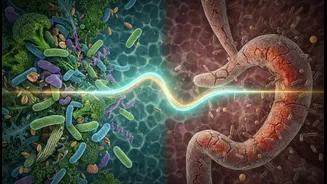
regulate blood sugar and lower cholesterol. Insoluble fibre, present in whole grains and vegetables, adds bulk to stool, promoting regularity and preventing constipation. A high-fibre diet is linked to numerous benefits, including better weight management, reduced risk of heart disease and diabetes, and a healthier gut microbiome. For adults in India, the recommended intake is about 25-30 grams per day, but many people consume only half of that.
The Problem with Perfect Tracking
While tracking apps can seem helpful, striving for perfection often backfires. Obsessively logging every meal can increase anxiety, guilt, and rigid thinking about food. This 'all-or-nothing' mindset can lead to burnout, where one small slip-up feels like a total failure, causing you to abandon your goals altogether. Studies have shown that a preoccupation with tracking can even trigger or worsen disordered eating behaviours. It can damage your relationship with food, turning meals into a source of stress rather than nourishment and enjoyment. This approach is often unsustainable because real life—with its social events and busy schedules—rarely aligns with a perfect plan.
Why Consistency Is the Real Goal
Long-term health isn't built on short sprints of perfection; it's the result of a marathon of consistent effort. Focusing on a single, achievable goal—like adding more fibre to your meals—is far more sustainable than trying to overhaul your entire diet overnight. Consistency builds lasting habits that become second nature. It allows for flexibility, so you can enjoy occasional treats without guilt derailing your progress. By making small, steady changes, you foster a positive relationship with food and improve your chances of long-term success. A fibre-first approach embodies this principle perfectly by focusing on adding good things in, rather than obsessively restricting.
Easy Swaps to Boost Your Fibre
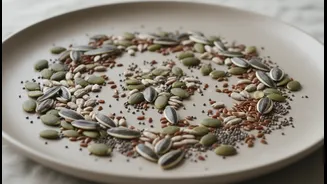
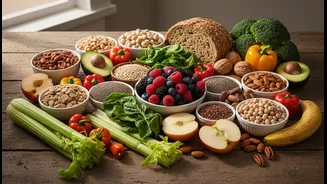
Increasing your fibre intake doesn’t require a radical diet change. It's about making simple, smart substitutions. Start by swapping refined grains for whole ones; choose whole-wheat or multigrain atta for your rotis and opt for brown rice instead of white rice. Include a serving of dal, chana, or rajma with at least one meal each day. Snack on whole fruits like guava, apples, and pears (with the skin on) instead of drinking fruit juice. Roasted chana, a handful of nuts, or a bowl of sprouts are excellent high-fibre snack choices that are readily available. You can also sprinkle seeds like chia or flax on salads, yoghurt, or smoothies for an effortless boost.
Building a Fibre-First Plate
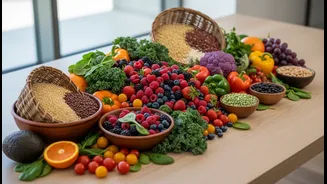
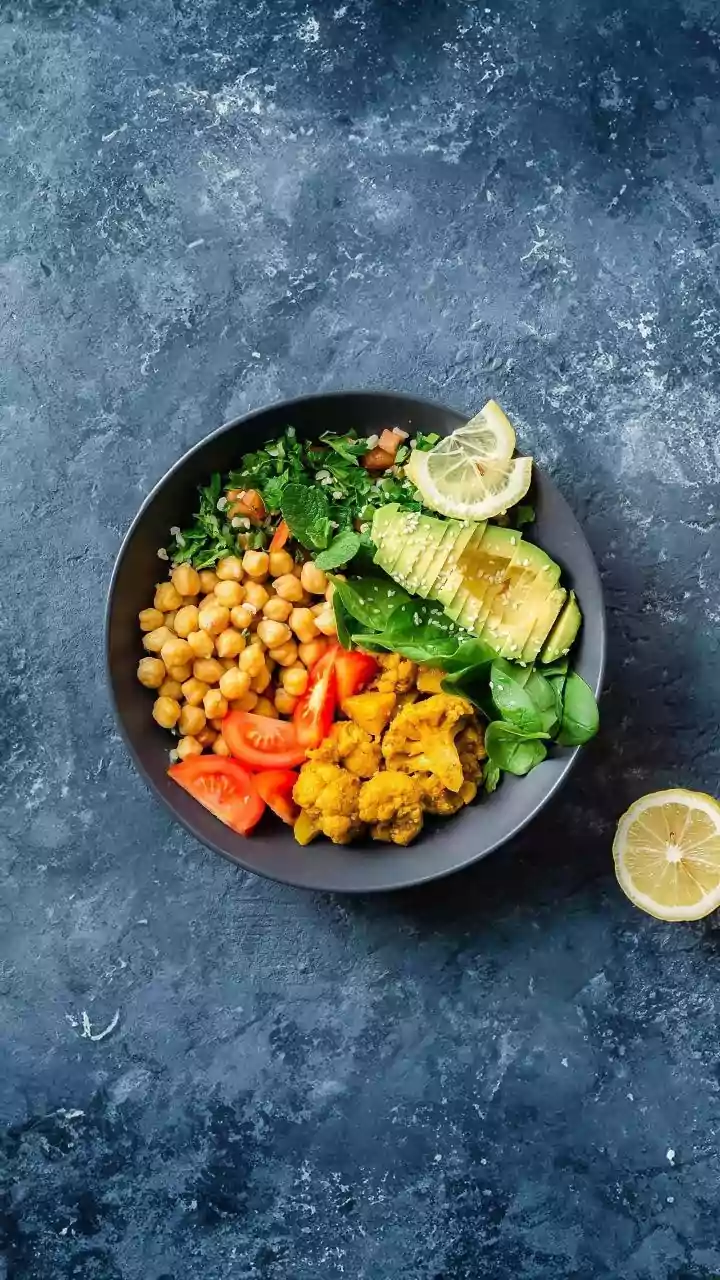
Instead of counting grams, visualise your plate. Aim to fill half of it with vegetables, whether as a salad, sabzi, or steamed side. Dedicate one quarter of your plate to a fibre-rich protein source like lentils, beans, or chickpeas. The final quarter can be for whole grains, such as millets (jowar, bajra, ragi) or whole wheat. This simple framework ensures you’re prioritising fibre without the mental load of tracking. For example, a meal could consist of a large portion of mixed vegetable curry, a bowl of dal, and a couple of ragi rotis. This approach, known as the 'Fibre First' strategy, naturally helps slow digestion, keeps you fuller for longer, and stabilises energy levels.