






The Burnout Epidemic
The Indian tech industry is a global powerhouse, built on the brilliance and relentless drive of its workforce. But behind the success stories of Bengaluru, Hyderabad, and Pune lies a creeping crisis: burnout. Characterised by chronic exhaustion, cynicism,
and a sense of inefficacy, it’s more than just a bad week at work. It's a debilitating state fueled by endless project cycles, impossible deadlines, and the 'always-on' culture of a hyper-connected world. For many, life has become a loop of code, Slack notifications, and Zoom calls, blurring the lines between work and personal space until there’s no space left at all. This relentless digital grind exacts a heavy toll, leaving many feeling drained, disconnected from themselves, and desperate for an escape.
The Ancient Art of Forest Bathing
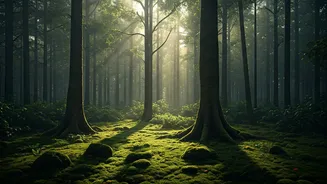
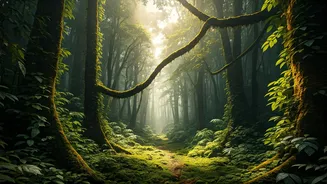
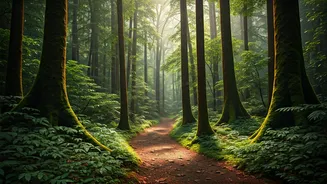
The solution, for some, is surprisingly low-tech. They are turning to 'Shinrin-yoku', a Japanese term that translates to 'forest bathing'. This is not a strenuous hike or a race to a scenic viewpoint. Instead, it is the simple, meditative practice of immersing oneself in nature through all the senses. It’s about walking slowly, breathing deeply, and paying attention to the rustle of leaves, the scent of damp earth, the sight of sunlight filtering through the trees, and the texture of bark. Originating in Japan in the 1980s as a response to its own work-related stress epidemic, the practice is backed by science. Studies have shown that spending mindful time in a forest can reduce cortisol (the stress hormone), lower blood pressure, improve mood, and boost the immune system. It’s a direct antidote to the information overload that defines modern life.
Why God's Own Country?
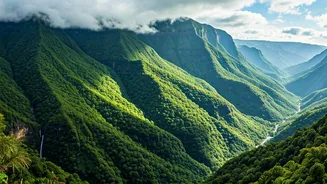
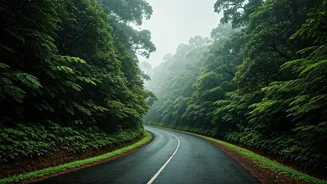
While forest bathing can be practised anywhere with trees, Kerala has emerged as an ideal destination for this wellness pilgrimage. The state, already renowned for its Ayurvedic retreats and tranquil backwaters, offers an almost perfect environment. Its lush, tropical forests in regions like Wayanad, Thekkady, and Munnar are ancient, dense, and teeming with biodiversity. This isn't a manicured park; it's nature in its most potent form. Local wellness resorts and eco-lodges are increasingly incorporating guided forest bathing sessions into their programmes, blending the Japanese practice with local knowledge of the land. For someone fleeing the concrete jungle of a tech hub, the promise of Kerala’s verdant, rain-washed landscapes is a powerful pull. It represents a complete sensory and psychological shift from the digital to the natural.
An Antidote to the Algorithm
Imagine a software developer who has spent the last year optimising user engagement algorithms. Their days are measured in clicks, screen time, and conversion rates. Now, imagine them standing barefoot on a mossy path in the Western Ghats, with no phone signal and no deadline. Their only task is to listen to the call of a Malabar whistling thrush or watch a line of ants march across a fallen leaf. The experience is profoundly restorative. It disconnects them from the digital world that commodifies their attention and reconnects them to the physical world that asks for nothing in return. It’s a reset button for the mind. This journey isn't just about taking a break from work; it's about unlearning the habits of constant productivity and rediscovering a slower, more deliberate way of being.