




Your Gut Microbiome: Why It Matters
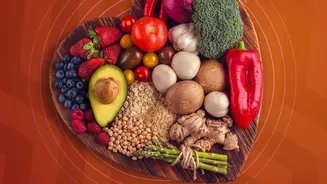
Think of your gut as a bustling inner garden, home to trillions of microorganisms known as the microbiome. These tiny helpers do more than just digest food; they are crucial for producing certain vitamins, training your immune system, and even influencing
your mood. A healthy, diverse microbiome is linked to numerous health benefits. The key to keeping this internal ecosystem thriving is feeding it the right food, and dietary fibre is its preferred meal.
White Rice and Its Impact on Gut Health
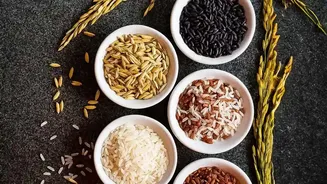
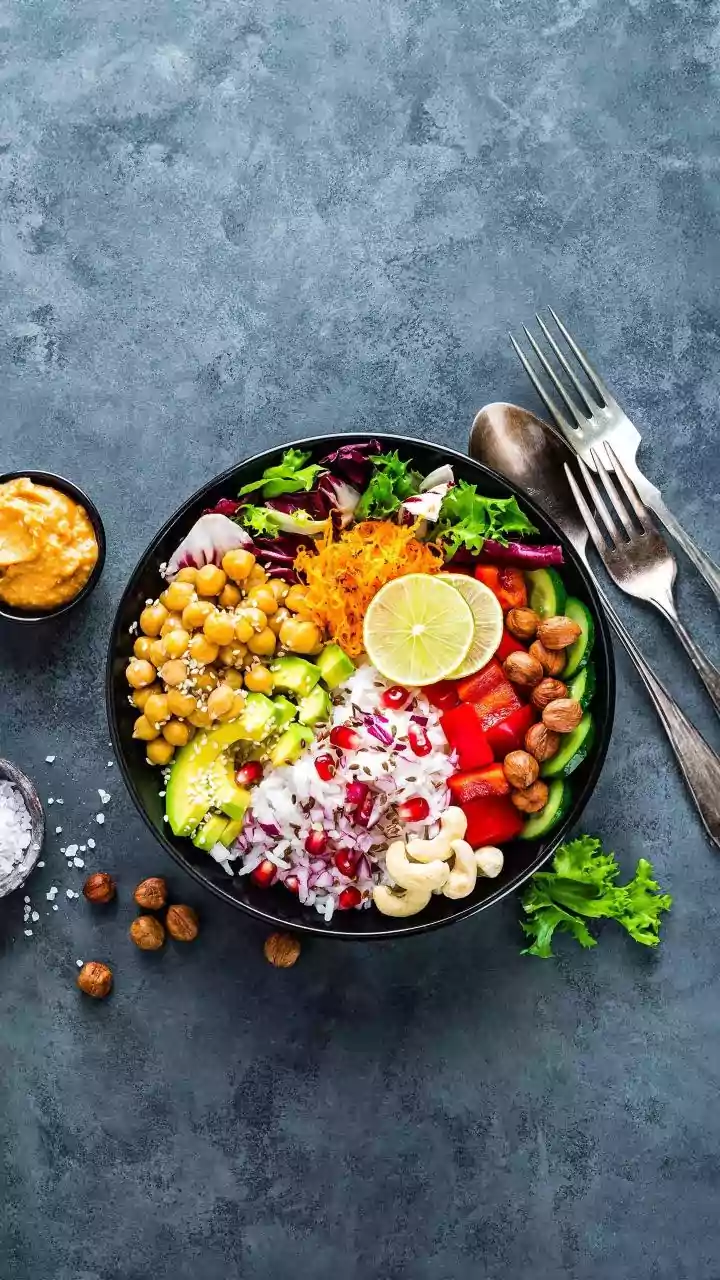
White rice is a staple in many Indian households, cherished for its soft texture and quick cooking time. However, the polishing process that gives it its pearly appearance strips away most of its fibre, vitamins, and minerals. With very little dietary fibre (around 0.4g per 100g), white rice offers minimal food for your beneficial gut bacteria. This can lead to a less diverse microbiome and may not support long-term digestive wellness as effectively as whole grains. Its quick digestion can also cause rapid spikes in blood sugar.
Foxtail Millet (Kangni): A Prebiotic Powerhouse
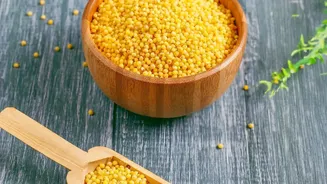
Foxtail millet, known as Kangni in Hindi, is an ancient grain that acts as a prebiotic, meaning it feeds the good bacteria in your gut. Rich in dietary fibre, it supports a healthy gut microbiome, which is linked to better immunity and reduced inflammation. Studies have shown that consuming foxtail millet can increase beneficial bacteria like Bifidobacterium and Lactobacillus while reducing harmful ones. Its high fibre content also aids in regular bowel movements and helps prevent constipation. Being gluten-free and easy to digest, it's a gentle yet powerful addition to your diet.
Sorghum (Jowar): The Digestive Dynamo
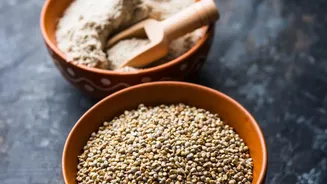
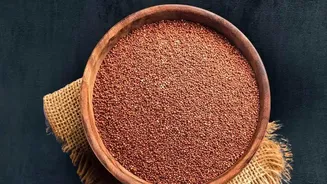
Sorghum, or jowar, is another gluten-free hero for your gut. It is packed with nutrients, protein, and a significant amount of dietary fibre, which is essential for preventing issues like bloating and constipation. A single serving of jowar can provide a substantial portion of your daily recommended fibre intake. Beyond just fibre, sorghum is rich in phenolic compounds and polyphenols, which act as antioxidants and help modulate gut microbiota for better gastrointestinal health. Its lower glycemic index and higher protein content also contribute to feeling full for longer, aiding in weight management.
How to Make the Switch Easily
Swapping rice for these millets doesn't have to be complicated. Foxtail millet has a texture and taste that is quite similar to rice, making it an excellent starting point. You can cook it just like rice: simply soak the millet for a few hours, then boil it in a 2:1 water-to-millet ratio until tender. Use it as a base for curries, dal, or to make dishes like pilaf and upma. Sorghum is most popularly consumed as roti, but its flour can also be used in a variety of dishes. You can start by replacing one of your daily meals with a millet-based alternative to slowly adapt your palate and digestive system.