



More Than Just a Weather Forecast
When we think of rainfall tracking, the daily weather report comes to mind. But for forest scientists in India, the work goes far deeper. They aren't just predicting if you'll need an umbrella tomorrow; they are monitoring the long-term health of entire
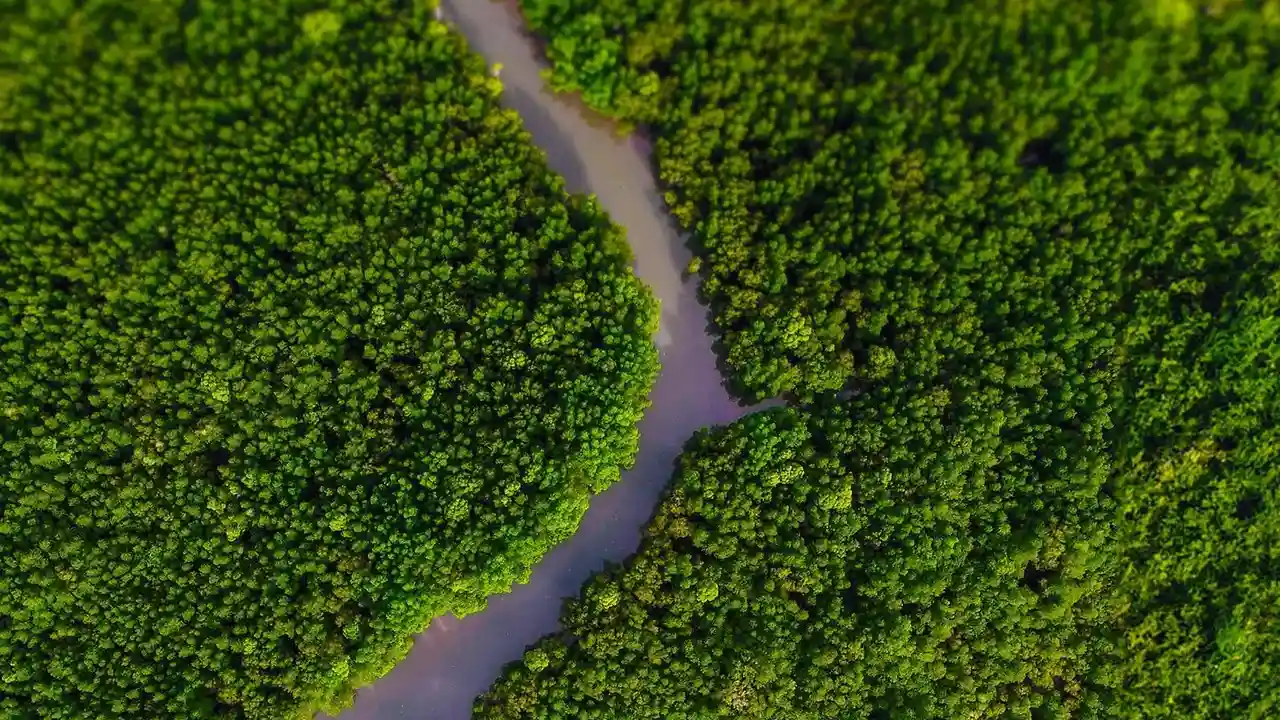
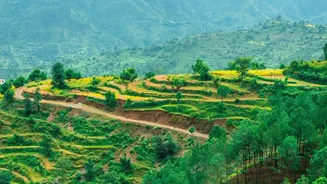
ecosystems. Climate change is making India's rainfall patterns more erratic and unpredictable. Instead of steady, soaking rains, we are increasingly seeing long dry spells punctuated by intense, heavy downpours. This volatility poses a grave threat to the nation's forests, which cover nearly a quarter of its landmass and are vital for everything from clean water to economic stability.
Forests as Nature's Water Managers
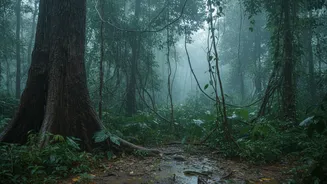
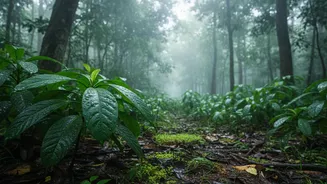
Think of a healthy forest as a giant sponge. Its canopy intercepts rainfall, slowing its descent and reducing soil erosion. The complex root systems of trees and the absorbent forest floor soak up vast amounts of water, which is then slowly released into streams and rivers, ensuring a more stable, year-round water supply. This process also recharges crucial groundwater aquifers, which account for a significant portion of India's water needs. Furthermore, trees release massive quantities of water vapor back into the atmosphere through a process called transpiration. This moisture can contribute significantly to local cloud formation and rainfall, creating a self-sustaining water cycle. Deforestation disrupts this delicate balance, potentially leading to reduced rainfall and prolonged droughts.
The Double-Edged Sword of Erratic Rains
The shift in rainfall patterns has a twofold impact. Intense downpours on dry, hardened soil lead to massive surface runoff, causing flash floods and landslides. Instead of replenishing the ground, the water washes away valuable topsoil, degrading the land. Conversely, extended dry periods stress the forest ecosystem. Trees become more vulnerable to pests, diseases, and, most critically, forest fires. Studies, like one on the Panchmarhi Biosphere Reserve, have shown that rising temperatures and lower precipitation have significantly increased the risk of fires, altering forest health and causing a loss of canopy cover. This degradation not only affects biodiversity but also compromises the livelihoods of communities that depend on forest resources.
High-Tech Eyes on the Ground and in the Sky
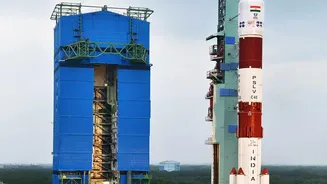
To get a precise picture of these changes, scientists are employing a suite of advanced technologies. Satellite data from organisations like ISRO and remote sensing tools like MODIS allow researchers to monitor changes in forest cover, canopy density, and vegetation health over vast areas and long periods. This is complemented by on-the-ground instrumentation. Tipping-bucket rain gauges provide real-time, precise measurements of rainfall amount and intensity, while disdrometers can analyze the size of individual raindrops. More recently, AI-powered systems are being deployed. In states like Himachal Pradesh, AI tools analyze thousands of environmental variables—including soil, climate, and rainfall data—to identify the best locations for reforestation and the most suitable native species to plant, ensuring higher survival rates.
From Data to Disaster Preparedness
This intensive tracking is not just an academic exercise. The data gathered is critical for shaping national policy and on-the-ground action. By understanding how specific forest types respond to rainfall variability, authorities can develop better forest management strategies. For example, the information helps in building resilience by promoting biodiversity, which makes forests better able to withstand climate shocks. The data also feeds into advanced warning systems. The India Meteorological Department (IMD) is now using AI-powered platforms to provide hyperlocal rainfall forecasts up to four weeks in advance, helping farmers plan and disaster management agencies prepare. By precisely monitoring the relationship between rainfall and forests, scientists are providing the essential knowledge needed to protect India's vital ecosystems and the millions of people who depend on them.