



Start With a Story, Not Just a Wall
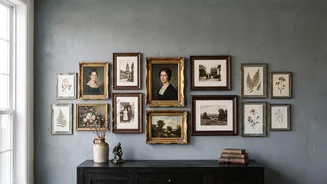
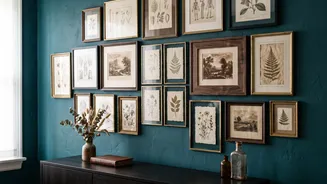
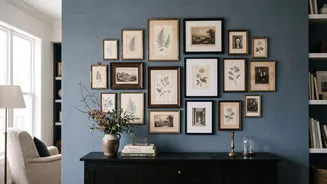
The most captivating gallery walls feel collected over time, bound by a common thread. Before you begin, decide on the mood you want to create. Are you drawn to the warm, moody tones of old oil paintings and sepia photographs? Or perhaps a lighter, eclectic
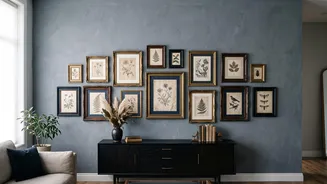
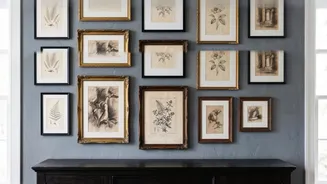
mix of botanical prints, architectural sketches, and gilded mirrors? Establishing a theme or a consistent point of view is the key to making a diverse collection feel cohesive rather than chaotic. This unifying element could be a subject matter (like landscapes or portraits), a specific era, or a simple colour palette of two to three recurring tones.
The Thrill of the Vintage Hunt
Building your collection is a treasure hunt in itself. The best pieces often come with a story and a little bit of soul that you can't find in a big-box store. Flea markets, antique shops, estate sales, and even your own family's storage are fantastic sources for authentic finds. Look for items with character: art with interesting frames, old photographs, small mirrors, decorative plates, and even framed textiles. Don't overlook online marketplaces like Etsy and eBay, where you can find both original vintage art and high-quality digital downloads of classic prints that you can frame yourself. When hunting, pay attention to the frame's shape and detail; the art inside can always be swapped, but a unique frame is a treasure.
Create Cohesion from Chaos
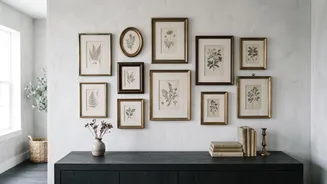
An eclectic collection of vintage finds can be tricky to unify. The secret is to create visual links between the pieces. If your frames are all different styles and materials—a mix of wood, gilt, and black lacquer, for example—try to establish cohesion through another element. This could be a consistent colour in the artwork itself or using the same colour mat for several pieces. Alternatively, you could unify a set of mismatched frames by painting them in a limited palette of two or three complementary colours. The goal isn't to make everything match perfectly; it's to create a balanced composition where no single piece feels out of place. Repeating a colour or finish helps the eye move smoothly across the wall.
Map It Out Before You Hammer
The most crucial step to prevent a wall full of misplaced nail holes is planning your layout. Before committing, lay all your pieces out on the floor. This allows you to see how they interact and balance each other. Start with your 'anchor' piece—usually the largest or most visually compelling item—and place it at or slightly above eye level, which is typically about 57-60 inches from the floor. Build the rest of the arrangement around it. A great trick is to trace each frame onto paper, cut out the templates, and tape them to the wall. You can live with this paper version for a day or two, making adjustments until the balance and spacing feel right. Aim for a consistent gap of about 2-3 inches between frames for a polished look.
Think Beyond Two Dimensions
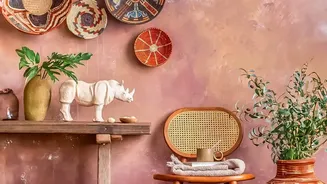
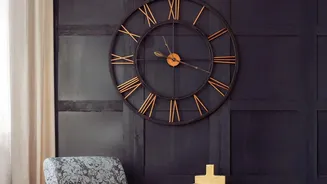
A truly dynamic gallery wall incorporates more than just framed prints. Adding objects with different shapes and textures creates depth and visual interest, elevating the entire display. Think about including a small, ornate mirror to reflect light, a cluster of vintage plates, a woven basket, or even a small floating shelf holding a plant or keepsake. These three-dimensional elements break up the flatness of a wall of frames and enhance the collected, personal feel that defines vintage style. The interplay of different materials—wood, metal, glass, and textiles—makes the wall a rich, tactile experience and a true focal point of the room.