

An Explosion of Light and Life
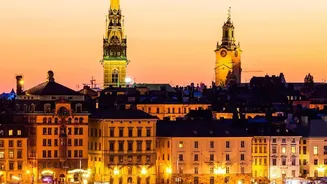
After a long, dark winter, the arrival of summer in Sweden is more than a change of season; it's a national reawakening. With the sun barely dipping below the horizon in the country’s northernmost regions, there's a palpable energy that draws everyone
outdoors. This collective exuberance finds its ultimate expression in a calendar packed with festivals that celebrate nature, community, and history. The season of near-perpetual daylight is a time for making up for lost time, for reconnecting with neighbours and nature in the brief but glorious window of warmth and light. This is when the country truly comes alive, transforming tranquil fields and quiet city squares into bustling hubs of activity.
Midsummer: The Peak of Celebration
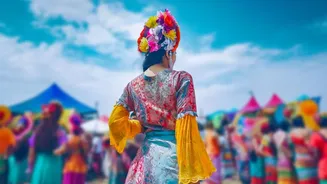
No event captures the spirit of Swedish summer quite like Midsummer. Celebrated on a Friday between June 19 and 25, it's a holiday rooted in pagan traditions that welcome the summer solstice and a season of fertility. Across the country, Swedes gather to raise the maypole ('midsommarstång'), a tall pole decorated with fresh birch leaves and wildflowers. Families and friends weave flower crowns, sing traditional songs, and perform ring dances, including the famous 'Små grodorna' ('The Little Frogs') dance. The accompanying feast is a cornerstone of the tradition, featuring pickled herring, new potatoes with dill, and the first strawberries of the season, often enjoyed with beer and spiced schnapps. It’s a day of magic and folklore, a piece of living history that connects modern Swedes to their agrarian past.
Medieval Markets and Viking Villages
Beyond Midsummer, the Swedish summer is a stage for history to come alive. The most famous example is Medeltidsveckan, or Medieval Week, held annually on the island of Gotland. The historic Hanseatic town of Visby transforms, with locals and visitors donning period costumes to enjoy jousting tournaments, bustling medieval markets, and theatrical reenactments of battles from 1361. With over 50,000 visitors and hundreds of events, it is one of Europe's largest medieval festivals. Similar historical festivals and Viking-themed events can be found across the country, allowing people to step directly into the past. These events aren't just spectacles; they are interactive experiences that celebrate Sweden's rich heritage, from its Viking roots to its medieval trade power.
The Quiet of Winter: Embracing 'Mys'
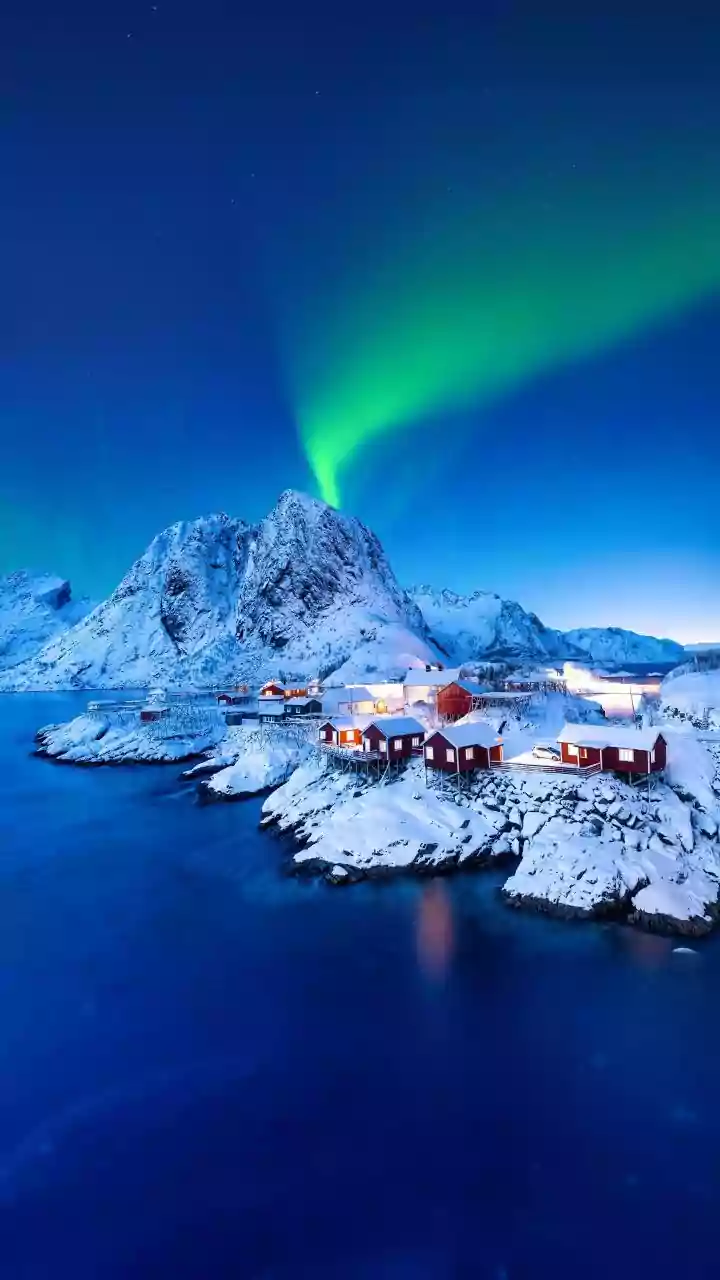
When the vibrant summer fades, a different kind of magic takes hold. The Swedish winter is long and dark, a reality that has shaped a culture of finding joy and contentment indoors. This is the essence of 'mys', the Swedish equivalent of coziness. It’s a lifestyle centered on creating a warm, comfortable, and convivial atmosphere at home. Rather than wishing the winter away, Swedes embrace it by lighting candles, curling up with blankets, and sharing 'fika'—a coffee and cake break—with loved ones. The concept is so ingrained that there are even special 'mys' clothes for lounging and 'mys' lighting to create a softer glow in the home. This philosophy turns the home into a sanctuary against the cold and dark.
Winter's Gentle Glow
While summer is defined by large-scale outdoor festivals, winter's celebrations are more intimate and focused on light. The season kicks off with Advent, when homes and streets are decorated with star-shaped lanterns and electric candlesticks to ward off the darkness. The most iconic winter tradition is Saint Lucia's Day on December 13. On this day, processions are led by a young woman portraying Lucia, wearing a white gown and a crown of candles, symbolizing light conquering darkness. Accompanied by handmaidens and 'star boys', they sing traditional songs and hand out saffron buns called 'lussekatter'. Christmas markets also spring up, offering mulled wine ('glögg') and crafts, providing gentle, communal warmth in contrast to the summer's boisterous energy.