





Why Storms Are So Scary
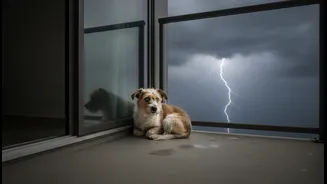
To a dog or cat, a thunderstorm is a full-blown sensory assault. It’s not just the deafening claps of thunder. Their sensitive ears can pick up low-frequency rumbles that humans miss, and they can feel the changes in barometric pressure long before the first
drop of rain. Flashing lightning disrupts their sense of security, and the buildup of static electricity in the air can cause an uncomfortable tingling sensation in their fur. This combination of unsettling and unpredictable stimuli triggers a natural fight-or-flight response, leading to pacing, panting, hiding, and intense anxiety. Understanding this helps explain why their fear is so profound; it’s not an overreaction, but a response to an overwhelming experience.
The Soothing Power of Predictability
Animals are creatures of habit because routine equals safety. A predictable schedule for meals, walks, and rest helps lower their baseline stress levels, making them more resilient when unexpected events like a storm occur. When the world outside feels chaotic, their internal world remains stable and secure. This is the core principle behind managing storm phobia. A dog who knows what to expect from their day is less likely to be sent into a panic by an external trigger. This foundation of security is something no new product can instantly replicate. It is built over time through consistent, loving care and a structured environment that lets your pet know they are safe.
Build a Familiar 'Storm Den'
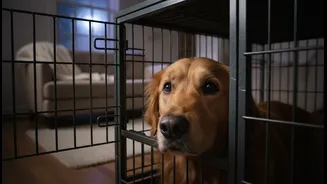
Instead of introducing a new gadget during a panic, focus on creating a safe haven using things your pet already loves. This can be an interior room, a closet, or even a bathroom—anywhere the sounds and lights of the storm are muffled. Fill this space with their favourite bed, soft blankets, and even an old t-shirt that smells like you. Familiar scents are incredibly reassuring. If your dog is crate-trained, their crate can serve as the perfect den, especially if you cover it with a heavy blanket to further dampen the noise and light. The goal is to give them a comforting, enclosed space where they can retreat and feel in control.
Your Calm Is Contagious
Pets are experts at reading our emotional cues. If you are anxious and worried about their reaction, it can amplify their fear, confirming that there is indeed something to be scared of. Do your best to remain calm and act normally. It’s okay to offer gentle reassurance with a calm voice, but avoid excessive coddling, which can sometimes be interpreted as a reward for panicked behavior. Instead, try to engage your pet in a low-key, familiar activity they enjoy, like a gentle game of tug or practicing simple commands for treats. This distraction, paired with your calm presence, teaches them that storms don’t have to be a source of terror.
When to Consider Calming Products
This isn’t to say that calming products have no place. Items like pressure wraps (such as a ThunderShirt), pheromone diffusers, and certain veterinary-approved supplements can be valuable parts of a broader anxiety management plan. The critical mistake, however, is introducing them for the first time in the middle of a storm. A new, strange-smelling spray or a tight-fitting vest can be another source of stress for an already panicked animal. If you want to try a product, introduce it during a calm period. Let your pet investigate it, and do a “test run” before you actually need it for a storm. This allows them to form a neutral or positive association with the item first. For severe phobias, prescription medications may be necessary, and these should always be discussed with and prescribed by a veterinarian.