


The Allure of the Off-Season
Traditionally, the monsoon months from June to September were considered the off-season in Coorg. But what was once a deterrent is now the main attraction. For a generation accustomed to the frantic pace of city life, the relentless rain and dramatic,
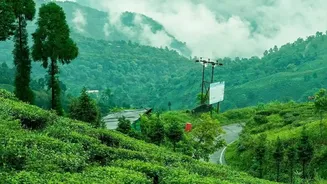
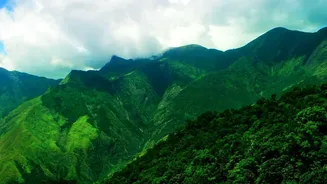
misty landscapes offer a welcome respite. Travel data shows a significant spike in monsoon tourism to destinations like Coorg, with some reports indicating a seven-fold increase in hotel bookings. The appeal lies in the tranquility that comes with fewer tourists, allowing for a more personal and peaceful retreat. Popular spots like Abbey Falls and Raja's Seat can be enjoyed without the usual crowds, creating a sense of having the 'Scotland of India' all to oneself.
Beyond the Coffee Plantations
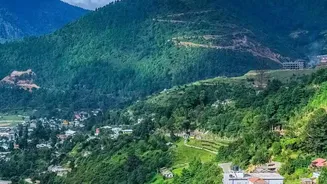
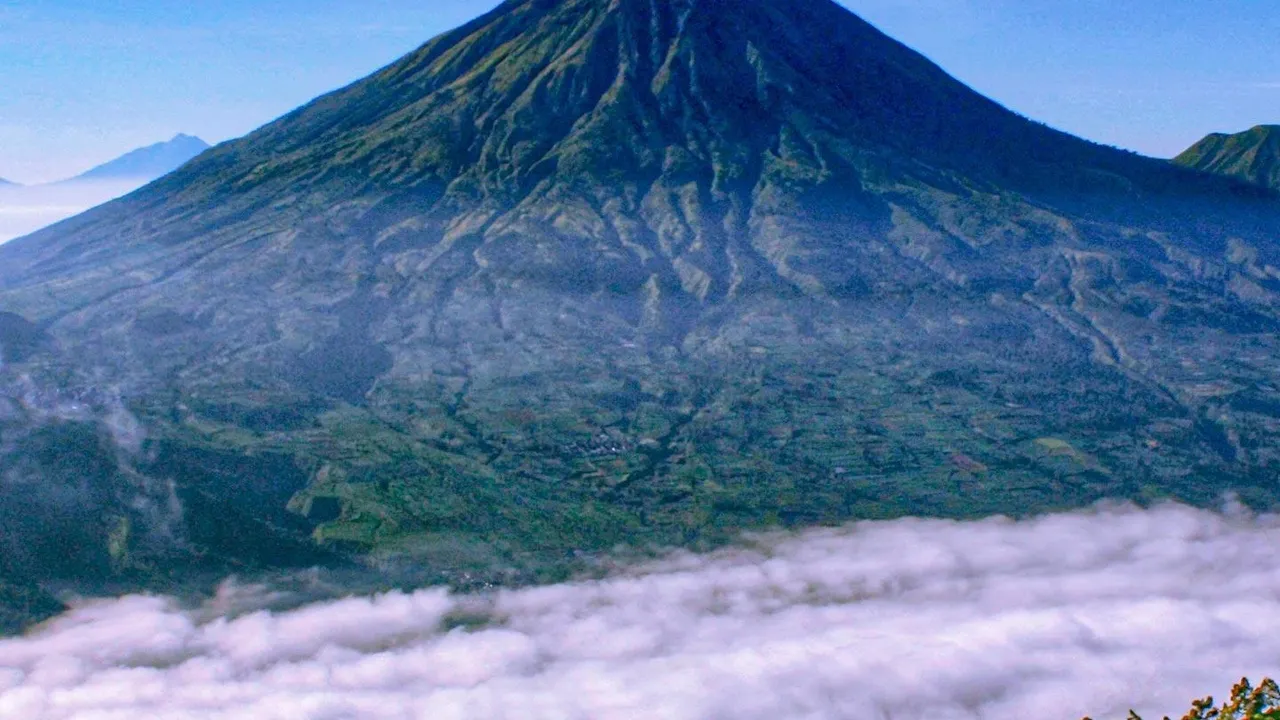
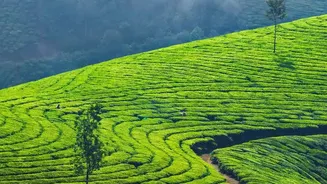
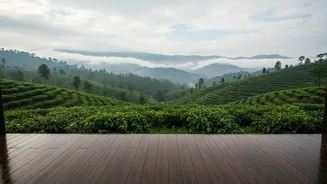
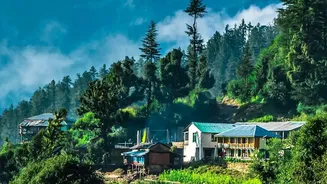
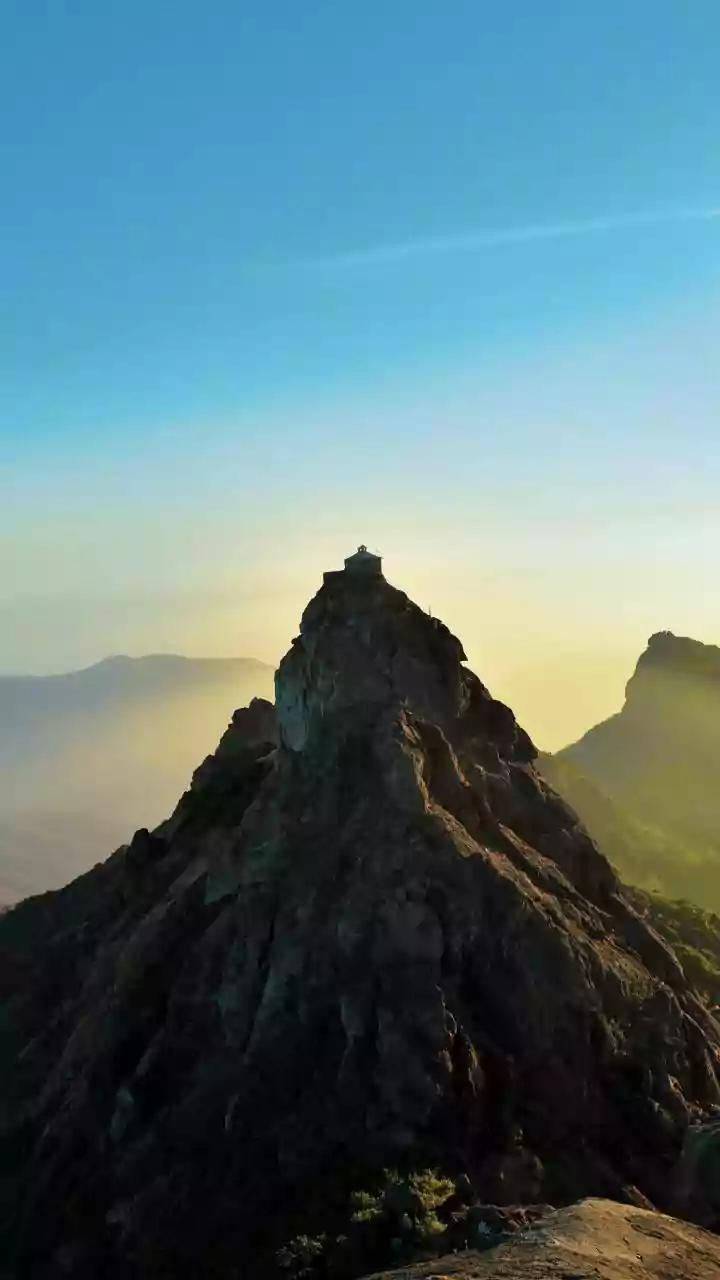
While Coorg is synonymous with coffee, this trend goes beyond the sprawling estates of the lower valleys. The focus is increasingly on high-altitude homestays nestled deep in the hills, some accessible only by 4x4 jeeps. These elevated retreats offer a unique perspective, with panoramic views of mist-filled valleys and cloud-capped peaks right from the bedroom window. Perched high above the everyday world, these homestays provide a profound sense of seclusion and escape. The experience is less about sightseeing and more about immersion—being enveloped by the cool, fresh mountain air and the constant, soothing sound of rain. The higher elevation often means being literally in the clouds, an atmospheric experience that enhances the feeling of a true getaway.
Defining Monsoon Healing
The term 'healing' in this context is less about prescribed wellness programs and more about a holistic sense of restoration. For many young professionals, it's a much-needed digital detox, an opportunity to disconnect from screens and reconnect with nature. The monsoon season is considered an ideal time for rejuvenation in traditional Indian wellness practices like Ayurveda, as the moist, cool, and dust-free environment is believed to make the body more receptive to healing. This modern pilgrimage is about finding stillness. It’s about swapping notification alerts for the chirping of birds after a downpour and the scent of wet earth. The gentle, rhythmic sound of rain itself is a form of therapy, creating a perfect, calm backdrop for introspection and relaxation.
The Homestay Advantage
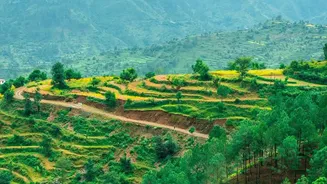
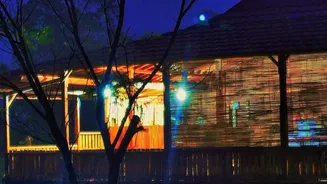
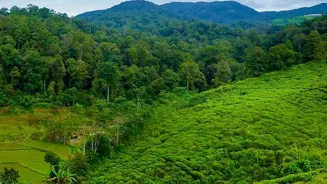
A key part of this trend is the choice of homestays over conventional hotels or resorts. Homestays offer a more authentic and intimate experience. Guests can enjoy home-cooked Kodava cuisine, which is particularly comforting in the rainy weather, and gain insights into local life through interactions with their hosts. Many of these properties are situated within acres of private coffee and spice plantations, offering guests the freedom to take long, undisturbed walks. This shift reflects a broader change in travel preferences, where the goal is no longer just to see a place, but to feel it and live it, even for a short while.
A Generation's Search for Stillness
Ultimately, the rush to Coorg's high-altitude homestays during the monsoon speaks to a deeper generational yearning. It's a conscious move away from packed itineraries and towards slower, more mindful travel. After years of relentless hustle, burnout, and screen fatigue, young urbanites are actively seeking out experiences that offer peace, quiet, and a chance to reset. The monsoon in Coorg provides the perfect environment for this—a place where the world slows down, the landscapes are lush and alive, and the focus shifts from doing to simply being. It’s a reminder that sometimes, the most profound journey is the one that leads to inner calm.