








A Foundation of Fertile Soil and Favourable Climate
The story of Coimbatore’s textile dominance begins with its geography. The region is blessed with rich, black soil, which is perfectly suited for cotton cultivation. This natural advantage meant that high-quality cotton, including the native Karunganni
variety, could be grown in abundance. Unlike many other regions, Coimbatore enjoys a moderate climate and a steady breeze from the Palghat Gap, creating ideal humidity levels for spinning cotton yarn without it breaking. This unique combination of fertile land and a cooperative climate laid the very foundation for a thriving cotton industry, long before the first mills were even a thought. The nearby Noyyal River also played a crucial role, supporting civilisation and agriculture for centuries and eventually feeding the burgeoning industry. Archaeological findings, including Roman coins, suggest the region was part of ancient trade routes, with its textiles reaching as far as Europe over 2,000 years ago.
The Dawn of the Mill Era
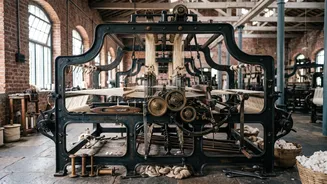
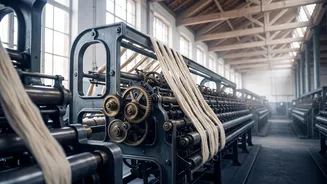
While cotton has been grown for centuries, the industrial revolution in Coimbatore truly began in the late 19th century. The first major step was the establishment of the Coimbatore Spinning and Weaving Mills in 1888 by Sir Robert Stanes. This mill, popularly known as Stanes Mill, marked the city's transition from a cotton-growing area to an industrial hub. The arrival of the railway and the subsequent commissioning of the Pykara hydroelectric project in 1932 provided two critical ingredients: connectivity to ports and an abundant supply of cheap power. This triggered a boom in the 1930s, with many local agrarian entrepreneurs seeing spinning as a natural extension of their farming activities. Visionaries like G. Kuppuswamy Naidu, who founded the iconic Lakshmi Mills in 1910, were inspired by these early mills and went on to build their own textile empires.
An Ecosystem of Innovation and Enterprise
Coimbatore didn't just become a city of mills; it developed a complete, self-sustaining textile ecosystem. The proliferation of spinning mills created a demand for machinery and repairs. This led to the rise of foundries and workshops dedicated to servicing the textile industry. Over time, these small workshops evolved into major engineering firms, with companies like Lakshmi Machine Works (LMW) becoming leaders in producing textile machinery. This synergy meant that mills had local access to cutting-edge technology and prompt service, allowing for faster innovation and reduced downtime. Furthermore, the establishment of the South Indian Textiles Research Association (SITRA) and other institutions cemented Coimbatore’s status as a centre for textile research and development. This focus on both production and the technology behind it created a resilient and competitive industrial environment that set the region apart.
Social and Economic Transformation
The growth of the cotton industry had a profound impact on the social and economic fabric of the region. The mills created jobs for thousands of people, attracting workers from surrounding villages and transforming Coimbatore into a bustling metropolis. The industry's success also fostered a culture of entrepreneurship that remains a defining characteristic of the city today. The Southern India Mills' Association (SIMA), established in 1933, played a significant role in advocating for the industry and its workers. It was instrumental in introducing progressive labour practices, such as an eight-hour workday, long before they became national law, showcasing a commitment to worker welfare alongside industrial growth. This industrial boom spurred the development of educational institutions, further enhancing the skilled labour pool and contributing to a cycle of growth that benefited the entire region.