


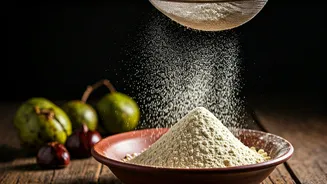


From Humble Staple to Superfood Star
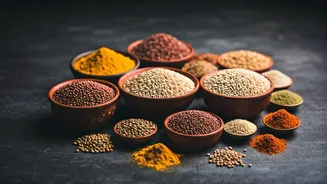
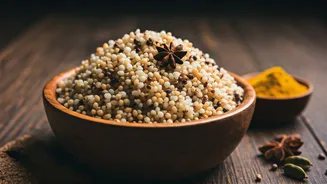
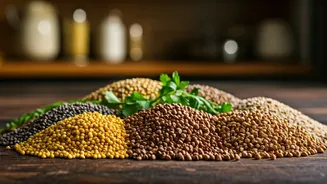
For generations, bajra, or pearl millet, has been a cornerstone of diets in rural India, valued for its resilience in harsh climates and its ability to provide sustenance. Traditionally ground into flour for bhakri or cooked into hearty porridges, this
ancient grain was often seen as simple, everyday fare. However, a modern wellness wave is repositioning bajra from a humble staple to a celebrated superfood. As urban consumers increasingly seek out nutritious, gluten-free, and indigenous ingredients, bajra is experiencing a remarkable renaissance. This renewed interest is not just about health; it's about rediscovering and celebrating India's rich agricultural heritage in a contemporary context, with cafes and health-conscious home cooks leading the charge.
The Nutritional Powerhouse
The buzz around bajra is backed by serious nutritional credentials. It is a gluten-free grain, making it an excellent choice for individuals with celiac disease or gluten sensitivity. It is packed with insoluble fibre, which aids digestion, promotes a feeling of fullness, and can help with weight management. Bajra is also a rich source of essential minerals. It boasts high levels of magnesium, which is crucial for heart health and regulating blood pressure, along with potassium. Furthermore, it provides significant amounts of iron to combat anaemia, phosphorus for bone strength, and zinc for immune function. Its complex carbohydrates provide sustained energy release, unlike refined grains that can cause blood sugar spikes, making it a favourable option for managing diabetes.
Why Salads? The Perfect Modern Makeover
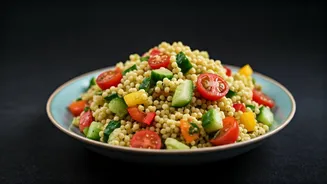
The transformation of bajra is most evident in its adoption as a salad base. But why does this format work so well? When cooked, whole pearl millet grains have a delightful, slightly chewy texture and an earthy, nutty flavour that provides a satisfying foundation for a salad. This texture contrasts beautifully with crunchy vegetables, creamy dressings, and soft cheeses. Unlike leafy greens alone, bajra makes a salad a complete, substantial meal. Its ability to absorb dressings without becoming soggy means it’s perfect for meal prep. Chefs and food bloggers have found that cooked bajra serves as a versatile canvas, pairing equally well with a zesty lemon vinaigrette or a spicy yoghurt-based dressing, making it adaptable to countless flavour profiles from Mediterranean to classic Indian.
Crafting the Perfect 'Cafe Content' Bowl
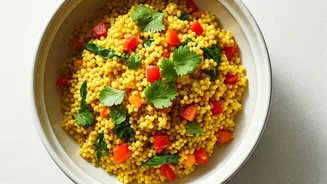
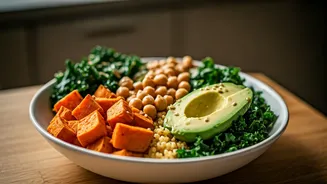
The visual appeal of bajra salads is undeniable, making them prime “cafe content.” To create your own photogenic and delicious bowl, start with properly cooked bajra. To prepare it, soak the grains overnight and then pressure cook them until tender, which usually takes about 7-8 whistles. Once cooled, the grains are ready to be mixed with a vibrant array of ingredients. Think colourful bell peppers, grated carrots, juicy tomatoes, and crisp cucumbers. For a protein boost, add chickpeas, paneer, or shredded chicken. Healthy fats can be incorporated with avocado or a sprinkling of toasted sesame or pumpkin seeds. The final touch is a flavourful dressing—a simple mix of lemon juice, olive oil, and black pepper works wonderfully, or you can try a creamy hung curd dressing for a richer taste. The result is a meal that’s as pleasing to the eye as it is to the palate.
More Than Just a Passing Trend
The rise of the bajra salad is more than just a fleeting food trend; it signifies a deeper shift in India’s food culture. It reflects a growing pride in local ingredients and a collective move away from imported ‘superfoods’ like quinoa in favour of our own nutritional powerhouses. This movement champions sustainable eating by promoting hardy, drought-resistant crops like millets that are well-suited to the Indian climate. As chefs continue to innovate and home cooks embrace these grains, bajra is solidifying its place in the modern Indian kitchen. It’s a celebration of food that is both globally relevant in its presentation and deeply rooted in Indian tradition, proving that healthy eating can be delicious, accessible, and incredibly inspiring.