






The Big Change: Front-of-Pack Warnings
For years, the most important nutritional data was hidden in small print on the back of the packet. The biggest change is the move towards Front-of-Pack Labelling (FOPL). The Food Safety and Standards Authority of India (FSSAI) is working to make it mandatory
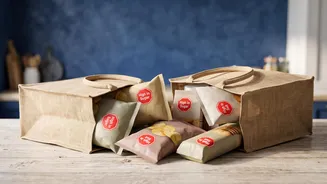
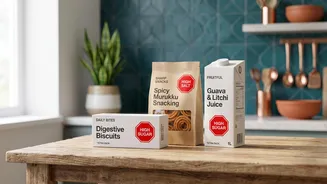
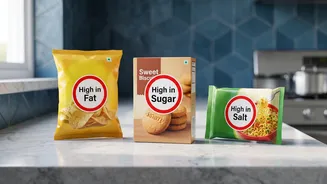
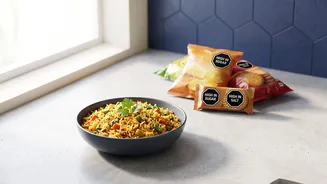
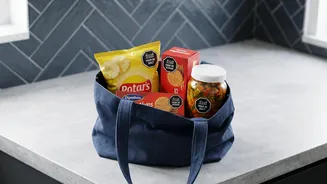
for packaged foods to display clear warnings on the front if they are high in unhealthy nutrients. This means you will no longer have to hunt for the information. Instead, a simple, visible marker will quickly tell you if a product is high in fat, sugar, or salt (HFSS), helping you make an informed choice at a single glance.
Understanding 'High In' (HFSS) Labels
The core of the new system is the warning for foods classified as HFSS – High in Fat, Sugar, or Salt. FSSAI has been working on defining clear thresholds for these nutrients, based on recommendations from the Indian Council of Medical Research (ICMR). While the final design is being implemented, the proposal includes a red hexagonal warning symbol to highlight these products. The idea is simple: if you see this warning, it’s a signal to pause and consider if the product is an everyday staple or a 'once-in-a-while' treat. This tackles the confusion created by marketing claims like “natural” or “multigrain” on packages that may still be loaded with sugar or fat.
Don't Ignore the Back of the Pack
While front-of-pack warnings are a helpful shortcut, the back of the label still holds vital information. FSSAI rules require all ingredients to be listed in descending order by weight. This is the most honest part of the label. If sugar, refined flour (maida), or palm oil are in the first three ingredients, you know what the product is mostly made of, regardless of front-of-pack claims. Also, look for hidden sugars under names like glucose, fructose, sucrose, or maltose. Checking the full ingredients list gives you the complete picture of what you’re eating.
Use the 'Per 100g' Column for Comparisons
Nutrition panels often show information 'per serving' and 'per 100g'. The 'per serving' numbers can be misleading because manufacturers can set unrealistically small serving sizes. For example, a packet of chips might list calories for a 30g serving, even though most people eat more than that. The 'per 100g' column is your best tool for making fair comparisons. When you're deciding between two brands of biscuits, for instance, compare their sugar, fat, and sodium content per 100g to see which one is genuinely the healthier option.
What Foods Are Exempt?
It's important to know that not all foods will have these labels. The regulations for front-of-pack warnings are intended for processed, packaged foods. There will be exemptions for certain products. These typically include single-ingredient foods and products that are inherently high in fat or sugar, such as ghee, edible oils, honey, jaggery, and salt itself. Raw and fresh produce like fruits and vegetables are also exempt, as are foods prepared and sold for immediate consumption in restaurants.