






A New Space Race, Driven by Startups
For decades, a career in India's space sector meant one thing: securing a coveted position at the Indian Space Research Organisation (ISRO). Today, the landscape is virtually unrecognisable. Thanks to government policy shifts, including the establishment
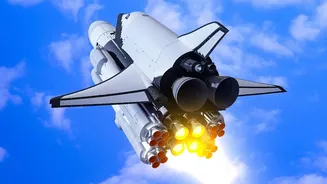
of IN-SPACe in 2020 to facilitate private participation, India is witnessing a private space revolution. As of 2026, hundreds of space-tech startups are actively building everything from launch vehicles to satellite constellations. Companies like Skyroot Aerospace, Agnikul Cosmos, and Pixxel are not just testing concepts; they are launching rockets, deploying satellites, and attracting significant funding. This rapid expansion has ignited a fierce demand for talent, creating a vibrant job market that moves at the speed of a startup, not a government agency. This shift is turning the dream of a space career into a far more accessible reality for thousands of Indians.
Beyond the Rocket Scientist: The New Roles
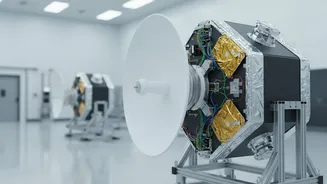
The popular image of a space career often involves an engineer in a cleanroom or an astronaut. While those roles are crucial, they represent a tiny fraction of the opportunities available. The real growth is in a diverse range of specialisations. Hardcore engineering remains the foundation, with high demand for aerospace, mechanical, and avionics engineers who work on the physical hardware of rockets and satellites. However, the biggest differentiator for India's space-tech sector is software and data. Companies like Pixxel, which build constellations of Earth-observation satellites, need vast teams of data scientists, GIS analysts, and software developers to turn petabytes of raw satellite data into actionable insights for agriculture, climate monitoring, and urban planning. This data-centric approach is creating a wealth of opportunities for those with skills in AI, machine learning, and programming languages like Python.
The Support Constellation: Non-Technical Careers
A thriving industry needs more than just technical experts. As space startups grow from small teams into complex commercial enterprises, they are actively hiring for roles that make the business run. One of the most critical emerging fields is space law and policy. These companies need legal experts who can navigate the complex web of international treaties, spectrum allocation, and intellectual property rights that govern activities in space. Similarly, business development managers, project managers, and finance professionals are essential for securing funding, managing multi-year projects, and building commercial partnerships. Even roles in marketing, communications, and human resources are becoming common as these startups build their brands and compete for talent. One startup, Dhruva Space, lists openings for roles as varied as Legal Associate and Travel Coordinator alongside its engineering positions, showing the breadth of skills required.
Who's Hiring and What Skills Are in Demand?
The hiring hotspots are concentrated in India's tech hubs, particularly Bengaluru, Hyderabad, and Chennai. The most prominent recruiters in the private sector include Skyroot Aerospace (launch vehicles), Agnikul Cosmos (3D-printed rocket engines), Pixxel (hyperspectral satellite imagery), and Dhruva Space (satellite platforms). While a degree in aerospace or mechanical engineering is a direct path in, these companies are aggressively hiring computer science and electronics engineers. A strong foundation in physics and mathematics is fundamental. Beyond degrees, practical skills in software like MATLAB and CAD, programming proficiency, and an understanding of embedded systems are highly valued. Increasingly, startups are looking for people who can work across disciplines, combining technical knowledge with a commercial mindset to solve complex problems in a fast-paced environment.