



The Land of Alpine Treasures
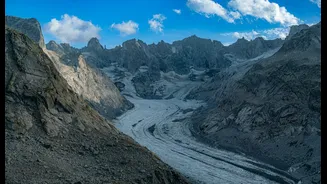
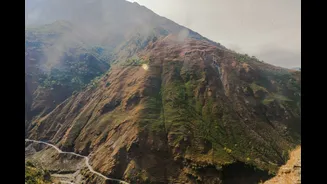
Sikkim, a small state nestled in the eastern Himalayas, is a land of dramatic landscapes. Its elevation ranges from subtropical valleys to soaring alpine peaks, creating distinct microclimates that give rise to incredible biodiversity. This region is home
to over 400 species of medicinal and aromatic plants, a natural pharmacy that indigenous communities have relied upon for centuries. The air is pure, the soil is rich, and the flora is potent. It is in these high-altitude meadows, often above 3,000 metres, that the herbs for these special infusions are found. Plants like Jatamansi, known for its calming aroma, and various species of Aconitum, used cautiously in traditional remedies, are part of this botanical wealth. This unique geography is the foundation of the infusion’s authentic character.
Harvesting by Hand and Heritage
The term 'hand-harvested' is more than a quaint description; it is a practice of profound ecological and cultural importance. For communities like the Lepcha, Sikkim's original inhabitants, foraging is a way of life governed by deep respect for nature. This traditional knowledge, passed down orally from one generation to the next, dictates which plants to pick, the right time for harvesting to ensure peak potency, and how much to leave behind to allow for regeneration. Healers, known locally as 'Maon daok', possess an intricate understanding of this ecosystem. The harvest is not a commercial transaction but a careful, sustainable ritual that maintains the delicate balance of the mountain environment. It’s a physically demanding task, performed with precision to ensure that only the finest leaves, roots, or flowers are collected.
The Alchemy of Smoke and Water
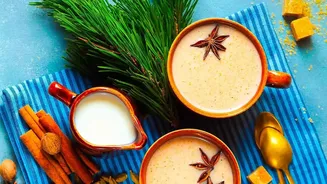
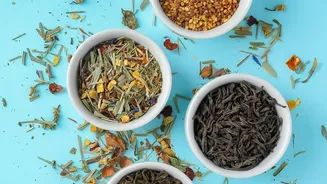
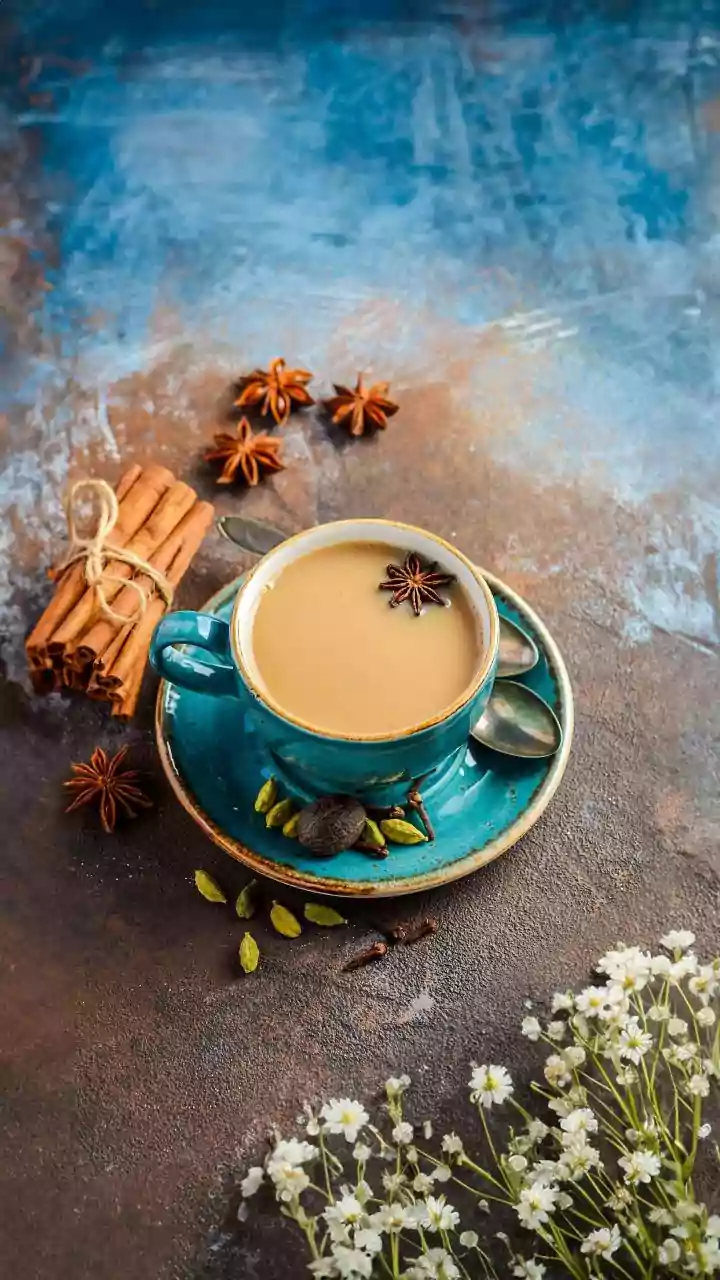
Once harvested, the herbs undergo a unique preservation process that defines the final product: smoking. Smoking is an ancient technique used worldwide to preserve food by dehydrating it and imparting flavour. In Sikkim, it is a common method used for everything from cheese (chhurpi) to meat. For the herbal infusions, a cold-smoking process is often used, where the herbs are exposed to smoke at low temperatures. This method carefully dries the herbs, locking in their aromatic compounds without cooking them. The smoke itself, typically from specific types of wood, adds a complex, earthy layer to the herbs' natural fragrance. The final step is the infusion. Unlike many milky beverages, this drink is traditionally dairy-free. The smoked herbs are steeped in hot water, releasing their concentrated flavours and creating a beverage that is both invigorating and deeply comforting.
A Taste of Tradition
The resulting smoked herbal infusion is a sensory experience that tells the story of its origin. The flavour profile is layered and complex—at once floral, herbaceous, and grounded by a distinct smokiness that lingers on the palate. It is a world away from mass-produced herbal teas. This drink is not just a beverage; it is a continuation of a cultural legacy. It represents a form of sustainable commerce that supports local communities and preserves their invaluable traditional knowledge. By choosing products made with such care, consumers participate in a story of resilience, nature, and the quiet wisdom of the mountains. It is an authentic taste of the Himalayas, connecting the drinker to the hands that harvested the herbs and the ancient traditions that brought them from the mountain slopes to the cup.