
Kathal ki Sabzi (Raw Jackfruit)
Long before it became a global vegan sensation, raw jackfruit (kathal) was a staple in Indian kitchens, prized for its dense, meaty texture. This North Indian preparation transforms the unripe fruit into a spectacular dry or semi-gravy dish. When cooked
with onions, tomatoes, and a host of spices like cumin and coriander, kathal absorbs the flavours beautifully, offering a fibrous, satisfying bite that’s unlike any other vegetable. The challenge of peeling its spiky exterior is perhaps why it remains a home-style hero rather than a restaurant regular, but the delicious result is well worth the effort.
Mochar Ghonto (Banana Flower)
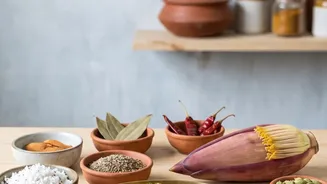
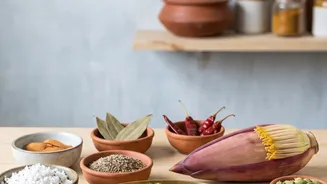
A celebrated delicacy in Bengali cuisine, Mochar Ghonto is a stir-fry made from the banana blossom, or 'mocha'. This ingredient requires patience; each floret within the large, purplish blossom must be cleaned individually before being chopped and cooked. The flavour is subtly astringent and nutty, with a texture reminiscent of artichoke hearts. Typically cooked with potatoes, grated coconut, and aromatic spices, this semi-dry dish is a testament to resourceful cooking, turning a part of the banana plant that is often discarded into a true delicacy.
Petha Sabzi (Ash Gourd)
While many know petha as the translucent sweet from Agra, its raw form, the ash gourd, is a wonderfully versatile vegetable. In states like Uttar Pradesh and Bihar, Petha Sabzi is a simple, comforting curry. The gourd itself has a very mild, almost neutral flavour and a watery, tender texture that soaks up the surrounding spices, whether it's a simple turmeric and cumin tempering or a more complex mustard-based masala. It's light, easy to digest, and incredibly hydrating, making it a perfect example of how everyday ingredients can create nourishing meals.
Arbi ke Patode (Colocasia Leaves)
Colocasia leaves, or arbi ke patte, are the star of this savoury snack popular across Gujarat, Maharashtra, and North India. The large, heart-shaped leaves have a distinct flavour and a tendency to cause throat irritation if not prepared correctly. To make patode, the leaves are layered with a thick, tangy paste of gram flour (besan) and spices, rolled into tight logs, steamed, and then sliced into rounds that are either shallow-fried or tempered. This meticulous process neutralizes the itchiness and results in a firm, flavour-packed snack with a delightful texture.
Sahjan ki Sabzi (Moringa/Drumstick)
While drumsticks are a familiar sight in South Indian sambar, this North Indian sabzi gives the slender pods the spotlight. Known as 'sahjan' or 'moringa', the drumstick has a subtly sweet, asparagus-like flavour locked within its tough, fibrous exterior. The dish often involves simmering cut pieces of the pod in a spiced tomato or yogurt-based gravy until they become tender enough to be scraped with your teeth. The tree's leaves are also incredibly nutritious and can be stir-fried into a delicious 'bhaja' or sabzi.
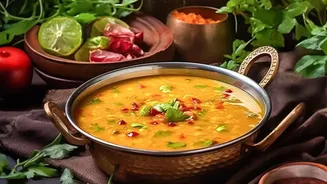
Kollu Rasam (Horse Gram)
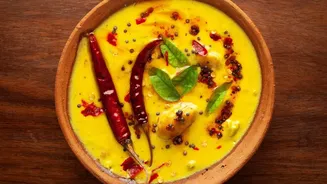
Horse gram, or 'kollu', is a tiny, resilient lentil that packs an outsized punch in flavour and nutrition. Predominantly used in South Indian cuisine, this earthy, robust lentil is the base for Kollu Rasam, a peppery and tangy soup. The traditional process involves cooking the horse gram and using its nutrient-rich broth ('kattu') to create the rasam, which is tempered with mustard seeds, garlic, and curry leaves. It's a deeply warming and comforting dish, perfect for cold weather, yet this powerful lentil rarely gets the same attention as its more common counterparts like toor or moong dal.
Lingri ki Sabzi (Fiddlehead Ferns)
A seasonal delicacy from the Himalayan states like Himachal Pradesh and Uttarakhand, 'lingri' or fiddlehead ferns are the coiled, young shoots of a wild fern. Foraged from forests for a very short period in the spring and early summer, this vegetable is a true taste of the mountains. With a flavour and crunch often compared to asparagus or green beans, lingri is typically stir-fried with simple spices like cumin and turmeric, and sometimes finished with a dash of curd for tanginess. Its fleeting availability and wild origins make it a prized ingredient in local homes.
Singhara ki Sabzi (Water Chestnut)
Far from being just a source of fasting flour, fresh water chestnuts ('singhara') are a fantastic seasonal vegetable. Available in the pre-winter months, these aquatic tubers have a crisp, crunchy texture and a mildly sweet taste. A simple home-style sabzi, often cooked with a tomato and ginger-based gravy, allows the water chestnut's unique texture to shine. It provides a delightful crunch that doesn't soften much during cooking, offering a contrast to the soft potatoes it's often paired with. It's a humble ingredient that brings an unexpected and refreshing element to the dinner plate.