
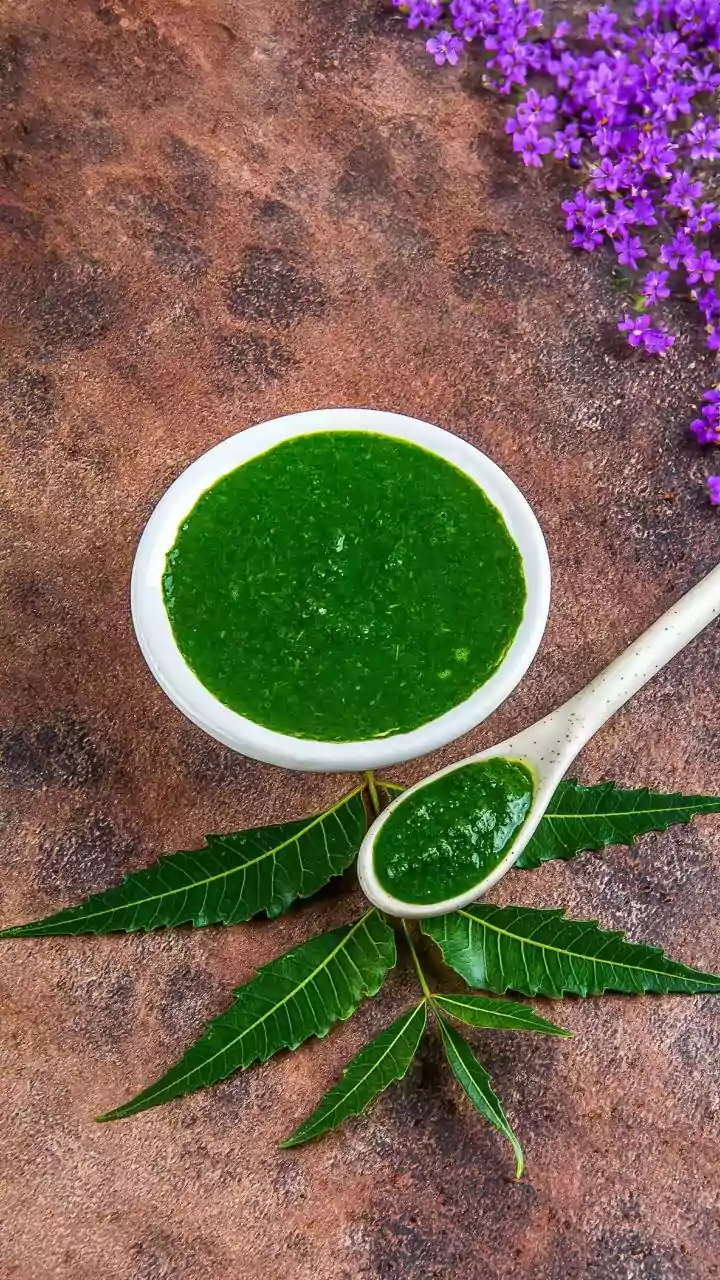







Your Plant’s New Best Friend
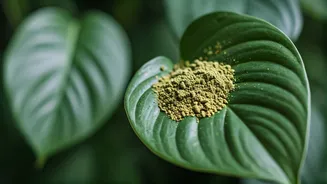
Neem cake powder is a completely organic byproduct of neem oil production. [15] After neem seeds are cold-pressed to extract their valuable oil, the remaining solid residue is dried and ground into a powder. [2, 3] This humble material, known as 'neem
khali' in India, has been used for centuries in agriculture as both a fertiliser and a pesticide. [2, 8] It’s packed with essential plant nutrients like nitrogen, phosphorus, and potassium (NPK), but its real magic lies in its bioactive compounds, most notably azadirachtin. [3, 5] This makes it a dual-action hero for your garden, feeding your plants while protecting them.
A Monsoon Must-Have
The high humidity and constant dampness of the Indian monsoon create a perfect environment for pests to multiply rapidly. [10] Houseplants, with their consistently moist soil, become an open invitation for intruders like fungus gnats, mealybugs, and spider mites. [13] Neem cake powder is particularly effective during this season because it works systemically from the soil up. Unlike sprays that can be washed away by rain or high humidity, neem cake integrated into the soil provides a long-lasting protective barrier around the roots. [6] It also helps improve soil structure and aeration, preventing the dreaded root rot that can plague overwatered plants during the rains. [9, 13]
How It Fights Pests
Neem cake powder doesn't kill pests on contact like chemical pesticides. Instead, its active ingredient, azadirachtin, works in a more clever, sustainable way. [5, 18] When mixed into the soil, the compound is absorbed by the plant's roots. Any pest that tries to feed on the plant ingests the azadirachtin, which disrupts its hormonal system. [17] It acts as an anti-feedant, making the plant taste bad, and also inhibits the pest's ability to grow and reproduce, effectively breaking their life cycle without harming beneficial insects like bees and earthworms. [7, 18] It's particularly effective against common soil-borne pests like nematodes and fungus gnat larvae. [6, 18]
Method 1: Mixing into Soil
The best time to use neem cake powder is when you are potting or repotting a plant. This ensures protection from the very beginning. For a standard 10-12 inch pot, a general guideline is to mix about two handfuls (around 50-100 grams) of neem cake powder thoroughly into your potting mixture. [4, 6] This will create a fortified soil environment that provides a slow release of nutrients and continuous pest protection for several weeks. [8, 9] The powder will gradually break down, enriching the soil and keeping root-munching pests at bay.
Method 2: Top Dressing for Existing Plants
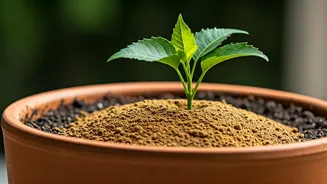
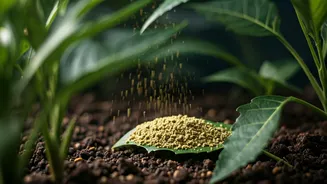
For plants that are already potted, top dressing is the easiest method. Simply sprinkle a thin layer of neem cake powder onto the topsoil around the base of the plant. A tablespoon or two is usually sufficient for a medium-sized pot. [24] Gently work the powder into the top inch of the soil with a small trowel or your fingers, being careful not to disturb the roots. Water the plant thoroughly afterwards. [6] This helps the beneficial compounds seep down into the root zone. Repeat this process every 4-6 weeks during the monsoon for continued protection. [6, 16]
Method 3: Making a Liquid 'Neem Tea'
For a quicker nutrient boost and pest-fighting drench, you can create a liquid fertiliser, or 'neem tea'. Mix about 100 grams of neem cake powder into 5 litres of water and let it steep for 12 to 24 hours, stirring occasionally. [3, 4] The water will turn dark as it absorbs the nutrients and active compounds. [4] You can strain this liquid through a cloth or use it as is to water your plants thoroughly, ensuring you drench the soil completely. [18] This method delivers the benefits directly to the roots and is an excellent way to tackle an active infestation of fungus gnats. [18]
A Few Words of Caution
While neem cake is a wonderful natural product, it’s good to be aware of a few things. It has a distinct, strong, earthy smell which can be quite potent indoors, though it usually dissipates after a day or two. While it is organic, it's still best to keep the powder away from children and pets. [2] Some very sensitive plants might react to it, so if you're unsure, it's always wise to test it on a small scale first. Lastly, use it judiciously; while it's a slow-release fertiliser, using too much can be overpowering for your plants. [4]