






A Roar for the Ages
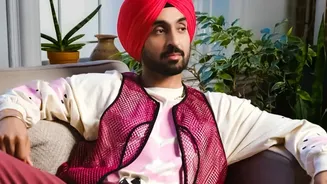
As the lights dimmed and the opening notes of a familiar folk classic echoed through the stadium, a different kind of energy surged through the crowd. It was a moment of collective recognition. Diljit Dosanjh, the global superstar, was paying homage to
the legends who paved the way for him. His recent performances on his world tour have been marked by powerful tributes to artists like Amar Singh Chamkila and Nusrat Fateh Ali Khan. At Wembley, his renditions of their iconic songs were not just covers; they were heartfelt acknowledgements of his musical lineage, performed on one of the world's most iconic stages. The audience, a mix of generations, sang along, bridging the gap between past and present. The performance was a powerful reminder that while Dosanjh may be a modern icon, his soul is deeply connected to the foundational sounds of Punjab.
The Enduring Legacy of the Originals
To understand the weight of this moment, one must understand the legacy of the artists being honoured. Figures like Amar Singh Chamkila, often called the 'Elvis of Punjab', were more than just singers; they were social commentators and folk heroes. In the 1980s, Chamkila’s raw and audacious lyrics spoke about the unfiltered realities of village life, love, and social issues, making him a phenomenon. His music, performed in open-air 'akharas', resonated deeply with the masses but also courted controversy for challenging conservative norms. His tragic assassination in 1988 at the age of 27 left a void in Punjabi music, but his influence has only grown since. By performing Chamkila’s work, Dosanjh isn't just singing a classic; he's reintroducing a revolutionary voice to a new global generation.
Diljit: The Global Cultural Ambassador
Diljit Dosanjh has built a career on breaking barriers—from being the first Punjabi artist to perform at Coachella to selling out stadiums worldwide. Yet, his success is equally defined by his refusal to abandon his roots for mainstream appeal. He performs almost exclusively in Punjabi, proving that language is no barrier to universal acclaim. Dosanjh often speaks about how his platform was built on the efforts of his predecessors. Before his shows, he has been known to reflect on the influence of legends like Gurdas Maan, Kuldeep Manak, and Surinder Shinda. This humility and reverence set him apart. He sees himself not just as a star, but as a custodian of a rich cultural tradition, tasked with carrying it forward. His Wembley show was the ultimate expression of this role: a celebration of Punjabi identity on a global stage, presented unapologetically and with immense pride.
Old Gold, New Stage
The trend of modern artists reviving classic songs is not new, but Dosanjh’s approach feels different. It's less about a commercial remix and more about genuine preservation. These tributes are a core part of his live identity. In an era of fleeting digital trends, these moments serve as a powerful anchor, reminding a young audience of the timelessness of their culture's art. By weaving these classics into a setlist filled with his own hip-hop and pop-infused hits, Dosanjh creates a seamless musical narrative. He demonstrates that the rebellious energy of Chamkila and the soulful depth of Nusrat Fateh Ali Khan are part of the same continuum that produces today's global Punjabi hits. It’s a masterclass in cultural continuity, showing that to know where you are going, you must honour where you came from.