






Why Protein is a Priority
Protein is a fundamental building block for a growing child's body. It is essential for the development of muscles, organs, and tissues. Beyond just growth, adequate protein is crucial for a strong immune system, helping the body fight off infections,
and for brain development, which impacts cognitive function and learning. Children who don't get enough protein may experience fatigue, poor concentration, and slowed growth. In a child's early years, a significant portion of the protein they eat is used directly to support rapid growth, making it a non-negotiable part of their daily diet.
How Much Protein Do Kids Need?
The amount of protein a child needs varies by age and weight. According to guidelines from the Indian Council of Medical Research (ICMR), a toddler (1-3 years) needs about 13-16 grams per day. This increases to about 19-20 grams for a preschooler (4-6 years) and 23-34 grams for a school-aged child (7-13 years). While these numbers can be a helpful guide, a simpler way to think about it is ensuring that every main meal includes a good quality protein source. Many Indian children's diets can be heavy on carbohydrates like rice and roti, so consciously adding a protein component is key.
Power-Packed Vegetarian Proteins
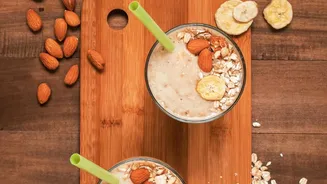
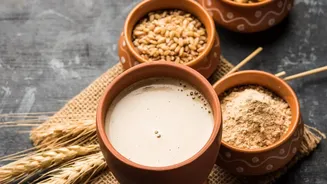
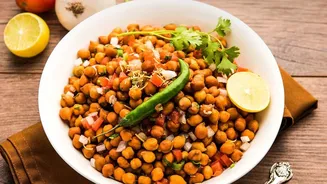
For many Indian families, vegetarian sources are the primary providers of protein. Fortunately, the options are plentiful and already part of traditional cuisine. Dals and pulses like moong, masoor, chana, and rajma are excellent choices. Dairy products such as milk, curd (yogurt), and paneer are complete proteins and also provide calcium for bone health. Soya, in the form of chunks or tofu, is one of the richest plant-based protein sources available. Nuts and seeds like almonds and peanuts are also valuable, and can be added as powders to milk or porridge for younger children to avoid choking hazards. Millets like ragi and jowar are also good sources of protein and other micronutrients.
The Importance of Variety
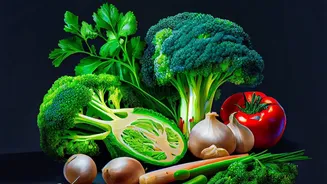
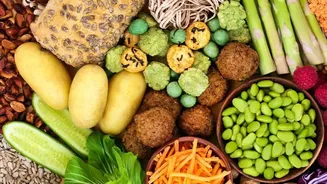
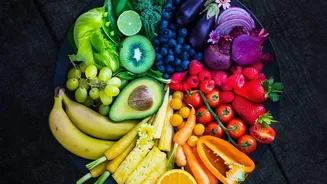
While ensuring enough protein is vital, dietary variety is just as critical. Different foods provide different vitamins, minerals, and fibres that are essential for overall health. Relying on just a few favourite foods can lead to nutritional gaps. The concept of ‘eating the rainbow’ is a simple and effective way to ensure a wide range of nutrients. Introducing a variety of fruits and vegetables helps develop a child's palate and prevents the onset of picky eating habits. A varied diet supports a healthy gut microbiome, which is linked to everything from digestion to immunity.
Tips for Encouraging Variety
Expanding a child's diet can feel like a battle, but small strategies can make a big difference. One effective method is to introduce a new food alongside a familiar favourite. Portions of the new food can be very small at first. Involving children in meal preparation, such as washing vegetables or mixing ingredients, can make them more likely to try the finished dish. Another tip is to serve meals family-style, allowing children to serve themselves, which gives them a sense of control and independence. Remember that it can take multiple exposures—sometimes as many as 15—for a child to accept a new food, so patience and persistence are key.