


More Than Just a Food Tour
This is not your average food tour. It’s a carefully curated journey into the heart of a city's history, led by a new generation of culinary storytellers. These guides, often chefs, food historians, or passionate local experts, are doing more than just
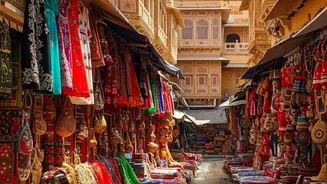
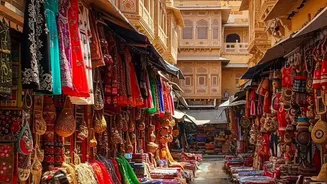
pointing out the best places to eat. They are using food as a lens to explore centuries of culture, architecture, and community. They connect the flavours of a dish to the waves of migration that brought it there, explain how a certain spice shaped trade routes, and introduce you to the families who have perfected these recipes over generations. The result is a multi-sensory experience that transforms a simple walk into a deep dive into a city's soul. These forgotten lanes, once seen as chaotic backstreets, are being reframed as essential sightseeing destinations.
Delhi: Tasting History in Chandni Chowk
In the labyrinthine alleys of Old Delhi's Chandni Chowk, this trend is in full swing. Guides lead small groups away from the main thoroughfares into hidden lanes, each with its own specialty. Here, the story is about the transition from the Mughal era to the present day. A stop for a flaky, ghee-laden paratha in Parathewali Gali comes with a story about the street's founding families. Tasting a rich, slow-cooked korma is accompanied by tales of Mughal courtly dining. These experts, like the food historians who scour the area for lost recipes, provide a context that turns a meal into a history lesson. They offer access to legendary vendors and ensure a hygienic experience, demystifying the wonderful chaos of Old Delhi’s street food scene for visitors and locals alike.
Ahmedabad: Weaving Food into the 'Pols'
In Ahmedabad, India's first UNESCO World Heritage City, the focus is on the 'pols'—centuries-old residential clusters with unique architecture and a strong sense of community. Culinary walks here are designed to integrate seamlessly with the city's famed heritage walks. As you wander through narrow lanes, past intricately carved wooden havelis, the food tells the story of the communities that have lived here for generations. The experience moves from the morning bustle of Manek Chowk, which transforms from a vegetable market into a dazzling open-air food court at night, to tasting traditional Gujarati snacks like fafda and jalebi. The culinary experts here are custodians of local lore, explaining how community life unfolds around shared courtyards and how food is central to the social fabric of these historic neighbourhoods.
Kolkata: A Melting Pot of Flavours
Kolkata's culinary scene is a vibrant reflection of its history as a colonial capital and a melting pot of cultures. Food tours here are an exploration of this diverse heritage. An expert guide might start you with Bengali classics like 'puchkas' and 'sandesh' from decades-old sweet shops on College Street. The journey could then meander towards Burrabazar to sample dishes brought by Marwari traders, or to a historic cafe to taste the lingering influence of the British. These guides are cultural interpreters, explaining the stories behind Indo-Chinese specialties born in the city's own Chinatown or the iconic kathi roll. They transform a tasting tour into a narrative about the communities whose culinary gifts have shaped Kolkata's identity.
The Birth of a New Cultural Landmark
What these culinary experts are creating is fundamentally new. They are turning ephemeral experiences—the taste of a snack, the smell of a spice market—into tangible cultural assets. This 'gastronomification' of urban spaces, as some urbanists call it, is reshaping neighbourhoods. By bringing respectful, curated tourism into these old lanes, they provide a sustainable economic boost to long-standing local vendors. More importantly, they foster a renewed appreciation for the living heritage found in these spaces, ensuring that the stories and flavours that define a city are not just preserved, but celebrated for a new generation.