






What Exactly Is Ambali?
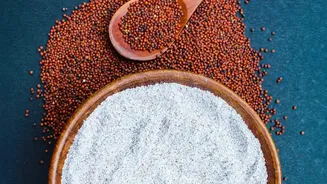
Ambali is a fermented porridge or beverage with ancient roots, particularly popular in the southern states of India like Karnataka, Andhra Pradesh, and Telangana. It is traditionally made from millets, most commonly ragi (finger millet), but also from others
like jowar (sorghum). The preparation is simple: millet flour is cooked into a paste or porridge, which is then allowed to ferment, typically overnight. This process gives Ambali its characteristic mild, tangy flavour and a host of health benefits. Often called the “poor man’s milk,” this superfood has been a staple for generations, valued for its ability to cool the body and provide sustained energy.
The Probiotic Power of Fermentation
The magic of Ambali lies in its natural fermentation. When the cooked millet porridge is left to sit, it encourages the growth of beneficial bacteria, such as lactobacillus. These are the same kinds of healthy microbes found in yogurt and other probiotic foods. This community of good bacteria is essential for a thriving gut microbiome, which plays a crucial role in everything from digestion and nutrient absorption to immunity. By promoting a healthy balance of gut flora, the probiotics in Ambali can help improve digestion, reduce bloating, and enhance your body's natural defences.
A Clean, Dairy-Free Probiotic Source
For those who are lactose intolerant, vegan, or simply looking to reduce their dairy intake, Ambali is an exceptional alternative to common probiotic sources like yogurt and kefir. The basic recipe involves only millet flour and water, making it entirely plant-based. While some savoury versions may have buttermilk or curd added just before serving for flavour, the fundamental fermentation process is dairy-free. This provides a “clean” source of probiotics, free from the common allergens and sensitivities associated with dairy products, making it accessible to a wider range of people seeking gut-friendly options.
More Than Just a Gut-Friendly Drink
While the probiotic benefits are a major draw, Ambali’s nutritional profile offers much more. Millets like ragi are naturally rich in essential nutrients, including calcium, iron, and dietary fibre. The fermentation process actually makes these nutrients more bioavailable, meaning your body can absorb them more easily. Ragi is renowned for its high calcium content, which is vital for bone health. The drink is also incredibly cooling, making it a perfect choice for India’s hot summer months to help regulate body temperature and stay hydrated. Furthermore, as a high-fibre, low-glycemic-index food, it provides sustained energy release and can help in managing blood sugar levels.
A Taste of Tradition in Modern Times
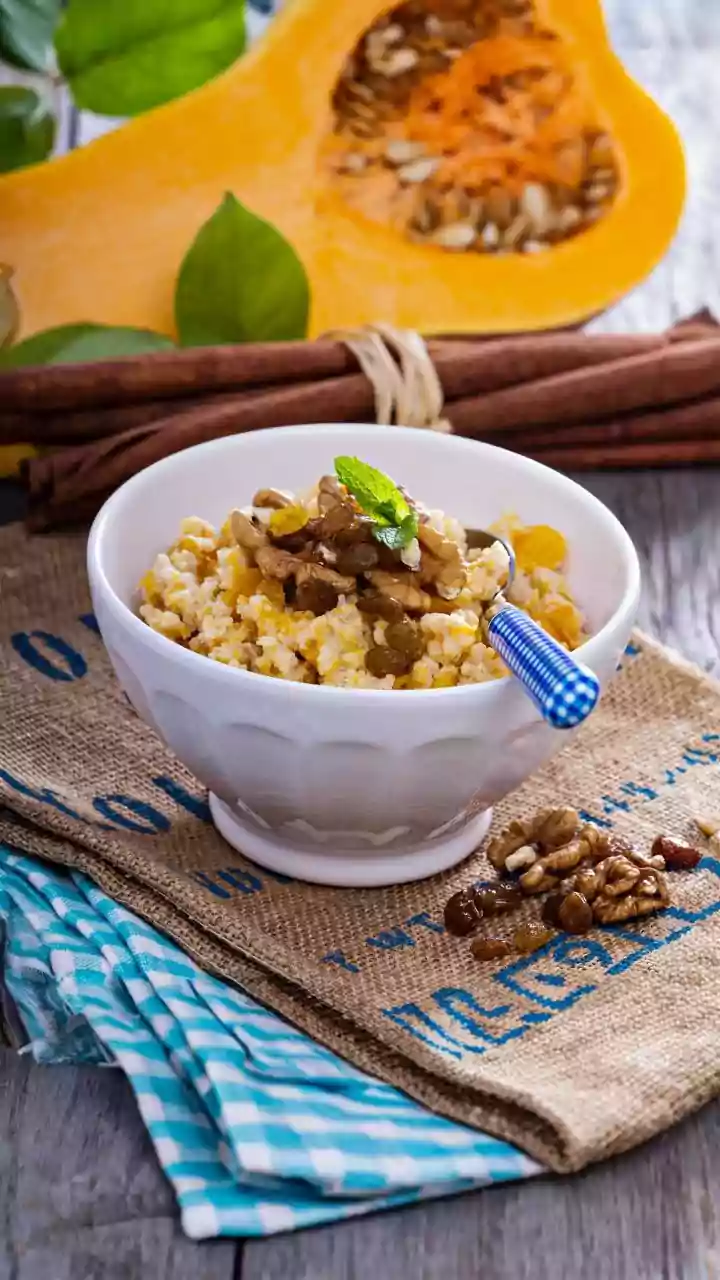
Ambali is not a monolithic drink; it has several regional variations. It might be known as Ragi Koozh in Tamil Nadu or Jonna Ambali when made with jowar. It can be enjoyed in different ways—as a thin, savoury drink mixed with salt, finely chopped onions, and herbs, or as a sweet porridge with jaggery. This versatility is part of its enduring appeal. As more people look towards traditional, sustainable, and natural foods for health, Ambali is being rediscovered as a timeless elixir that perfectly fits contemporary wellness goals. It’s a reminder that sometimes, the most effective health solutions are the simplest ones, passed down through generations.