



Why This Combo is the Perfect Break
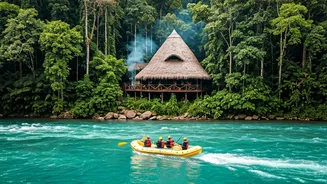
Let’s be honest, college breaks are sacred. They’re a chance to recharge, make memories, and escape the grind of assignments and exams. But typical destinations can be expensive, overcrowded, and predictable. Combining river rafting with a rural eco-stay
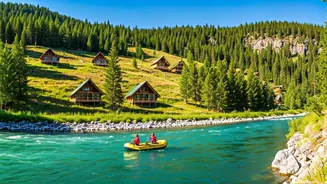
offers the perfect antidote. It’s a trip of two halves: the high-adrenaline thrill of navigating a roaring river with your friends, followed by the deep, restorative peace of a countryside hideaway. This isn't just a vacation; it's an experience. You get your dose of adventure while also supporting sustainable, local tourism. Eco-stays often provide home-cooked meals, a chance to connect with local culture, and a much smaller environmental footprint than a large resort. Plus, for students on a budget, this combination is often far more affordable than conventional travel packages.
Top Spots for Adventure and Serenity
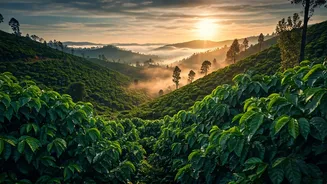
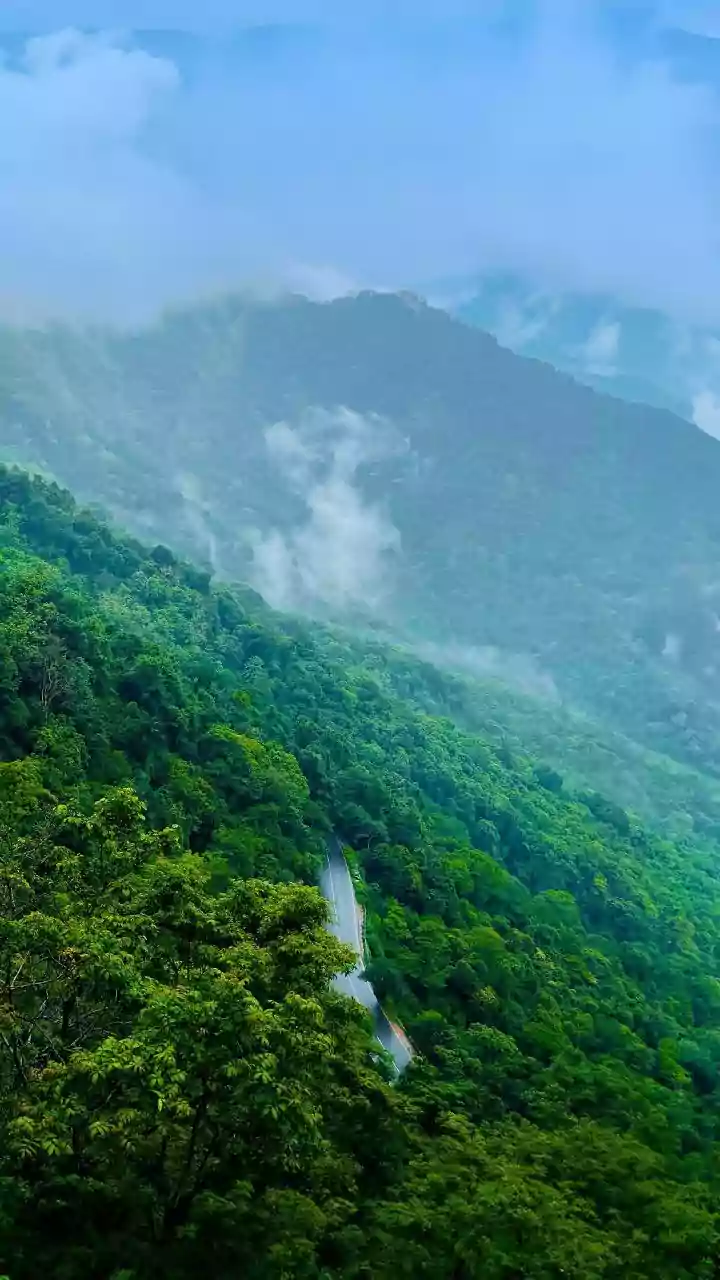
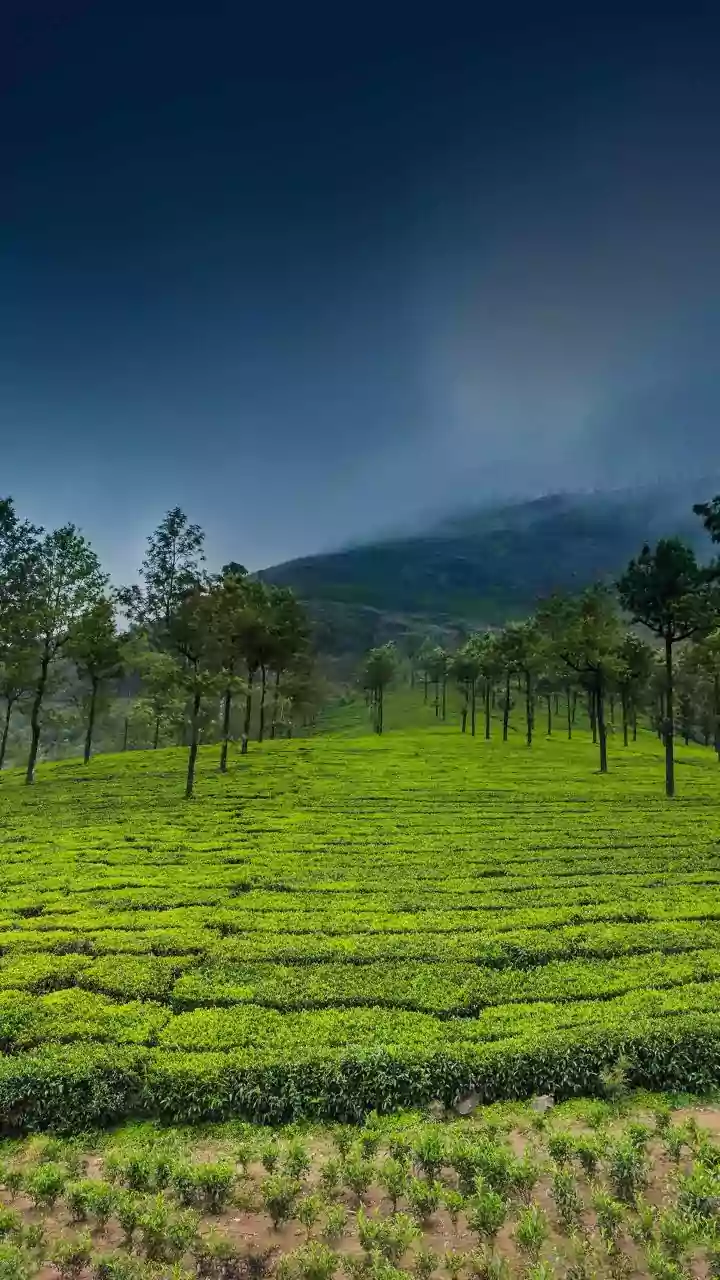
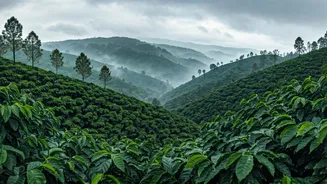
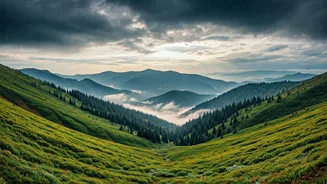
India is blessed with locations that are perfect for this dual-experience trip. Here are a few top contenders: **Rishikesh, Uttarakhand:** The undisputed capital of river rafting in India. The Ganges offers rapids for all levels, from gentle floats to heart-pounding Grade IV challenges. After a day on the water, ditch the bustling town centre and head to one of the many eco-camps or village homestays located just a short drive away in the surrounding hills. Here, you’ll trade temple bells for birdsong and enjoy stunning views of the Himalayan foothills. **Coorg, Karnataka:** For a southern flavour, head to the 'Scotland of India'. During the monsoon season and just after, the Barapole River offers some of the most challenging and exciting rafting in the south. Pair this with a stay in a traditional Kodava homestay nestled within a lush coffee plantation. You can spend your evenings sipping fresh coffee, trekking through the estate, and enjoying the incredible local cuisine. **Sikkim & Darjeeling:** For the truly adventurous, the Teesta River offers a formidable rafting experience with the mighty Himalayas as your backdrop. The rapids here are powerful and the scenery is breathtaking. Afterward, retreat to a village eco-stay in one of Sikkim’s many serene hamlets. You'll get an authentic glimpse into the unique culture of the region, far from the tourist trail.
Know What an Eco-Stay Involves
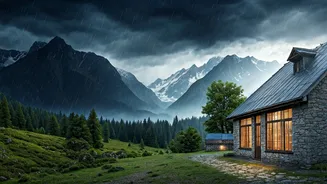
An eco-stay or rural homestay is not a five-star hotel, and that’s the entire point. It’s about sustainable and authentic travel. Expect simple, clean, and comfortable lodging rather than opulent luxury. Your hosts are often local families who are opening their homes and sharing their way of life. This means you’ll likely eat delicious, locally sourced, home-cooked food—a massive upgrade from generic hotel buffets. Wi-Fi might be spotty and power cuts can happen, but that’s part of the charm. It’s a chance to disconnect from your screen and connect with your surroundings and the people you’re with. Embrace the simplicity, ask your hosts about their lives, learn a few words in the local language, and you’ll have a far richer experience.
Your Quick Planning Guide
Ready to make it happen? Here’s a quick checklist to get you started. * **Travel in a Group:** Everything is cheaper and more fun with friends. Rafting, transport, and accommodation costs can be split, making it a very budget-friendly option. * **Book in Advance:** While spontaneity is great, it’s wise to book your rafting operator and your eco-stay ahead of time, especially during peak season or long weekends. Reputable rafting companies get booked up fast. * **Check the Season:** Rafting is a seasonal sport. The best time for Rishikesh is September to June, while Coorg’s Barapole river is best from July to September. Research the ideal window for your chosen destination. * **Pack Smart:** You’ll need two sets of gear. For rafting: quick-dry clothes, sturdy sandals or water shoes, and sunscreen. For the eco-stay: comfortable clothes, a light jacket for cool evenings, a good book, a portable power bank, and an open mind.