



The Great Plant Burnout
For years, the ideal home garden, amplified by social media, seemed to feature a collection of exotic, rare, and often temperamental plants. The pressure to nurture these demanding species has led many aspiring plant parents to experience 'plant burnout'—a
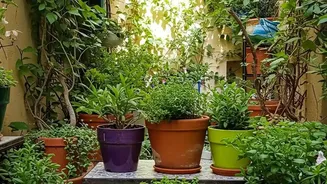
sense of frustration and failure when their green ambitions wither under the strain of complex care routines. This has prompted a significant shift. Today, the focus is moving away from horticultural trophies and towards creating genuinely livable, thriving green spaces. The new goal isn't to impress, but to de-stress. Gardeners are discovering that the most rewarding plant relationship is one that enhances their life, rather than adding another chore to an already packed schedule.
Why Simpler Is Now Smarter
Several factors are driving this turn towards tougher plants. The primary driver is the modern Indian urban lifestyle. With long work hours and busy schedules, the appetite for plants that demand daily attention has waned. Furthermore, there is a growing environmental consciousness. Gardeners are more aware of water conservation, making drought-tolerant species a practical and responsible choice, especially with India's varied and often harsh climate. This pragmatic approach aligns with a desire for sustainability, reducing the need for chemical pesticides and fertilisers that are often required to keep non-native or delicate plants alive. The trend reflects a mature understanding of gardening: working with the local environment, not against it.
Meet the Indoor Champions
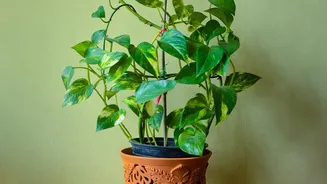
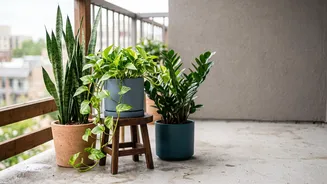
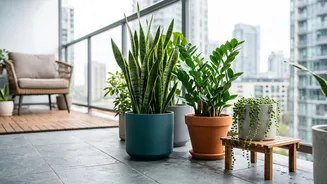
The heroes of this new gardening era are the ones that forgive and forget. Topping the list for indoor spaces are plants renowned for their indestructibility. The Snake Plant is a favourite, celebrated for its ability to survive in low light and with infrequent watering, all while purifying the air. Similarly, the ZZ Plant (Zamioculcas zamiifolia) has become incredibly popular because it thrives on neglect, making it perfect for frequent travellers or forgetful waterers. And of course, the classic Money Plant (Pothos) continues to be a staple, easily growing in both soil and water and trailing beautifully from shelves and windows with minimal fuss. These plants offer the lush, green aesthetic people crave, without the high stakes.
Thriving in the Sun: Outdoor Survivors
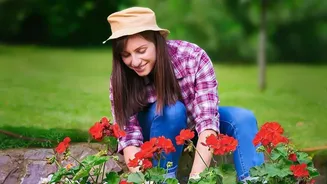
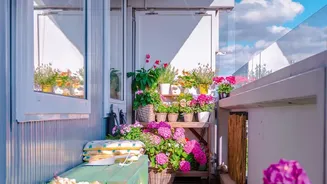
For balconies, terraces, and gardens, the focus is on plants that can withstand the intense Indian sun. Bougainvillea is arguably the queen of resilient outdoor plants, exploding in vibrant colour with very little water once established. It's a common sight on city walls and highways precisely because it flourishes in the heat. Alongside it, plants like Hibiscus (Gurhal), Periwinkle (Sadabahar), and Marigold (Genda) offer brilliant flowers without demanding constant care. These hardy bloomers are adapted to the climate, ensuring a colourful and lively outdoor space through the warmer months. They prove that a garden doesn't need to be delicate to be beautiful; it just needs to be alive.
A New Definition of a Beautiful Garden
This movement is more than just a preference for easy plants; it's a redefinition of what a garden is for. The emerging philosophy values a deeper connection with nature, one that is sustainable and mutually beneficial. This has led to a rising interest in native plants, which are naturally adapted to the local soil and climate. Native species require less intervention, conserve water, and provide vital food and shelter for local birds and pollinators, helping to restore a small piece of the natural ecosystem. The beauty is no longer just in the bloom, but in the life the garden supports and the peace it brings. It's a shift from a garden as a display to a garden as a living, breathing, and resilient partner in the home.