





Lentils (Dal)
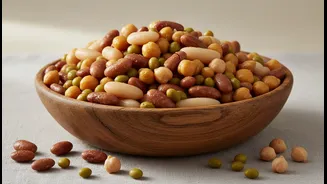
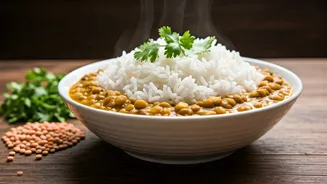
A cornerstone of Indian cuisine, dal is a nutritional powerhouse that experts love. Lentils are packed with plant-based protein, making them a fantastic alternative to meat. They are also rich in dietary fibre, which promotes digestive health, helps manage
blood sugar levels, and can lower cholesterol. Lentils provide essential nutrients like iron for energy and folate, which is crucial for heart health and cell growth. Their low glycemic index provides a slow release of energy, keeping you feeling full and satisfied for longer. Whether it’s a simple dal tadka, a hearty soup, or part of a khichdi, this versatile legume is a must-have for a healthy pantry.
Chickpeas (Chana)
Another versatile legume, chickpeas (or chana), earn consistent praise from nutritionists. Like lentils, they are an excellent source of plant-based protein and dietary fibre. This combination helps with satiety, making you feel full and potentially aiding in weight management. Chickpeas are also loaded with essential minerals, including iron and magnesium, which supports normal heart function. The fibre in chickpeas is beneficial for maintaining optimal cholesterol levels and promoting good gut health. From classic chana masala to salads and hummus, chickpeas are an easy and delicious way to boost the nutritional value of any meal.
Oats
Often hailed as a breakfast champion, oats are a whole grain that truly lives up to the hype. They are famous for their high content of a soluble fibre called beta-glucan, which is known to help reduce 'bad' LDL cholesterol and support heart health. This fibre also acts as a prebiotic, feeding the good bacteria in your gut and promoting a healthy digestive system. Oats provide a steady source of energy, preventing blood sugar spikes and crashes. They are also incredibly versatile; beyond a warm bowl of porridge, oats can be used in baking, as a binder for patties, or made into flour.
Yogurt (Dahi)
Homemade curd, or dahi, is a long-standing tradition in Indian households for good reason. Plain yogurt is an excellent source of high-quality protein and calcium. More importantly, it contains live and active cultures—probiotics—that support a healthy gut microbiome, which is essential for digestion and overall immunity. Nutritionists often recommend plain yogurt as a base for breakfast with fruit and nuts, or as a soothing accompaniment to a meal. It's a simple, affordable food that delivers significant benefits for gut health and beyond.
Nuts and Seeds
A handful of nuts and seeds can provide a significant nutritional boost. Almonds, walnuts, and cashews are packed with healthy fats, protein, and fibre. Walnuts are particularly noted for their high content of omega-3 fatty acids, which are beneficial for heart and brain health. Almonds are a great source of Vitamin E and magnesium. Seeds like chia and flax are also nutrient-dense additions. Sprinkling nuts and seeds on your yogurt, oatmeal, or salads adds texture, flavour, and a dose of essential vitamins and minerals that support everything from bone health to immune function.
Turmeric and Other Spices
The Indian spice box is a treasure chest of health benefits. Turmeric, in particular, is celebrated for its powerful anti-inflammatory and antioxidant properties, largely due to its active compound, curcumin. Spices like cumin, coriander, and black pepper not only add immense flavour to food, making healthy meals more enjoyable, but they also come with their own set of health advantages. For example, pairing turmeric with black pepper can significantly enhance the absorption of curcumin. Nutrition experts back these spices as an easy way to boost the health quotient of your meals without adding calories.