




1. Mint (Pudina)
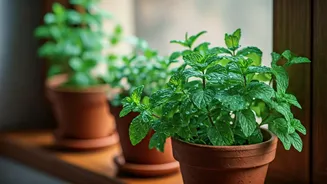
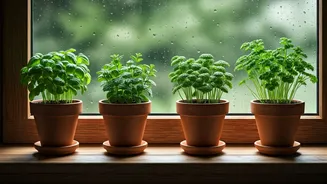
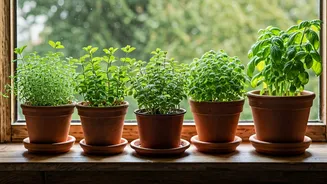
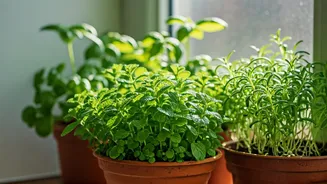
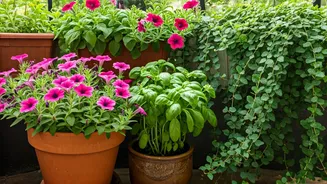
If there is one herb that seems to adore the monsoon, it's mint. Known for its rapid growth and refreshing aroma, pudina flourishes in the moist, humid conditions of the rainy season. It's one of the easiest herbs for beginners to grow, rewarding you
with a near-constant supply for your chutneys, raitas, and beverages. Mint spreads sideways, so a wide, shallow pot is a better choice than a deep one. You can easily grow it from a healthy cutting from the market. Just place a few stems in a glass of water, and within a week or so, you'll see small roots appear, ready for planting. Place the pot in a spot that receives partial or gentle morning sunlight, as harsh sun can be stressful for the plant. Keep the soil consistently moist but never waterlogged; good drainage is key to preventing root rot. Harvest leaves regularly by pinching off the tips to encourage bushier, fuller growth.
2. Holy Basil (Tulsi)
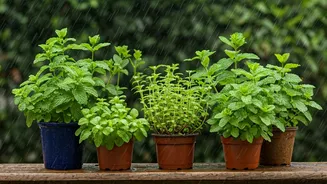
A fixture in many Indian homes for its spiritual and medicinal value, Tulsi is a hardy herb that does well during the monsoon. The warm and humid weather is ideal for its growth, but it needs protection from continuous, heavy rainfall. Overwatering is the biggest risk during this season, which can lead to root rot. Therefore, ensure your pot has excellent drainage holes. It's wise to add a layer of gravel at the bottom of the pot before adding soil. Water only when the top layer of soil feels dry to the touch. If your windowsill is exposed to heavy downpours, consider moving the pot to a more sheltered spot. Tulsi needs about four to six hours of sunlight, but it can manage with the indirect or filtered light common on cloudy monsoon days. Its immunity-boosting properties are especially valued during the monsoon, making a few fresh leaves in your morning tea a perfect seasonal ritual.
3. Coriander (Dhania)
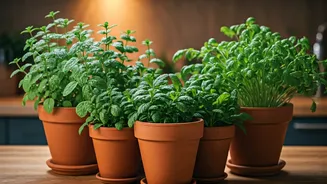
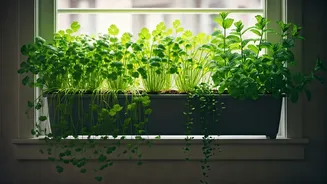
The price of fresh coriander often soars during the monsoon, making it the perfect time to grow your own. While it can be a bit sensitive, the cooler temperatures and gentle sunlight of the monsoon provide an ideal environment for leafy growth. Coriander doesn't like intense summer heat, which can cause it to flower prematurely. For best results, use whole coriander seeds from a garden store, or even your kitchen spice rack, and lightly crush them before soaking them overnight to speed up germination. Sow the seeds in a pot that is at least six inches deep with a well-draining soil mix, preferably containing garden soil, compost, and coco peat or sand. Keep the soil moist but not soggy, and place the pot where it gets four to six hours of indirect sunlight. Within a few weeks, you'll be able to start harvesting fresh leaves for garnishing your favourite dishes.
4. Carom (Ajwain)
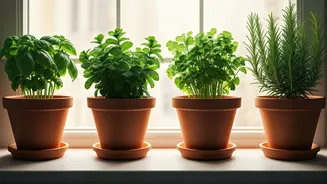
Often confused with the plant that produces ajwain seeds, the ajwain plant grown in pots is actually Indian Borage or Mexican Mint, whose leaves have a similar aromatic flavour. This fleshy, succulent-like herb is incredibly easy to grow and is known for its medicinal properties, especially for digestion. The monsoon season is considered one of the best times to grow it, as the alternating warm and cool temperatures support its growth. You can propagate it easily from a small cutting. The ajwain plant doesn't require a lot of water, so be careful not to overwater, especially during the rains. It thrives in well-draining soil and needs only a few hours of sunlight per day, making it perfectly suited for a windowsill that doesn't get sun all day long. The leaves are beautifully textured and can be used fresh to flavour pakoras, parathas, or simply chewed raw.