







From Concrete Slabs to Living Canopies
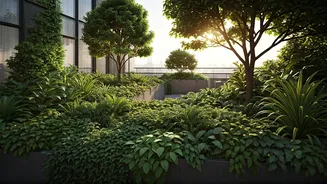
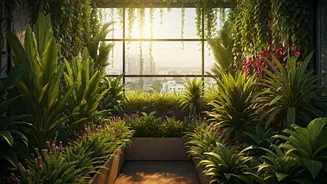
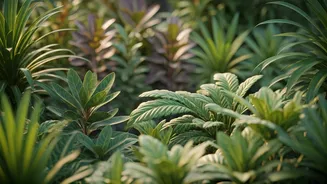
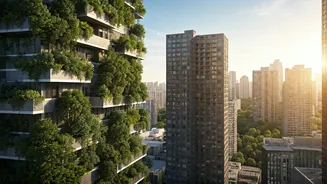
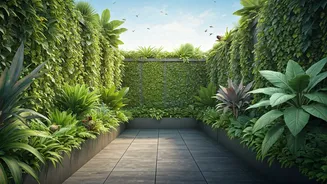
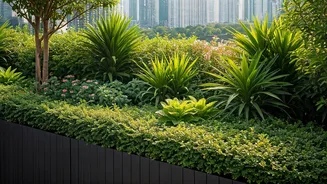
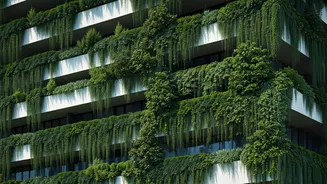
In cities like Bengaluru, Delhi, and Mumbai, rooftops once reserved for water tanks and laundry lines are becoming vibrant ecosystems. [4, 8] This isn't just about a few potted plants; it's a move toward creating dense, biodiverse havens that mimic natural
forests. [5, 8] The trend is driven by a collective yearning to reconnect with nature, a desire amplified by the confines of urban living and the increased time spent at home post-pandemic. [7, 10] People are discovering that they can cultivate a wild, green sanctuary many stories above the noise and pollution of the street, creating personal retreats that offer a slice of wilderness in the urban jungle. [4, 8]
The 'Miyawaki Method' on a Rooftop
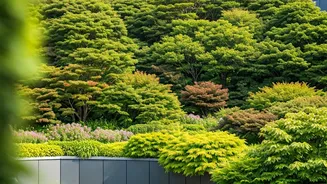
A key inspiration behind this movement is the Miyawaki method, a technique developed by Japanese botanist Akira Miyawaki to grow self-sustaining native forests quickly. [9, 11] The core idea is to plant a wide variety of native species very close together—as many as three to five saplings per square meter. [9, 18] This dense planting encourages competition for sunlight, causing the plants to grow upward rapidly. [11, 19] On a terrace, this translates to creating multi-layered green spaces with shrubs, small trees, and climbers, which together form a resilient, interconnected ecosystem that supports a greater variety of life than a conventional garden. [8, 18] Some urban gardeners have successfully created such systems that are strong enough to withstand even heavy monsoon storms. [17]
The Many Benefits of a Rooftop Oasis
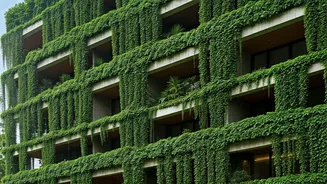
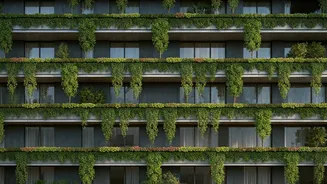
The rewards of these terrace forests are tangible and immediate. They significantly lower the surrounding temperature, acting as natural air conditioners that can reduce a roof's surface temperature by up to 20°C and cool indoor spaces. [3, 12] This combats the 'urban heat island' effect, where concrete and asphalt make cities much warmer than rural areas. [2, 12] These green spaces also act as powerful air purifiers, filtering pollutants and improving local air quality. [4, 5] Furthermore, they become biodiversity hotspots, attracting birds, bees, and butterflies, and reintroducing a sliver of the natural world into sterile urban environments. [3, 8] For many, the mental health benefits are the biggest draw, with gardening proven to reduce stress and enhance well-being. [2, 5]
Not Without Its Challenges
Creating a forest on a roof is an ambitious project with its own set of hurdles. The most critical consideration is the structural integrity of the building; a dense garden, especially when watered, is incredibly heavy. [8] Consulting a structural engineer is a crucial first step to assess the roof's load-bearing capacity. [8] Other challenges include waterproofing the terrace to prevent leaks, ensuring proper drainage, and sourcing a variety of native plants, which can be difficult in some cities. [23] The initial setup cost for soil, plants, and irrigation systems can also be a significant investment, and the garden requires regular maintenance for the first few years to become self-sustaining. [12, 23]
A Green Rebellion, One Roof at a Time
Despite the difficulties, the movement continues to grow, fueled by success stories and a shared mission. In Delhi, a 23-year-old conservationist transformed his family's terrace into a thriving forest with over 500 plants that now attract more than 100 bird species. [14, 15] In Bengaluru, a mechanical engineer designed a 600-square-foot ecosystem on his roof that harvests rainwater and yields everything from coffee to vegetables. [17] These individual efforts are part of a larger trend of urban agriculture that gained momentum during the COVID-19 pandemic, as people sought food security and a meaningful connection to nature. [7, 13] Supported by NGOs, community workshops, and a wealth of online information, more urban Indians are feeling empowered to start their own green rebellion. [23]