





The Tick Menace: More Than Just an Itch
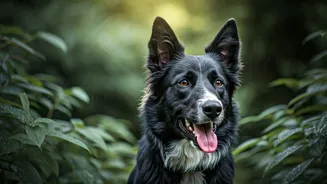
The warm, humid conditions of the Indian monsoon are an ideal breeding ground for ticks, causing their populations to explode. These parasites are not just an itchy nuisance; they are carriers of serious illnesses collectively known as 'tick fever'. In India,
the most common and dangerous of these are Babesiosis and Ehrlichiosis, which are transmitted by the brown dog tick. Babesiosis attacks the red blood cells, causing anaemia (identifiable by pale or white gums), weakness, and dark urine. Ehrlichiosis targets white blood cells, leading to fever, lethargy, and loss of appetite, with symptoms appearing one to three weeks after a bite. With veterinary clinics in India seeing a 40-60% spike in visits during the monsoon, proactive prevention is crucial as these diseases can be fatal if not treated promptly.
Your Anti-Tick Arsenal: A Prevention Playbook
Preventing tick bites is the most effective strategy. Consult your veterinarian about the best tick prevention products for your dog, such as spot-on treatments, medicated collars, or oral chewable tablets, and start the regimen before the monsoon fully sets in. After every single walk, conduct a thorough tick check. Run your fingers through your pet’s coat, paying close attention to warm, hidden areas like between the toes, inside the ears, under the collar, and in their armpits. Keeping your home environment clean is also key. Regularly vacuum carpets and wash your pet’s bedding in hot water to eliminate any ticks or fleas that may have been brought indoors.
The Damp Fur Dilemma: A Haven for Infections
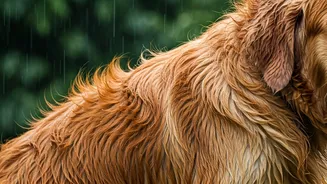
A dog’s coat that remains consistently damp is the number one cause of skin infections during the rainy season. The trapped moisture against the skin creates a warm, low-airflow environment perfect for the proliferation of bacteria and fungi, particularly yeast. This can lead to a range of uncomfortable conditions. 'Hot spots', or acute moist dermatitis, are painful, inflamed patches of skin that can appear and grow rapidly. Fungal infections, like yeast dermatitis (Malassezia), cause intense itching, a musty odour, and greasy or flaky skin, especially in skin folds, paws, and ears. Breeds with thick double coats or floppy ears are particularly vulnerable.
The Dry-Down Routine: Best Practices After a Wet Walk
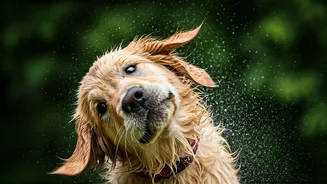
Thoroughly drying your pet after every exposure to rain is non-negotiable. Using a highly absorbent microfibre towel is more effective than standard cotton towels. Instead of rubbing vigorously, which can cause tangles and skin irritation, gently press the towel into the fur to blot and soak up moisture. Work in sections, starting from the head and moving down the body, paying special attention to the belly, paws, and tail. For dogs with long or dense fur, a blow dryer on a cool or low-heat setting can be invaluable to ensure the undercoat is completely dry. Never use a high-heat setting, as it can burn a dog's sensitive skin. Keeping the fur between their paw pads trimmed can also help reduce moisture retention.
Beyond Fur and Ticks: Paws, Water, and Diet
Monsoon care extends beyond just coat health. Paws are constantly in contact with muddy, contaminated surfaces. After each walk, wash your dog's paws with lukewarm water and dry them carefully, especially between the toes, to prevent fungal growth. Also, prevent your dog from drinking from puddles or stagnant water sources, which can be contaminated with harmful bacteria like Leptospira, leading to serious water-borne diseases that can cause kidney and liver damage. Finally, humidity can affect digestion. Ensure your pet has access to fresh, clean water and consider feeding an easily digestible diet. Storing dry food in an airtight container is also important to prevent it from getting mouldy in the damp weather.