




Why It’s More Than Just Dirt
A muddy paw isn't just a mix of soil and water. It’s a cocktail of bacteria, fungi, allergens, and potentially sharp debris collected from puddles and wet roads. When paws remain damp and dirty, it creates the perfect breeding ground for trouble. The
skin between a dog’s paw pads is delicate and, when constantly moist, can become susceptible to yeast and bacterial infections, a condition known as pododermatitis. This can cause intense itching, redness, swelling, and pain. Furthermore, chemicals, salts, and pollutants from street runoff can cause chemical burns or irritation. Small cuts or scrapes, easily hidden by mud, can become infected if not cleaned and tended to promptly. Treating paw cleaning as a health check, not just a housekeeping task, is essential for your pet’s well-being.
Your Essential Paw Cleaning Kit
You don't need a professional grooming setup to effectively clean your dog's paws. A simple, dedicated kit kept by the door can make the process quick and efficient. First, a source of lukewarm water—a small bucket or a portable spray bottle works well. Second, a gentle cleansing agent. Look for a veterinarian-approved antiseptic or a mild, pet-specific shampoo. Avoid using human soaps, hand sanitisers, or harsh detergents, as these can strip natural oils and irritate the skin. Third, have several soft, absorbent towels ready. Microfiber towels are excellent as they soak up a lot of water quickly. Finally, you might consider a paw plunger or washer—a silicone-bristled cup that cleans paws with minimal mess. While not essential, it can be a useful tool for dogs who are tolerant of it.
The Step-by-Step Cleaning Guide
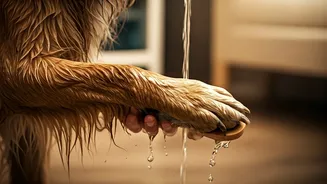
Consistency and a gentle approach are key to making paw cleaning a stress-free routine. First, get your dog comfortable in a designated cleaning spot, like a tiled area or on an old towel. Gently dip each paw into lukewarm water or use your spray bottle to wet it thoroughly. If using a cleanser, apply a small amount and gently massage the paw pads and the areas between the toes, working up a light lather. This helps dislodge stubborn dirt and debris. Rinse each paw meticulously to ensure no soap residue is left behind, as this can cause dryness and itching. The final, and most crucial, step is drying. Pat each paw dry with a clean towel, paying special attention to drying the spaces between the pads. Lingering moisture is the primary culprit for fungal infections, so be thorough.
What to Look For During Cleaning
Use your daily paw cleaning session as an opportunity to perform a quick health inspection. As you wash and dry, gently separate the toes and look at the pads and the skin between them. Check for any signs of trouble, such as redness, swelling, or discharge. Notice if your dog flinches or shows signs of pain when you touch a specific area. Look for any cuts, blisters, thorns, or embedded objects like small stones or glass shards. Also, pay attention to any unusual odours, as a foul or yeasty smell can be an early sign of an infection. If your dog is constantly licking or chewing at their paws, it's a clear indicator of irritation and warrants a closer look. If you spot any of these issues, it’s best to consult your veterinarian for advice.