
Why Autumn Skies Are a Stargazer's Dream
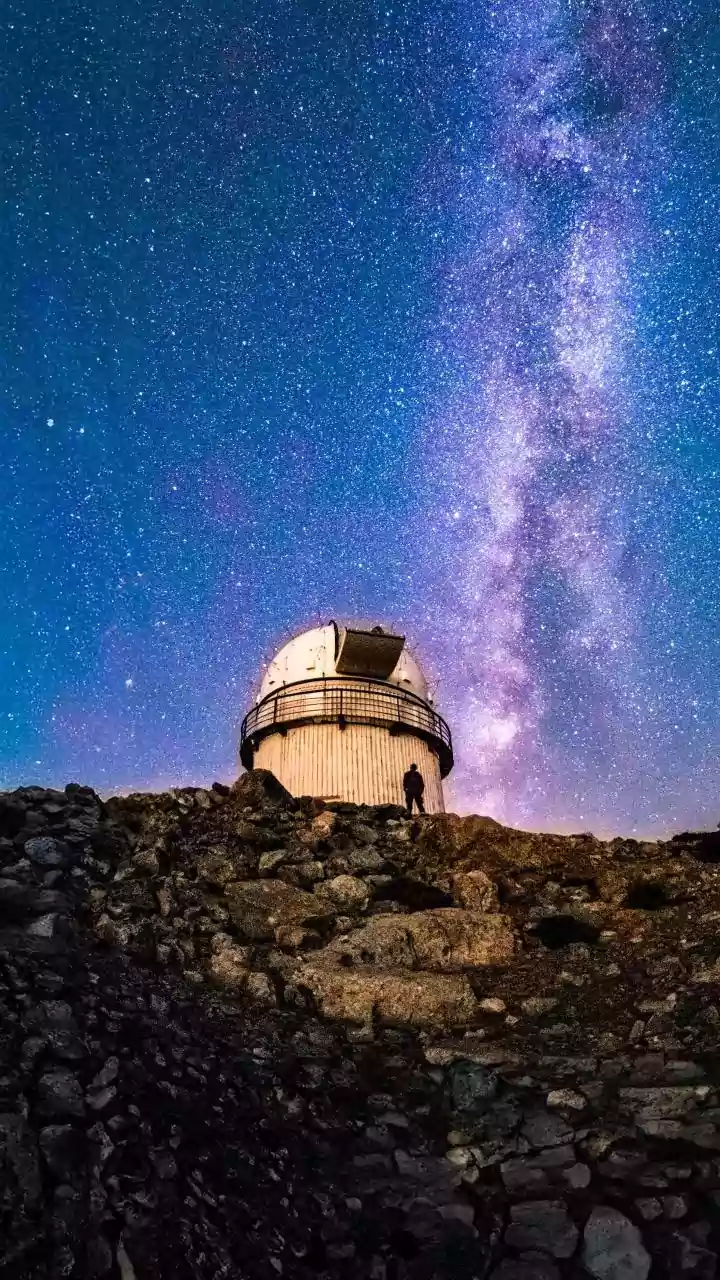
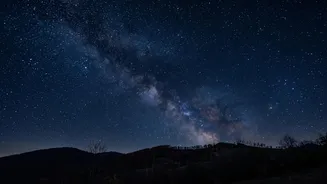
Autumn in the Northern Hemisphere offers some of the best stargazing conditions of the year. The nights grow longer, and the cooler, drier air is less prone to the haze that can obscure celestial views during warmer months. This increased transparency
means stars appear sharper and brighter. Furthermore, darkness arrives earlier, allowing for convenient evening viewings without having to stay up into the wee hours. The position of the Earth in its orbit also brings some spectacular constellations and deep-sky objects into prime view, making it an ideal season for both seasoned astronomers and curious beginners to look up and explore the universe from their own backyards.
Your Guide to Finding the Andromeda Galaxy
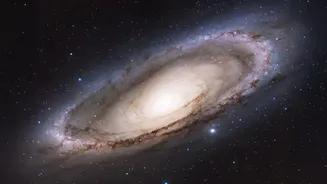
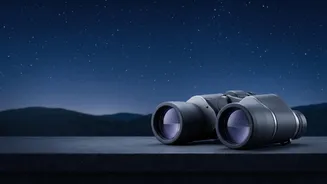
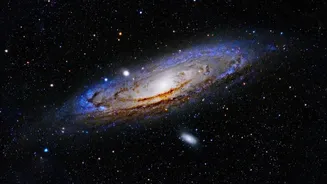
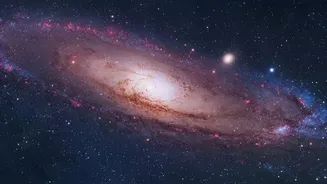
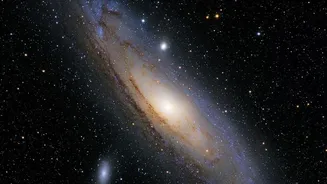
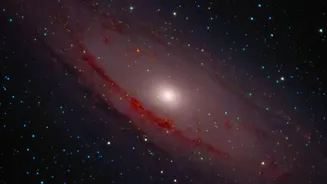
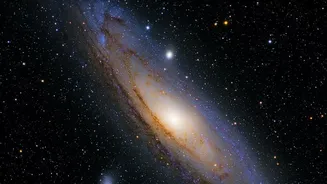
The Andromeda Galaxy is the most distant object you can see with the naked eye, a sprawling city of over a trillion stars located 2.5 million light-years away. To find it, you don't need a telescope, just a dark sky and a little patience. One of the easiest methods involves locating the W-shaped constellation Cassiopeia. The 'V' shape on the right side of the 'W' acts as an arrow, pointing directly toward the galaxy. Alternatively, you can use the Great Square of Pegasus. Starting from Alpheratz, the star connecting Pegasus to the Andromeda constellation, trace two stars along Andromeda's chain to the star Mirach. From Mirach, look just above to find a faint, fuzzy patch of light. That smudge is the Andromeda Galaxy. While visible to the naked eye in dark locations, a pair of binoculars will reveal its brighter, concentrated core.
Spotting Jupiter and Its Galilean Moons
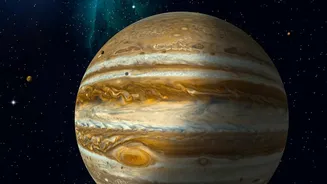
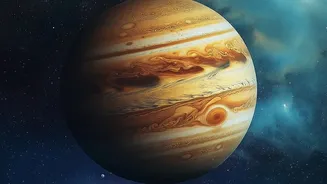
Jupiter, the king of planets, is a brilliant, steady beacon in the sky. During autumn 2026, it will be a prominent feature in the morning sky. Unlike stars, it shines with a steady, non-twinkling light, making it easy to distinguish. While Jupiter itself is an impressive sight, the real treat is spotting its four largest moons: Io, Europa, Ganymede, and Callisto. Discovered by Galileo in 1610, these moons are visible with a simple pair of binoculars or a small telescope. To see them, first locate Jupiter. Then, hold your binoculars as steady as possible—bracing your elbows or using a tripod helps immensely. The moons will appear as tiny, star-like dots arranged in a straight line on either side of the planet. Their positions change from night to night, offering a dynamic view of our solar system in motion.
More Autumn Sky Treasures
Beyond Andromeda and Jupiter, the autumn sky is rich with other wonders. Look out for the Pleiades star cluster, also known as the Seven Sisters. This shimmering cluster is easily visible to the naked eye and looks like a tiny, misty dipper. Saturn will also be putting on a show, reaching its opposition—its brightest and best viewing point for the year—on October 4, 2026. While you'll need a telescope to see its famous rings, the planet itself will be a bright, steady light visible all night. The season also features several meteor showers, including the Orionids in October, which are caused by debris from Halley's Comet. Find a dark spot, let your eyes adjust, and you might catch a few shooting stars streaking across the sky.
Tips for the Best Viewing Experience
To make the most of your stargazing session, preparation is key. First, get away from city lights. Light pollution washes out fainter objects, so a rural location or a dark park will offer a dramatically better view. Second, give your eyes at least 15-20 minutes to fully adapt to the darkness; avoid looking at your bright phone screen. If you need light, use a red-light torch, which is less disruptive to your night vision. Finally, consider using a stargazing app. Applications like SkyView, Star Walk 2, or Stellarium can turn your phone into a planetarium, helping you identify stars, constellations, and planets simply by pointing your device at the sky. For audiences in India, the Bhagol app offers a unique map of the sky based on Indian astronomy traditions.