






From Packed Itineraries to Unplanned Escapes
For years, the weekend trip was a frantic affair. It involved cramming as many sights, activities, and photo opportunities as possible into 48 hours. But that model is fading fast. A new report from Airbnb reveals a dramatic shift: seven in ten young
Indian travellers now prefer taking multiple short trips over one long annual holiday. This generation is breaking the old rhythm of saving up for one big, meticulously planned vacation. Instead, travel has become a more frequent and spontaneous habit. Data shows that trips lasting two to six nights are the fastest-growing format for domestic travel. Many travellers are now booking just days or weeks in advance, embracing a more flexible and personal approach where the absence of a rigid plan is often the main attraction.
A Direct Response to Burnout Culture
This trend isn't just about changing preferences; it's a direct response to rising stress and workplace burnout. With India facing high rates of work-related exhaustion, travel has transformed from a luxury into a crucial coping mechanism. The 'always-on' digital culture and intense professional pressures are pushing young Indians to seek genuine mental resets. These getaways are less about traditional tourism and more about what experts call "radical rest"—travel that creates space rather than filling it. It’s a conscious move away from the hyper-performative nature of both work and social media, which can often make vacations feel more exhausting than the jobs they are meant to provide a break from. For many, a quiet weekend is no longer an indulgence but an essential form of mental and emotional maintenance.
The New Weekend: Farm Stays and Quiet Corners
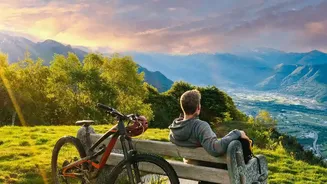
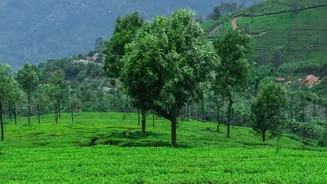
So, what does this new, simplified getaway look like? Instead of bustling city centres and tourist hotspots, young travellers are gravitating towards nature, wellness, and quiet seclusion. Destinations like Wayanad, Dehradun, and the Kerala coast are popular choices, selected more for the feeling they evoke than their fame. The focus is on experiences that promote slowing down, such as farm stays, eco-friendly homestays, and retreats centred on yoga and meditation. According to one report, two in three Gen Z travellers take trips just to do nothing—to rest and stay in. This has also led to a rise in accommodation-led travel, where the stay itself—a unique cabin, a scenic homestay—is the primary destination. The goal is to disconnect, with many actively seeking places with patchy network coverage to escape digital fatigue.
Slow Travel as a Form of Self-Expression
This shift towards simplicity is deeply connected to a desire for authenticity and self-expression. A staggering 95% of young travellers report that they want their trips to feel personal and unique, not like a pre-packaged tour. They are actively seeking out destinations that haven't gone viral, with 90% saying they are likely to explore places that lack widespread online recommendations. This is the anti-itinerary generation, for whom travel is a statement about who they are. It’s also tied to a broader interest in sustainability; a significant majority of young Indian travellers state they plan to make more eco-conscious travel choices. This combination of personal, slow, and sustainable travel is not just a trend but a reflection of evolving values where feeling like oneself is more important than seeing everything.