


For those managing diabetes, the world of 'sugar-free' desserts can feel like a minefield of confusing claims. The truth is, no dessert is truly free of impact. But that doesn't mean sweets are off the table. It’s all about a smarter approach.
The 'No Impact' Myth
The most
important thing to understand is that any food containing carbohydrates will affect your blood sugar levels. This is a fundamental aspect of how our bodies create energy. The term 'sugar-free' can be misleading. While a product may not contain table sugar (sucrose), it can still be made with other carbohydrates like refined flours or contain sugar alcohols, which can raise blood sugar to varying degrees. Even natural sweeteners like honey and jaggery are still forms of sugar that your body processes. The key is not to find a magic dessert with zero effect, but to understand and manage the effect that it does have.
Decoding Dessert Ingredients
The secret to a smarter dessert lies in its ingredients. The goal is to slow down the absorption of sugar into the bloodstream. This is achieved by incorporating fibre, protein, and healthy fats. For example, a dessert made with almond or coconut flour instead of refined white flour will have more fibre and a lower glycemic impact. Using ingredients like Greek yoghurt, nuts, seeds, and even certain vegetables like zucchini or avocado in brownies can add protein and healthy fats, which help buffer the blood sugar response. Artificial sweeteners like stevia, erythritol, and monk fruit have a glycemic index of zero and do not raise blood sugar on their own, making them useful tools. However, the other ingredients in the dessert still count.
The Golden Rule: Portion Control
Even the most perfectly formulated diabetes-friendly dessert can cause a blood sugar spike if eaten in large quantities. Portion control is non-negotiable. A 'diabetic' cake might have better ingredients, but eating a large slice can easily be worse than having a very small portion of a regular cake. It helps to use smaller plates, pre-portion treats instead of eating from a large container, and savour each bite slowly. Pairing a small dessert with a balanced meal that includes protein and fibre can also help slow down sugar absorption and lead to a more gradual rise in blood glucose.
Smarter Sweet Ideas for Indian Kitchens
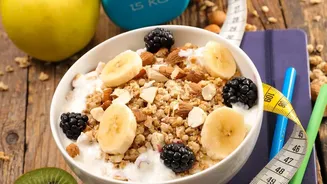
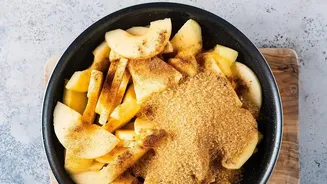
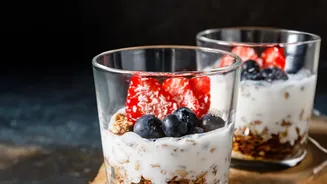
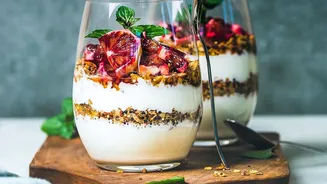
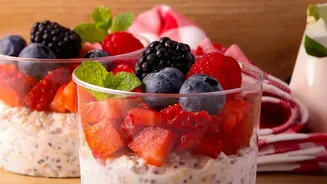
Enjoying sweets is a cherished part of Indian culture. Instead of complete avoidance, simple modifications can make a world of difference. Consider a Phirni made with oats or ragi (finger millet) instead of rice, which boosts the fibre content. Ladoos made from almond flour or besan with a minimal amount of sweetener can be a satisfying, protein-rich option. Instead of a sugar-heavy kheer, a chia seed pudding with milk, cardamom, and a few drops of stevia offers a similar creamy texture with much less impact. Fruit-based desserts are another excellent choice. A bowl of mixed berries with a dollop of plain yoghurt, or baked apples with cinnamon, can satisfy a sweet craving with the added benefit of fibre and vitamins. Even a small piece of highstquality dark chocolate (70% cocoa or more) can be a good option.