






The Urban Health Crisis
Cities are paradoxes. While they offer access to better healthcare, their environments can concentrate health risks. Urban living is increasingly linked to a 'triple threat' of health burdens: noncommunicable diseases, infectious diseases, and violence-related
injuries. Issues like heart disease, diabetes, and asthma are worsened by city-specific problems such as air and noise pollution, urban heat islands, and a lack of space for physical activity. Sedentary lifestyles are encouraged by car-centric planning, while increased exposure to crowds and pollution can make residents more vulnerable to respiratory infections. This cocktail of stressors has created a public health challenge that can no longer be ignored.
A Prescription of Green Space
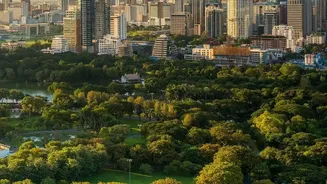
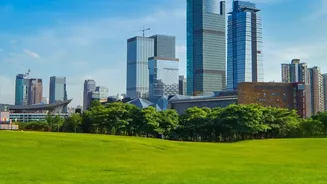
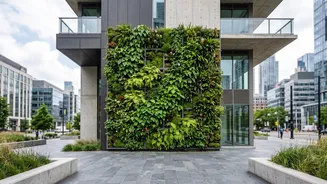
One of the most powerful solutions scientists are championing is surprisingly simple: nature. A growing body of research confirms that integrating green spaces into urban environments has profound health benefits. Access to parks, gardens, and even tree-lined streets can lower stress, reduce symptoms of anxiety and depression, and improve mood. One study found that urban residents with more exposure to greenness required fewer mental health services. Green spaces work in multiple ways: they filter pollutants from the air, muffle city noise, and provide restorative opportunities for physical activity and social connection. Scientists are finding that these natural elements are not just amenities, but essential infrastructure for public health.
Designing for Human Wellbeing
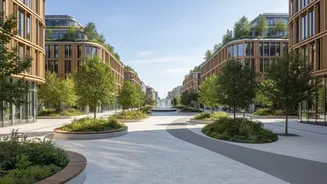
Beyond adding parks, researchers are collaborating with architects and planners to fundamentally redesign urban layouts. A key concept gaining traction is the '15-minute city,' where all essential services—shops, schools, healthcare, and jobs—are accessible within a 15-minute walk or bike ride. This model directly counters decades of car-dependent sprawl by promoting 'active mobility' like walking and cycling, which boosts physical health and reduces pollution. Other design principles include creating safer, more pedestrian-friendly streets, ensuring buildings have adequate natural light, and mixing residential and commercial spaces to create vibrant, walkable neighbourhoods that encourage daily activity and reduce reliance on long commutes.
Combating Urban Loneliness
A city's impact on health isn't just physical; it's also social and mental. Poorly designed urban environments can contribute to feelings of isolation and stress. Scientists are now studying how urban design can foster a stronger sense of community. Well-designed public squares, community gardens, and mixed-use developments provide natural meeting points where social interactions can occur. By creating spaces that encourage people to connect, cities can help combat loneliness, which is itself a significant public health concern. Research shows that strong social ties and a sense of community are linked to greater personal resilience and wellbeing.