



The Refill Revolution Gains Steam
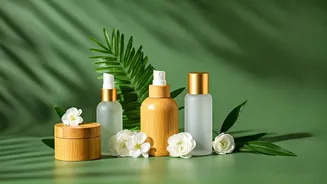
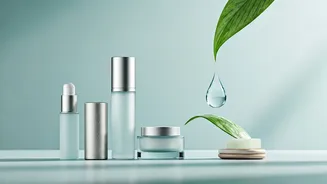
One of the most significant shifts towards simplicity is the boom in refillable products. Previously a niche concept, major brands and homegrown Indian labels alike are now offering everything from lipstick to shampoo in refillable formats. [33, 35] Instead
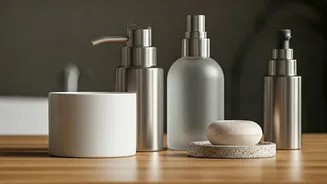
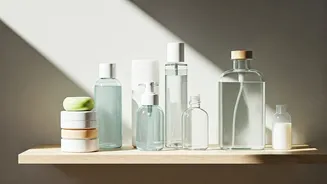
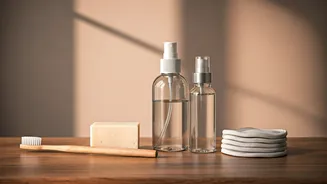
of buying a whole new container, you now keep the primary packaging—often a chic glass jar or aluminium bottle—and purchase a less packaging-intensive refill pod or pouch. [8, 30] This move dramatically reduces single-use plastic waste, with some estimates suggesting refills can cut waste production by up to 85%. [35] Brands in India are increasingly adopting this model, making it easier for consumers to find refillable options for their favourite serums, creams, and makeup. [29, 34]
Waterless Wonders Cut Down on Waste
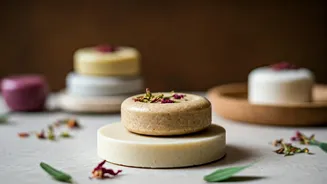
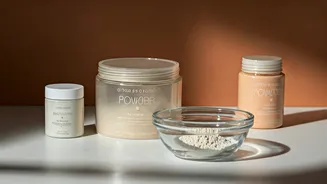
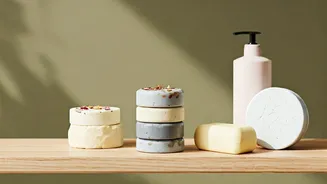
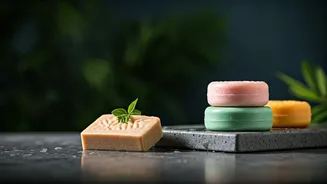
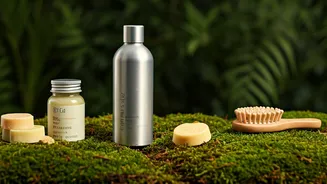
Another major innovation is the rise of 'waterless' or solid beauty. Traditional products can contain up to 90% water, which acts as a cheap filler and requires preservatives to prevent bacterial growth. [10, 21] Waterless products—like shampoo bars, cleansing balms, and powder-to-foam face washes—are highly concentrated with active ingredients. [4, 18] This means a little goes a long way, making them last longer. [17] The benefits are two-fold: they require less packaging, often coming in recyclable paper or tins, and their lighter weight reduces the carbon footprint of shipping. [21, 28] They are also perfect for travel, eliminating the risk of spills. [10]
Multi-Tasking Heroes Simplify Routines
The ethos of 'less is more' has given rise to a surge in multi-purpose products. [5] Think lip-and-cheek tints, moisturizers with built-in SPF, or 3-in-1 sticks for eyes, lips, and face. [22] This trend streamlines beauty routines, saving time and reducing the number of products you need to buy. [19] A 2025 study showed that 67% of female consumers regularly buy products that perform more than one function. [15, 23] By combining functions, these products not only declutter your shelf but also cut down on overall packaging waste, aligning with a more minimalist and sustainable approach to consumption. [22]
Upcycled Ingredients Turn 'Trash' to Treasure
A fascinating and fast-growing area of sustainable beauty is upcycling. Brands are now creating high-performance ingredients from materials that would otherwise be discarded, primarily from the food and beverage industry. [9, 13] This includes using coffee grounds in exfoliating scrubs, transforming fruit peels into brightening extracts, and extracting valuable oils from grape seeds left over from winemaking. [2, 7] This 'circular beauty' approach reduces landfill waste and lessens the need to harvest new raw materials. [2, 9] The market for upcycled cosmetic ingredients is projected to grow significantly, signalling a major shift towards a more resourceful and less wasteful industry. [6]
Decoding Labels Just Got Easier
In the past, navigating eco-labels was a daunting task. Now, there is a push towards greater transparency and more reliable certifications. [26] While the landscape can still be busy, trusted third-party certifiers like Leaping Bunny (cruelty-free) and ECOCERT (natural and organic) provide clear, verifiable standards. [16, 20] Furthermore, brands are recognizing that consumers demand honesty. [24] Many are now voluntarily disclosing their entire ingredient lists with clear explanations of each component's function and origin, moving beyond marketing buzzwords to build genuine trust with customers. [24]