





The Desi Superfood Explained
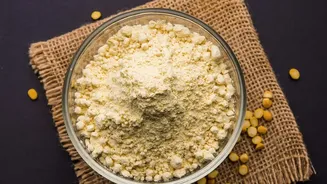
Before we dive into the bowl, let's clear up a common confusion. While the headline mentions gram flour, sattu is its more robust cousin. Gram flour, or besan, is made from raw, ground chickpeas. Sattu, on the other hand, is crafted by roasting Bengal
gram (kala chana) and then grinding it into a fine powder. This roasting process gives sattu its distinct nutty flavour, increases its nutritional density, and makes it easier to digest. Traditionally a staple in states like Bihar, Jharkhand, and Uttar Pradesh, it has long been cherished as a source of instant energy and a natural body coolant. Often called the 'poor man's protein', this powerhouse ingredient is now being celebrated by fitness enthusiasts as an affordable, clean, and effective plant-based protein source.
Your Body's Best Friend: The Nutritional Benefits
So, what makes sattu such a potent fuel? A 100-gram serving packs an impressive 20-25 grams of protein, essential for muscle repair and growth after a workout. But its benefits don't stop there. Sattu is rich in dietary fibre, which promotes satiety, keeping you feeling full for longer and preventing unhealthy snacking. This combination of protein and fibre also helps in managing blood sugar levels, thanks to its low glycemic index that ensures a slow and steady release of energy. It’s also a treasure trove of minerals like iron, magnesium, and calcium, which are vital for fighting fatigue, supporting bone health, and regulating muscle function. Its natural cooling properties make it an excellent choice for rehydration, especially after a sweaty exercise session.
Why a Smoothie Bowl?
The traditional way to consume sattu is in a savoury drink called 'sharbat', mixed with water, lemon juice, and black salt. While that remains a fantastic energiser, blending it into a smoothie bowl transforms it into a complete and satisfying meal. The thick, spoonable texture of a smoothie bowl allows for a wider range of toppings, adding more nutrients, textures, and flavours. The naturally fine powder of sattu blends seamlessly into liquids like yogurt or milk, creating a creamy base without any grittiness. It’s the perfect way to merge a traditional Indian ingredient with a modern wellness trend, giving you a breakfast or post-workout meal that is both comforting and incredibly functional.
Crafting the Perfect Sattu Smoothie Bowl
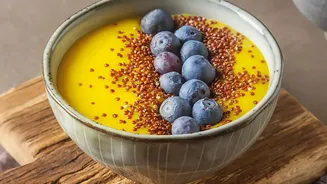
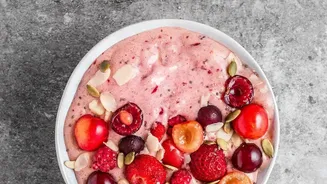
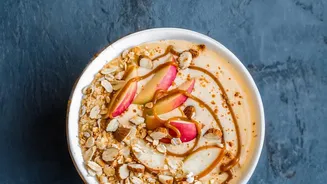
Making your own sattu smoothie bowl is incredibly simple and requires no fancy equipment. The goal is a thick, creamy consistency that can hold up to toppings. Here's a basic formula to get you started: Start with 3-4 tablespoons of sattu flour in your blender. For the liquid base, add about half a cup of cold milk, almond milk, or thick curd (yogurt). For natural sweetness and a thick texture, add one ripe banana (frozen bananas work exceptionally well for a creamier result). A couple of soft, pitted dates can also be added for extra sweetness and fibre. Blend everything until it’s smooth and thick. If it's too runny, add a little more sattu or a few spoons of oats. If it's too thick, add a splash more liquid. Pour the mixture into a bowl and get ready to decorate.
Power-Up Your Bowl with Toppings
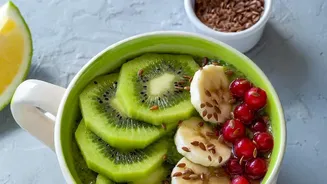
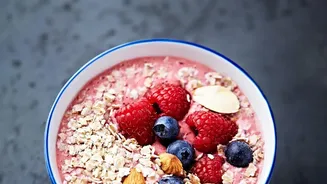
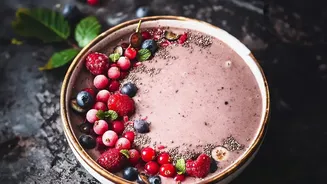
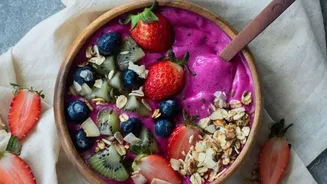
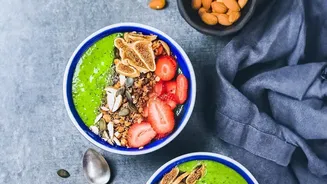
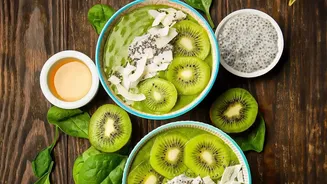
The toppings are where you can truly customise your bowl for flavour and an extra nutritional punch. For added protein and healthy fats, sprinkle on a tablespoon of chia seeds, pumpkin seeds, or a handful of chopped almonds. Fresh fruits like pomegranate arils, sliced mango, or berries not only add a vibrant colour but also provide essential vitamins and antioxidants. A dollop of peanut butter can increase the protein content and add a delicious richness. For a final touch, a drizzle of honey or a pinch of cinnamon can enhance the flavour profile, turning your functional fitness fuel into a truly gourmet experience. Enjoy it within 30-60 minutes post-workout for optimal muscle recovery.