




The Science of the 'Danger Zone'
The core reason to avoid this practice is something food safety experts call the “temperature danger zone.” This is the temperature range between 40°F (about 4°C) and 140°F (about 60°C), where bacteria can multiply at an alarming rate. In some cases,
bacteria can double in number in as little as 20 minutes within this zone. When you take a portion of cold food from the refrigerator, heat it up, and then return the uneaten warm portion to the cold container, you risk raising the temperature of all the food in that container. This can nudge the contents into the danger zone, creating a perfect breeding ground for harmful bacteria like Salmonella, E. coli, and Staphylococcus aureus.
The Risk of Reheating Cycles
Every time you cool and reheat food, you increase the opportunity for bacterial growth. While reheating food to a high enough internal temperature—generally 165°F or 74°C—can kill active bacteria, it doesn't always eliminate the heat-resistant toxins some bacteria leave behind. Bacteria like Bacillus cereus, commonly found in starchy foods like rice and pasta, can produce such toxins. Even if you kill the bacteria with a thorough reheating, the toxins can remain and may still cause food poisoning. For this reason, food safety guidelines strongly recommend reheating food only once. If you've heated a portion of leftovers, it's safest to consume it then and there or discard what you can't finish.
The Proper Way to Portion and Reheat
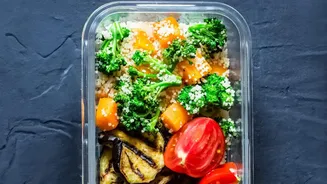
The safest habit to adopt is simple: only take out and heat what you plan to eat. Instead of bringing the entire container of dal or sabzi to the stove or microwave, transfer a single serving into a separate bowl or pan. This keeps the main batch of leftovers safely chilled in the refrigerator, undisturbed. When you do reheat, ensure the food is steaming hot all the way through, reaching an internal temperature of 165°F (74°C) to kill any potential pathogens. Stirring the food during reheating helps ensure it heats evenly, especially in a microwave.
Best Practices for Cooling Food
Properly cooling freshly cooked food is just as important as reheating it correctly. Never leave perishable food at room temperature for more than two hours (or one hour if it's over 90°F). To cool a large pot of soup, curry, or a large cut of meat quickly, you need to get it out of the danger zone fast. The best method is to divide large quantities into smaller, shallow containers. This increases the surface area and allows the food to cool down much more rapidly. You can also use an ice bath, placing the pot or container into a clean sink filled with ice and water and stirring the food to release heat. While modern refrigerators can handle some warm food, placing a large, hot pot inside can raise the overall temperature of the fridge, putting other foods at risk.
Storing Leftovers for Safety and Quality
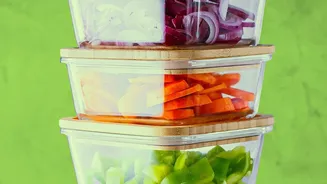
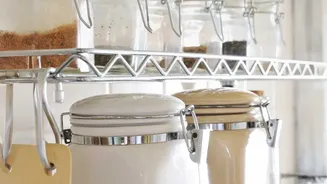
Once cooled, store leftovers in airtight containers. This helps keep bacteria out, prevents moisture loss, and stops the food from absorbing odours from other items in your fridge. Generally, leftovers can be safely kept in the refrigerator for three to four days. If you don't plan to eat them within that timeframe, your best bet is to freeze them immediately. While frozen leftovers are safe indefinitely, they are best in terms of flavour and texture if consumed within three to four months. Always label your containers with the date so you can keep track of what needs to be eaten first.