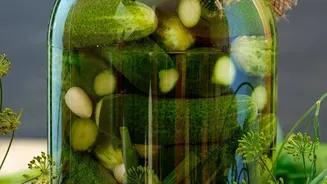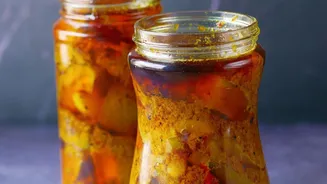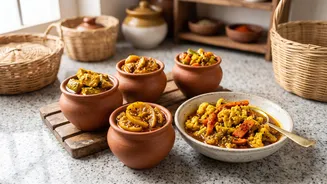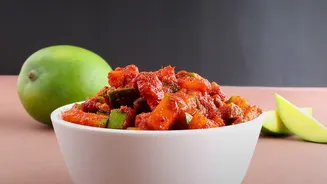



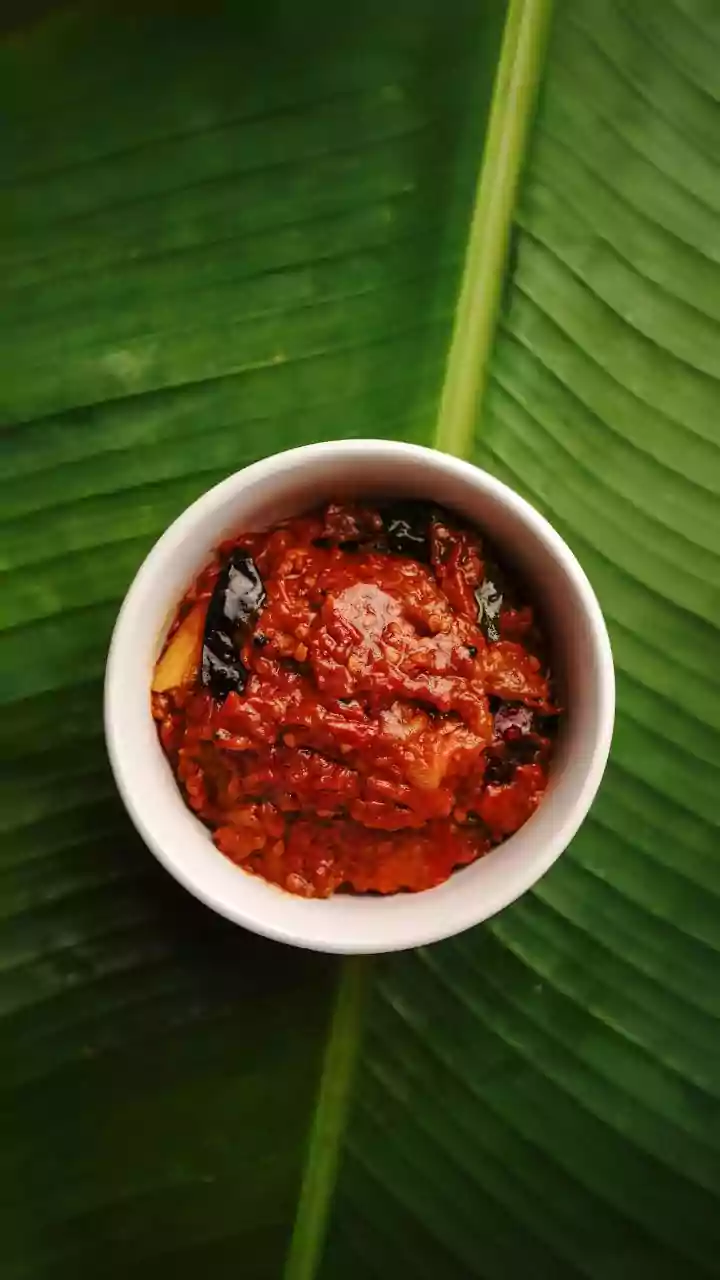
A quiet but flavorful revolution is happening in Indian kitchens. The ubiquitous bottles of imported ketchup and mustard are making way for the complex, nostalgic tastes of heritage pickles, or achaar, made with local, seasonal ingredients.
A Return to Authentic Flavours
For generations,
the art of pickling in India was a cherished household ritual, a way to preserve the bounty of the seasons in jars of spicy, tangy goodness. Each family had its own secret recipes for aam ka achaar (mango pickle) or narthangai oorga (citron pickle), passed down through generations. This tradition is now seeing a powerful resurgence. Consumers are increasingly seeking out these authentic tastes, driven by a sense of nostalgia for the flavours of their childhood. This trend is a pushback against the homogenised tastes of mass-produced condiments. Instead of a simple sweet or sour sauce, people are craving the complex, robust profiles of regional specialities, from fiery Andhra Avakaya to the sweet and sour Chunda of Gujarat.
The Health-Conscious Consumer's Choice
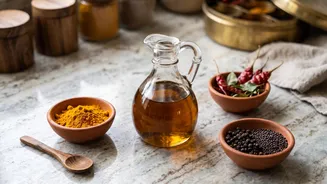
Beyond taste, the shift is strongly fueled by growing health awareness. Many imported condiments are often high in refined sugars, sodium, and artificial preservatives. In contrast, traditionally made Indian pickles are a powerhouse of benefits. The process of fermentation in many achaars creates probiotics, which are beneficial for gut health and digestion. Spices commonly used, like turmeric, fenugreek, and mustard, are rich in antioxidants. As consumers prioritise clean labels and natural ingredients, the choice between a factory-made sauce and a naturally preserved, nutrient-rich pickle becomes clear. This makes heritage pickles not just a condiment, but a functional food that aligns with a wellness-oriented lifestyle.
Fueling Local Economies
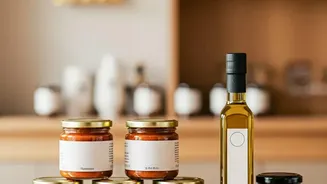
This consumer-led movement has a significant positive impact on local economies. A growing number of artisanal and small-scale brands are emerging, many of them started by home cooks and women entrepreneurs during the pandemic. Brands like 'JhaJi' from Mithila and 'Vatha's' from Malabar are bringing regional, heirloom recipes to a wider audience, often sourcing their ingredients directly from local farmers. This farm-to-jar model not only ensures freshness and quality but also creates a sustainable ecosystem that supports small agricultural communities. By choosing these products, consumers are not just buying a pickle; they are investing in local craftsmanship and preserving culinary biodiversity.
From Side Dish to Gourmet Ingredient
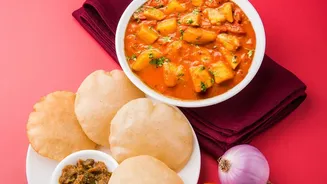
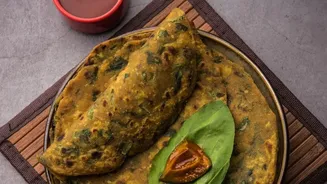
The role of the pickle is also evolving. Once relegated to a simple accompaniment for dal rice or parathas, heritage pickles are now being embraced by chefs as a gourmet ingredient. Their concentrated, complex flavours are being used to finish grilled meats, spice up sauces, or even create innovative savoury cocktails. This culinary creativity showcases the versatility of achaar, elevating it from a humble side dish to a star component that can transform a meal. As chefs and home cooks experiment, they are rediscovering the immense potential locked within these jars of preserved history, proving that the humble pickle is more than ready for its moment in the spotlight.