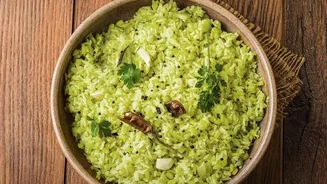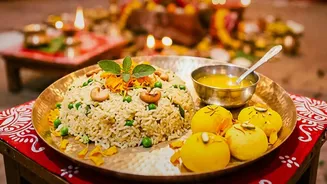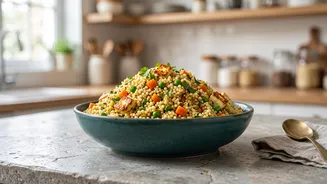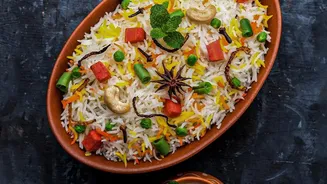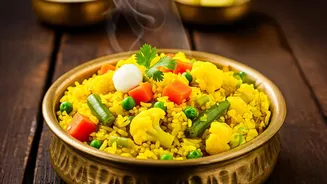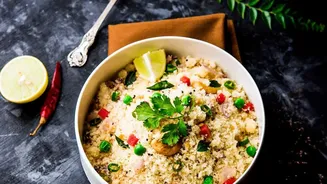


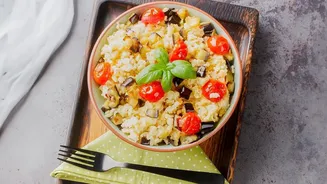
Millet pulao is a wholesome, flavourful alternative to its rice-based cousin, but getting the texture right can be tricky. Too often, the result is either mushy or unpleasantly dry. Here’s how to master the perfect balance for a fluffy pulao.
The Quest for the Perfect Grain
The journey
to a perfect vegetable millet pulao begins with choosing the right hero ingredient. Not all millets are created equal when it comes to a fluffy, grain-separated dish. Foxtail millet is often considered the best choice for pulao because its grains tend to stay separate after cooking, closely mimicking the texture of basmati rice. Little millet and barnyard millet are also excellent options, known for cooking up light and fluffy. Kodo millet can work as well, but it has a slightly coarser texture and may require more attention during cooking to avoid becoming mushy. For beginners, starting with foxtail millet is a reliable way to achieve that desirable pulao texture right from the first attempt.
Prep Work: The Non-Negotiable First Steps
The secret to great texture often lies in the preparation before any heat is applied. First, rinse the millet thoroughly under running water two to three times. This step is crucial for removing any natural husk residue or bitterness. The second, and perhaps most transformative step, is soaking. While some recipes suggest it's optional, soaking millet for at least 30 to 60 minutes makes a world of difference. Soaking helps to soften the grain, which reduces cooking time, improves digestion, and is key to achieving a softer, fluffier final texture. Some cooks even recommend a light toasting of the rinsed and drained millet in a dry pan for a few minutes before adding water, which enhances its naturally nutty aroma and flavour.
Mastering the Millet-to-Water Ratio
This is where many home cooks falter. Using the wrong amount of water is the primary cause of a pulao that is either a sticky porridge or a collection of hard, undercooked grains. For a fluffy, rice-like texture perfect for pulao, the golden rule is a 1:2 ratio of millet to water. That means for every one cup of millet, you should use two cups of water or broth. If you are using a pressure cooker, this ratio remains a reliable starting point. It is important to drain the soaked millet completely before adding the fresh, measured water for cooking to ensure you are not inadvertently adding excess liquid, which can lead to a mushy result.
Vegetables: Retaining the Crunch
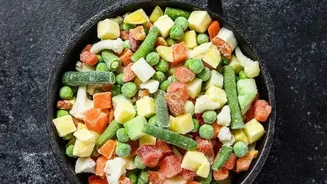
A great pulao is a symphony of textures, where soft grains contrast with vegetables that still have a bit of bite. To achieve this, timing is everything. Start by sautéing your aromatics like onions, ginger, and garlic, along with whole spices, until fragrant. Then, add your harder vegetables, such as carrots and beans, and sauté them for a few minutes before adding the millet. Softer vegetables like peas or bell peppers can be added along with the millet or even a few minutes into the cooking process. Cooking the vegetables this way ensures they are tender but not overcooked, providing a satisfying textural contrast to the fluffy millet grains.
The Final Flourish : Cooking and Resting
Whether you are using a pressure cooker or a stovetop pot , the cooking process should be gentle . If using a pressure cooker , cooking on a low to medium flame for one or two whistles is generally sufficient . On the stovetop , bring the water to a boil , then reduce the heat to low , cover the pot with a tight - fitting lid , and let it simmer for about 15 - 20 minutes , or until all the water is absorbed . Do not stir the millet while it is cooking , as this can break the delicate grains and release starch , making them sticky . Once the heat is off , let the pulao rest , covered and undisturbed , for at least 5 to 10 minutes . This crucial resting period allows the grains to steam and firm up , making them separate easily when you finally fluff them with a fork .